How Many Captives Are in Azerbaijan: Red Cross Details
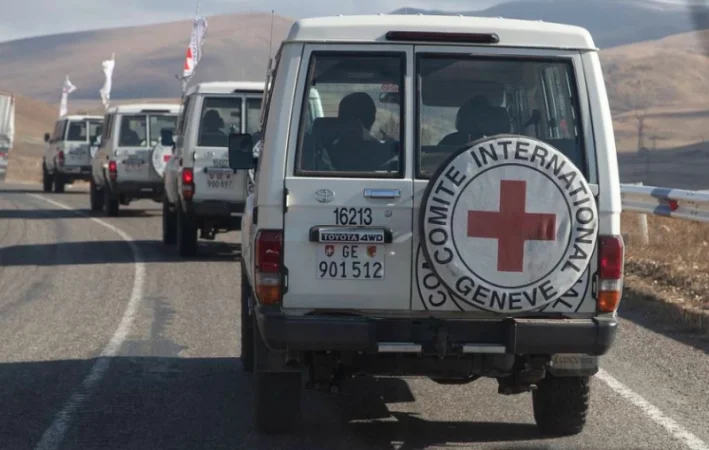
The issue of missing persons as a result of the Artsakh conflict is one of the operational priorities of the International Committee of the Red Cross (ICRC). In response to a question from an Armenpress reporter regarding the work being done by the ICRC in determining the fate of missing persons, Zara Amatuni, head of communication programs for the ICRC delegation in Armenia, stated:
"We have been dealing with this issue in the region concerning the Nagorno-Karabakh conflict for more than 30 years. This means working in various directions. First and foremost, it’s about the legally guaranteed right that pertains not to the obligations of the ICRC but to the authorities of the respective sides providing answers to the families of missing persons regarding what happened to their relatives during military operations. This is a requirement of international humanitarian law. In this regard, we work with the relevant authorities of the parties to remind them of their obligations under the mandate and support them with our technical expertise and certain skills that we have acquired while working in similar situations," Amatuni emphasized.
The second critical direction of the ICRC's work is to provide comprehensive and detailed information about each missing person. "Based on family requests, we have collected data on around 5,000 missing persons through our regional offices who have been considered missing since the escalation of the conflict from the 1990s, and then from 2020 to 2023. About 1,000 of them are Armenians, whose data has been gathered by the ICRC through offices in Yerevan and Artsakh. This also includes individuals whom their relatives consider missing, despite the existence of positive DNA identifications. There are families that do not accept the results for various reasons. This is also a signal for us to work with the relevant authorities, trying to clarify the circumstances under which individuals do not accept those outcomes," Amatuni detailed, emphasizing that the ICRC does not conduct identifications independently.
"We mainly pass on our experience. For example, by closely cooperating with the laboratory of the forensic expert center, our experts in Armenia are trying to raise the capacities through equipment and through certain training and experience exchange to assist in raising the level of professionalism in this field, which in turn will contribute to a sharp reduction in disappearances in any emergency situation," Amatuni explained.
Regarding the process of searching for missing persons, according to Amatuni, the steps and decisions around this are the responsibility of the authorities, which the ICRC, as a neutral intermediary, is ready to support. "In our view, a certain humanitarian environment should be created that would allow the parties to take appropriate steps together, for example, mapping potential burial sites if there is at least some information available regarding the individuals in question. Naturally, we always keep this issue bright and active, discussing it with both the authorities and working with families, but the actual actions and decisions are not in our hands. We are ready to work with the parties as a neutral intermediary," she noted.
Նմանատիպ հոդվածներ

Ավելին Politics բաժնից

Պատրաստվում ենք «հզոր հարված» հասցնել Իրանին. Թրամփ

Հայկական պանրի արտահանումը վտանգի տակ է. Ռուսաստանը սահմանափակումներ է մտցնում
Հայաստանից արտահանումը դեպի Եվրոպա աճել է․ Պապոյան