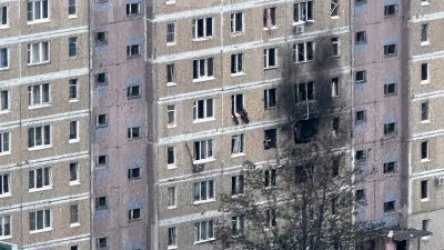
In Which Cases Will Russia Use Nuclear Weapons
Russian President Vladimir Putin has confirmed the country's new nuclear doctrine through a decree, which defines the foundations of Russia's updated state policy in the area of nuclear deterrence, reports kommersant.ru.
The updated doctrine has expanded the list of military threats for which the use of nuclear weapons is permissible to neutralize. It states that nuclear weapons are the last resort for defending the country's sovereignty. However, due to new military threats and risks, Russia must clarify the parameters that allow for their use.
The decree expands the categories of states and military alliances against which nuclear deterrence is implemented. Thus, aggression by any non-nuclear state, but with the participation or support of a nuclear state, will be considered a joint attack on Russia.
A nuclear response is also possible in cases of critical threats to Russia's sovereignty posed by conventional weapons or in the event of an attack on Belarus as a member of the Union State.
Other conditions for the use of nuclear weapons include the adversary's use of nuclear and other weapons of mass destruction in the territories of Russia or its allies, as well as against military formations and facilities located outside its borders.
The updated version of the doctrine for the first time defines the term 'potential enemy': it refers to 'individual states and military coalitions (blocks, alliances) that the Russian Federation considers potential enemies and possess nuclear and/or other types of weapons of mass destruction.'
The decree establishes military dangers for Russia that may translate into military threats, depending on changes in the geopolitical and strategic situation. In this case, nuclear deterrence is carried out to neutralize these threats.
Նմանատիպ հոդվածներ
Ավելին Military բաժնից
Պուտինը` Զելենսկու բաց նամակի մասին
Ադրբեջանի կտրուկ պատասխանն իր տարածքների օգտագործման վերաբերյալ
ԱԹՍ-ով հարված նավերին. ադրբեջանցիներ են զոհվել