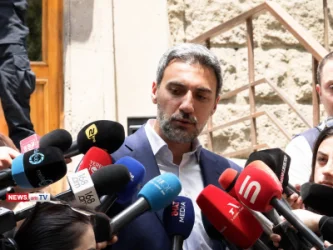
BBC Highlights Pashinyan-Aliyev Negotiations
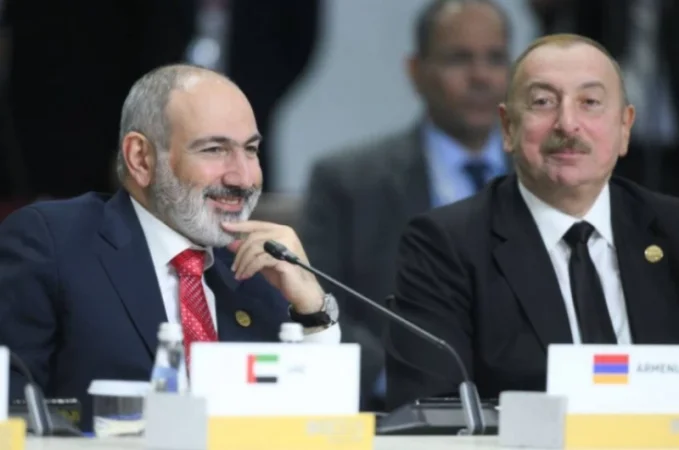
Armenia and Azerbaijan are rapidly preparing for the signing of a peace agreement. Both sides considered the UN Climate Summit (COP29) in Baku as a potential "deadline"; however, the summit started on Monday, and the peace treaty has yet to be signed. This is reported by the BBC, presenting an article titled "How the Governments of Armenia and Azerbaijan Discuss Peace Without the Involvement of Their People."
The source notes that unresolved disputes remain between the two countries, which have been warned about by experts and activists who have tried to find common ground for years. "However, President Ilham Aliyev's administration and Prime Minister Nikol Pashinyan's office are keeping the details of the peace negotiations secret and are not consulting with civil society. In Azerbaijan, activists are arrested for correspondence and meetings with Armenians. In Armenia, peace advocates remain isolated and are a minority, while the government relies on loyal experts," the article states.
It mentions that in August, Azerbaijani law enforcement arrested Bahruz Samadov, a 29-year-old lecturer at Charles University in Prague, due to his contacts with Armenian activists. He has been accused of treason and is now facing life imprisonment. He denies all charges. Samadov has advocated for the reconciliation between the two countries but criticized the Azerbaijani authorities' approach. In an article titled "The War Never Ended, There Has Never Been a Peace Process," he wrote that Baku sought to force Yerevan to accept an "authoritarian peace." He termed this approach as "peace without reconciliation." Shortly after Samadov's arrest, anti-war activist and writer Samad Shikhin and journalist Javad Aghan were also detained, the article states.
The article highlights that, during the 2020 Nagorno-Karabakh war and subsequent escalations, a new generation of Azerbaijani activists began to be more active. They were in close contact with Armenian youth, participating together in podcasts and Instagram Lives, debating and reaching agreements on X (formerly Twitter), discussing seminars, and publishing joint articles in academic journals and media outlets. Several platforms dedicated to dialogue between the two societies have emerged, such as Bright Garden Voices, CaucasusTalks, Imagine Dialogue, etc. All of this has attracted the attention of authorities, not only regarding Bahruz Samadov, but also other activists and independent journalists.
Regarding Armenia, the BBC notes that Prime Minister Nikol Pashinyan initially refused to make compromises on the Nagorno-Karabakh issue, but after the defeat in 2020, he changed course, recognized Artsakh as part of Azerbaijan, and announced a "peace agenda." "Now, he is not demanding the autonomy of the people of Artsakh or even the realization of their right to return to their homes; instead, he wants to swiftly conclude a peace agreement with Baku," writes the BBC.
"For a long time, there was an understanding between the conflicting parties that leaders should reach an agreement, and then NGOs would come forward and sell the agreement to the public," said Lawrence Broers, a researcher at London’s Chatham House and author of a book on the Armenian-Azerbaijani conflict. According to him, the peace process has always been opaque, as have the negotiations conducted by the countries with the mediation of Russia, the USA, and France. Broers stated that after the 2020 war, there was a possibility for discussion in society, but it has since faded away again following the recent arrests in Azerbaijan. He labeled the current developments as a "forced peace process that serves the interests of the elites, not the entire society."
“Any agreements arising from this process will be superficial and brittle, rather than part of a broader transformation of Armenian-Azerbaijani relations,” the expert said. The BBC notes that the prospects for peace also seem tenuous against the backdrop of Donald Trump's victory in the upcoming U.S. presidential elections, as the Republican has promised to focus on domestic issues. The source reminds that the second Nagorno-Karabakh war took place during Trump's first presidency, and the United States stayed away from the conflict at that time. The ceasefire agreement was reached through Russian President Vladimir Putin, accompanied by the deployment of Russian peacekeepers in Artsakh.
Meanwhile, the Biden administration, despite the war in Ukraine, has been trying to engage more actively in the diplomatic process between Armenia and Azerbaijan. Secretary of State Antony Blinken organized meetings between the foreign ministers of both countries to discuss the peace treaty.
Նմանատիպ հոդվածներ
Operations Conducted at the Central District Municipality, Arrests Made
Such a Demand Will Lead to a Deadlock in the Armenia-Azerbaijan Peace Process, Says Pashinyan
«Citizens Who Have the Image of Mount Ararat in Their Homes Will Face Problems»: Rustamyan
Specialists from Azerbaijan and Armenia Collaborate, Says U.S. Ambassador
Ավելին Politics բաժնից
ԱՄՆ-ն միակ երկիրն է, որը կարող է ավարտել Ուկրաինայի պատերազմը. Ռուբիոն
Նարեկ Կարապետյանը զրկվել է անձեռնմխելիությունից
Ինձ վարույթից հեռացրին, որովհետև խանգարում էի բացահայտել ապօրինությունները. Երեմ Սարգսյան