Transporters Express Discontent: The Issue is Actually More Profound

The "Past" newspaper reports that recently transporters organized a protest. They claimed there are attempts to clear the Armenian market of locals by making room for foreigners, thus creating a monopoly for larger companies.
Experts, however, believe that the problem is actually much deeper. Specifically, there are experts who assert that there are no issues with bringing goods from Russia to Armenia, as no seller leaving Russia comes back empty. The core issue lies in the lack of a sufficient quantity of exported goods. It is noted that the market is quite large.
Babken Pipoyan, the president of the Public Organization "Informed and Protected Consumer," insists that a thorough study is essential before making any diagnosis. “In many cases in our country, we think about prescribing treatment before fully diagnosing the problem. However, if the problem is diagnosed incorrectly, the treatments will also be incorrect. The transport sector is unregulated; this is a global issue that needs regulation. To implement proper regulations, additional research is necessary, which unfortunately is currently lacking,” he told "Past".
He particularly highlights one of the existing issues in the sector: the presence of Turkish trucks that, after exporting Turkish goods to Russia, transport cargo back to Armenia from Russia. “Turkish trucks are a factor here. The emotional background related to Armenian-Turkish relations has always been and will continue to be high. No Armenian truck is currently entering Turkey, while Turkish ones are coming into Armenia. It’s natural for dissatisfaction to arise. They are many, their market is large, and as a result, their costs are lower. Some measures need to be implemented to make Armenian trucks competitive with the Turkish ones. At first glance, the simplest solution might be for Turkish trucks to pay more at the border when entering Armenia than they do today. This way, they would understand that entering Armenia isn’t as economically advantageous as it used to be, giving our trucks a corresponding advantage. But can we set this only for Turkey? No, we cannot,” our interviewee notes.
He emphasizes that it turns out we formulated the problem globally, but we need to diagnose it item by item and try to find profound solutions for each one to ensure that the interventions made are effective. “Otherwise, we will diagnose that we have a problem, give it an apparent solution, but it will remain unresolved,” he adds.
According to him, transporters could also raise the issue that today anyone can provide logistics services. “We can view this as a problem, but the Ministry of Economy might argue, is it wrong that we liberalized the market? It’s not bad, but supply and demand work well if the rules of the game are in place. If there are no established rules, it turns from a free market into a wild one. They can voice the problem of the larger companies. It’s clear that they are doing business a bit better; it’s not that they burst into flames, while smaller ones are doing poorly in that business. In-depth studies are needed, not baseless accusations that the larger ones are suffocating and not letting others work. If a large company has no other privileges, it should not be pressured. If it does, then we need to understand what we are doing to ensure that those privileges are fairly distributed,” says the NGO president.
The media and various circles especially highlight the name of the company "Spayka" among the larger ones. However, sector experts note that it, as an agricultural holding, exclusively exports its own products. Pipoyan responds, “I do not want to comment on a specific company because there is a need for a profound study. Today, they talked about trucks; they mentioned "Spayka," which has many trucks. Tomorrow, when they touch on logistics, they will talk about another company. Without research, we shouldn’t try to say anything good or bad. At least at this stage, there’s no need to justify or accuse anyone.”
At the end of the interview, we return to the initial thought: regulations are necessary. “In our country, not only the actions of the executive need regulation, but also the actions of the people fighting against the problems in those sectors. In the case of the question we raised, the people providing those services understand very well what different problems they have, but one says, ‘Let’s speak in a way that the government doesn’t get upset,’ the other says, ‘Let them understand that our problem needs to be resolved,’ and the next one says, ‘Let’s first raise the issue of Turkish trucks,’ and so on. And because their actions are not regulated, thirty people are singing thirty-two different songs,” Babken Pipoyan concludes.
Նմանատիպ հոդվածներ
Armenia in Talks with India to Upgrade Su-30SM Fighters
Direct Flight Launched Between Armenia and China for the First Time
Terrorists Will Be Punished Right in Germany, We Will Show No Mercy: Olaf Scholz
Belarusian President Lukashenko Blames Armenia's Leadership for Recent Events in Nagorno-Karabakh
Ավելին Politics բաժնից
Երեք թեկնածու՝ ԱԺ նախագահի պաշտոնի համար. «Հրապարակ»
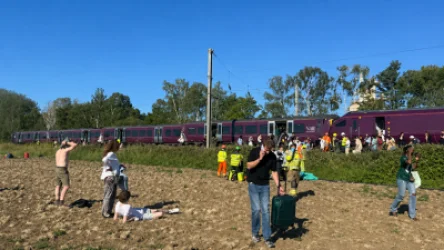
Հզոր բախում Բեդֆորդի մերձակայքում․ տասնյակ վիրավորներ կան և մեկ զոհ
Ընդդիմությունը մանդատների հարցով որոշում ունի. «Հրապարակ»