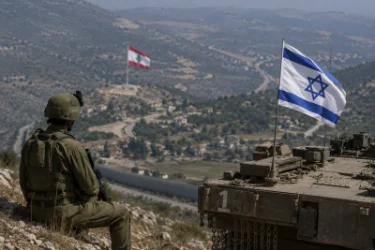
Vatican Launches Investigation Following Publication of Articles on Artsakh's Churches

The Vatican administration has initiated an investigation following the publication of two articles about the "old Albanian" churches of Artsakh in its official newspaper, according to an Italian blogger. The articles were published in L'Osservatore Romano at the end of July, discussing Dadivank (also known as Khutavank) and Gandzasar without mentioning their affiliation with Armenian culture. Moreover, the articles referred to them using their Azerbaijani names. Over the last four years, there has been no mention of the numerous incidents of destruction of Armenian churches and khachkars in Nagorno-Karabakh.
Additionally, the region was referred to not by its internationally recognized name (Karabakh), but as "Garabagh." This was particularly unexpected considering that earlier Pope Francis I had made several appeals to alleviate the plight of Armenians in Nagorno-Karabakh, both during the blockade by Azerbaijan and following forced displacements.
However, the story did not end there; it merely began. A week later, on August 1, L'Osservatore Romano published a response article from His Eminence Archbishop Khajag Parsamyan, the official representative of the Mother See of Holy Etchmiadzin at the Vatican. He pointed out that the articles published on July 24 distorted the history of both the Armenian and Albanian churches.
This was followed by a statement from Vatican Delegate Claudio Gugerotti regarding relations with Eastern Churches, emphasizing that the articles on "the ancient temples of Albania" do not reflect the official position of the Vatican. Subsequently, an internal investigation was launched to determine the circumstances under which these articles appeared in the press. The newspaper has since moved the articles to a paid subscription section, seemingly to limit their distribution.
A significant role in drawing public attention to this issue, both in Italy and Armenia, was played by journalist Carlo Copolan, who published relevant articles in both Italian and English.
Նմանատիպ հոդվածներ
Lavrov: There is Prime Minister Pashinyan's Signature on the Opening of Communications in the Region
EU Calls on Baku to Sign Peace Agreement with Armenia, Reports Say
Arush Arushanyan is barred from serving as the mayor of Goris by court ruling
The Chargé d'Affaires of Armenia Summoned to the Belarusian Ministry of Foreign Affairs: Reason Revealed
Ավելին Politics բաժնից
Խարկովում հարվածներից հետո հրդեհ է բռնկվել

Հակամարտությունը վնասել է Թրամփի վարկանիշին․ CNN
«Մերցը պետք է հեռանա». Գերմանիայում բողոքի ակցիա է անցկացվել