Most Powerful X-Class Eruption on the Sun
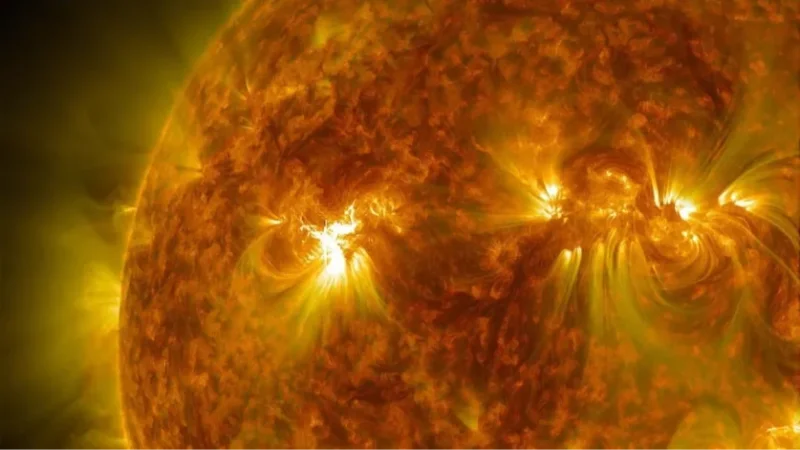
In recent weeks, the Sun had not been particularly active, but that period has come to an end. The star has experienced yet another extremely powerful X-class eruption. This event was monitored by the Solar Dynamics Observatory spacecraft, according to Space.
The NASA spacecraft captured the occurrence of a very powerful X1.27 class flare on the Sun. The explosion on the star happened on July 14. This eruption, which originated from solar AR3738, was not accompanied by a coronal mass ejection, which is the expulsion of plasma into space, and it did not last long.
Therefore, according to solar physicist Keith Strong, the recent intense blast on the star is unlikely to lead to bright auroras or severe geomagnetic storms on Earth. Such events can occur if plasma escapes from the Sun’s surface and reaches Earth a few days after the eruption. This means a geomagnetic storm could potentially arise on July 16 or 17.
At the same time, it has been reported that the brief powerful flare on the Sun caused a disruption in shortwave radio communications in Australia, Southeast Asia, and Japan. Such outages are common following powerful solar eruptions due to the strong emissions of X-ray and ultraviolet radiation that occur during such explosions.
The radiation from solar flares travels at the speed of light to Earth and, upon arrival, ionizes the upper layers of our planet's atmosphere, meaning it gains electrical charge. This ionization creates a denser medium for high-frequency shortwave radio signals to pass through. When radio waves interact with the electrons in the ionized layers of the atmosphere, they lose energy due to an increase in collisions, which can degrade or completely absorb the radio signals.
Regarding solar flares, they are explosions during which powerful electromagnetic radiation is released. Flares occur when magnetic energy accumulated in the Sun's atmosphere is released. Depending on their intensity, flares are classified into classes, with X-class flares being the most powerful. Next are C-class flares, which are ten times weaker than M-class flares, followed by B-class flares, which are ten times weaker than C-class flares, and finally A-class flares, which are ten times weaker than B-class flares and have no noticeable effects on Earth. Within each class, numbers 1-10 describe the relative strength of the eruption.
Նմանատիպ հոդվածներ
Ավելին Other բաժնից

11:00 Լուրերը մեկ տողով. Ուժեղ քամիները երեկ վնասներ են հասցրել, Իսրայելն արգելում է ազանը

10:00 Լուրերը մեկ տողով. ՍԴ որոշումն այսօր, ռուս-ուկրաինական աղետալի հարվածները շարունակվում են

20:00 Լուրերը մեկ տողով. Հայաստանում սպասվող հորդառատ եղանակ. Ֆրանսիայում շոգից մարդիկ են մահանում