Moscow and Tehran Oppose the Intervention of Extraregional Players
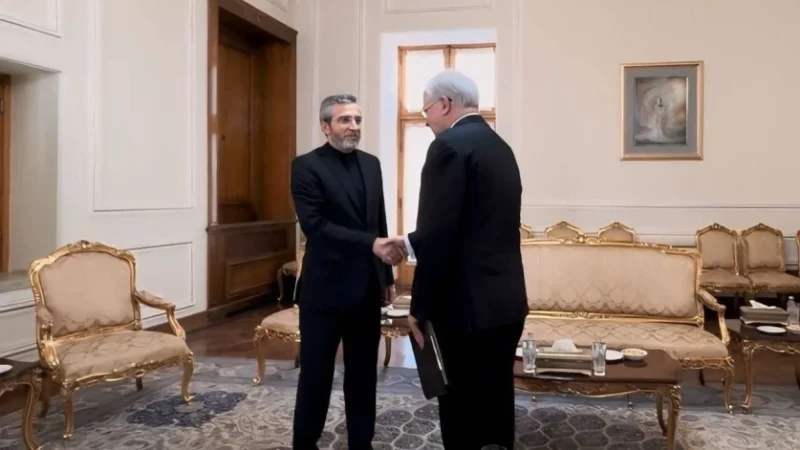
The Acting Foreign Minister of Iran, Ali Bagheri Kani, and the Special Representative of the Russian Foreign Ministry, Igor Khovaev, discussed the situation in the South Caucasus during negotiations held in Tehran, expressing opposition to the intervention of extraregional players in the region's affairs. This was reported by the diplomatic office of the Islamic Republic.
“In my meeting with Russian Foreign Minister's Special Representative Igor Khovaev, I clarified Iran’s stance on regional issues, noting the destabilizing consequences of the presence of certain extraregional players in the Caucasus. To maintain peace and stability in the Caucasus, greater coordination and cooperation is necessary between Iran, Russia, and other regional governments,” the head of Iran's Foreign Ministry wrote on social media.
According to a statement published on the Islamic Republic's Foreign Ministry’s Telegram channel, Bagheri Kani stated that “the increase in external intervention in the affairs of the Caucasus region requires strategic coordination and ongoing consultations between Iranian and Russian officials.” In this context, he emphasized that “it is essential to maximize the potential of regional mechanisms, such as the ‘3+3’ platform (Azerbaijan, Armenia, Georgia, Iran, Russia, and Turkey) to address the challenges facing the region.”
Khovaev underscored the similarity of viewpoints between Moscow and Tehran regarding the issues in the South Caucasus, noting “the necessity for close and ongoing cooperation and coordination between the authorities of the two countries to counter the intervention of extraregional players in the affairs of the South Caucasus.”
The six-party cooperation format for the South Caucasus was initiated at the end of 2020 by the leaders of Azerbaijan and Turkey, Ilham Aliyev and Recep Tayyip Erdogan, and was later named “three plus three.” Russia and Iran welcomed this idea, and Armenia also joined the format. Georgia announced that it would not support the initiative.
Նմանատիպ հոդվածներ
Azerbaijan Prepares for Military Escalation: Calls for Macron to Send Troops to Armenia
Secretary of the Security Council Comments on Publication Regarding Grigoryan's Withdrawal from Ukraine Peace Summit

Armenia Does Not Sign Final Declaration of Conference Dedicated to Ukraine
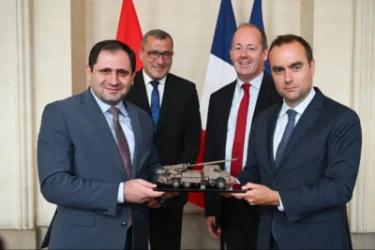
Armenia and France Sign CAESAR Artillery Acquisition Agreement
Ավելին Politics բաժնից
Զելենսկին նշել է՝ ինչ քայլեր է անում Ուկրաինան ԵՄ-ին անդամակցելու համար

Հայաստանը պատրաստվում է ձուկ արտահանել Վրաստան
Արմեն Աշոտյանի տնային կալանքը երկարաձգվել է ևս 1 ամսով. Փաստաբան