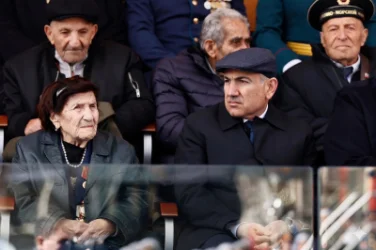
A Group of Diplomats and Former Ombudsman Attempt to Raise Groundless Doubts on Demarcation Issues: Gor Tsarukyan
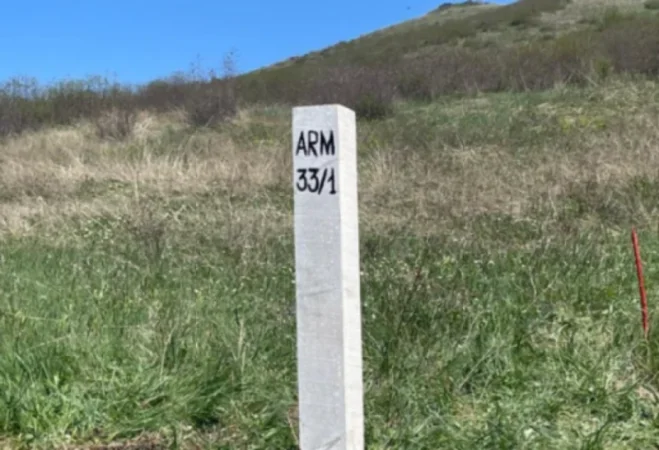
Gor Tsarukyan, the director of the Public Relations and Information Center of the Prime Minister's Office of the Republic of Armenia, considers the statement made by a group of diplomats and the former ombudsman on May 16 to be unfounded. Tsarukyan expressed this view in a post on his Facebook page.
"The statements made yesterday by a group known as the 'Union of Armenian Diplomats' and the former ombudsman contain certain arguments that are unfounded and manipulative, and clearly aim to raise baseless doubts regarding the legitimacy of the demarcation and border delineation processes in public perception. It is necessary to clarify several apparent misconceptions and manipulations present in those statements.
"Some diplomats presenting themselves as members of the 'Pan-Armenian Council of Diplomats' claimed that the Alma-Ata Declaration cannot serve as a basis for demarcation and boundary delineation since it does not include any cartographic description. It is logical that an international multilateral declaration would not directly contain the cartographic description for the demarcation of Tavush villages. Instead, the Alma-Ata Declaration establishes the principles for determining state borders, which the parties accepted as a basis for the demarcation process. Armenia and Azerbaijan recognized each other’s territorial integrity and sovereignty based on the 1991 Alma-Ata Declaration, which transformed the borders of the former Soviet republics into state borders. It seems such a clear and legal connection should be obvious to the diplomats.
"Several diplomats from the 'Pan-Armenian Council' made another false claim. According to them, the 'only legal basis' for demarcation is the memorandum approved by the deputy heads of the councils of ministers of the Armenian SSR and the Azerbaijan SSR in 1988. However, it should be noted that the aforementioned memorandum references decisions made by the presidencies of Armenia and Azerbaijan from 1969, which was the basis for the ongoing demarcation. In other words, the basis for the documents indicated by the diplomats and the current demarcation is the same border line.
"It should also be noted that the subsequent steps of the process provided for by the 1988 memorandum have not been implemented; a corresponding map has not been drawn up, and the documents have not been submitted for approval to the presidencies. As a result, the process outlined in the memorandum has remained unfinished and has not acquired legal force. In this context, what 230 hectares of territory are the diplomats complaining about if they are unaware that the documents they mentioned are based on the same maps taken as the basis for delineation and that the cited documents have no legal force? Or perhaps by circulating this false narrative about the 'only legal basis,' some diplomats from the 'Pan-Armenian Council' are simply trying to mislead the public by casting doubt on the legitimacy of the ongoing demarcation work?
Regarding the legal bases for the activities of the Commission on Demarcation and Border Security, which was raised by the former ombudsman, it is important to understand that the commission's function is to reproduce the existing boundary upon which an international treaty on the State Border should be signed, rather than drawing a new border.
The establishment of commissions on demarcation issues between Armenia and Azerbaijan was agreed upon by the parties in 2021 in Sochi, which was reflected in the adopted trilateral statement, and was also reaffirmed in Brussels in 2022. Based on these agreements, a commission led by the Deputy Prime Minister was established by the Prime Minister's decree No. 570-A in 2022. According to the agreement between the Armenian and Azerbaijani commissions, they will be guided in the demarcation process by the 1991 Alma-Ata Declaration, and the agreement on separate segments of the border will take place based on the topographic maps from 1976 with legal backing from the USSR General Staff. In other words, the activities of the commissions are based on international treaties that have been accepted by both countries and have undergone proper domestic procedures, as well as agreements reached between the two countries.
Therefore, the former ombudsman's assertion that the commission lacks the function and authority for demarcation is a misconception and has a manipulative intent, as the commission is not drawing a new border but reproducing the existing one.
The discrepancies pointed out by the former ombudsman between the property titles belonging to village residents and the demarcations are due to the fact that meticulous delimitation work has never been carried out in that area between Armenia and Azerbaijan. Until now, the demarcated, i.e., physically identified borders lacked the necessary precision and detail for villages and their residents to know the exact boundaries of their lands; therefore, their property titles in some cases have not matched the existing interstate boundary. This is the reason why property titles for some residents of Kiran do not correspond to the results of the ongoing precise and detailed demarcation. Such clarifications are inevitable, and it should be noted that similarly, some houses in Azerbaijani villages fall within the territory of Armenia. Such discrepancies represent only a few cases, and the government has committed to compensate all damages incurred by citizens.
Therefore, generating public sentiments against the demarcation process based on these unique cases is also an unjust approach. The demarcation process carried out in Tavush poses certain challenges and complications for residents of Armenia and particularly those of the border villages of Tavush. However, the false and murky noise raised around this process by certain circles positioning themselves as experts is nothing more than an intentional attempt to damage the demarcation process, the local populace, and Armenia as a whole."
Նմանատիպ հոդվածներ
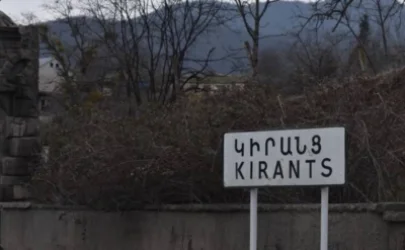
Two Residential Houses from Kiran in Azerbaijan, 25 Houses from Azerbaijani Villages in Armenia. Radar Armenia
Police Infiltrate School as Principal is Dismissed for Supporting the Bishop, MediaHub Reports

VIDEO: Has the Question of the Prime Minister's Resignation Been Discussed in the Party? A Question to the MP of the Civil Contract

Residents of Tavush Border Villages Awaiting a Negative Event Amid Uncertainty
Ավելին Politics բաժնից
Քոչարյանը` գեներալի արտաշիրիմման և Հոկտեմբերի 27-ի գործի բացահայտման մասին
«Միջին միջանցքի» զարգացմամբ և «Զանգեզուրի միջանցքի» բացմամբ կլինի ավելի մեծ անվտանգություն. Թուրքիայի փոխնախագահ

Կա՛մ խաղաղություն, կա՛մ ռմբակոծություն. Թրամփ