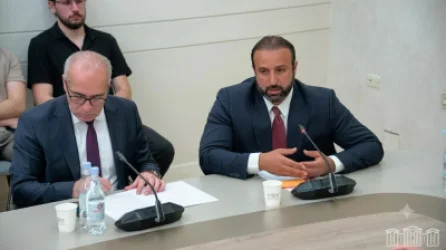
Tatoyan Presents Mandatory Rights of a Deprived Person

Former Human Rights Defender Arman Tatoyan has provided several important legal clarifications regarding the rights of participants in gatherings during these days.
“A person deprived of freedom has at least the following mandatory rights:
- To be promptly informed in clear language of the reasons for their detention at the place of detainment (including on the street),
- The right to remain silent,
- To have someone they selected immediately notified of their whereabouts,
- The right to an attorney,
- To undergo a medical examination, including by their preferred doctor at their own expense,
- To be informed about their rights.”
A person is considered deprived of freedom from the moment they are required to follow the will of a police officer or are unable to move freely by their own will, starting from the street. The time of deprivation of freedom is counted not from their transfer to the police station, but from the moment they are restrained on the street. Immediately after this time has elapsed, the person must be released.
A person detained from a gathering or any other location, regardless of whether they have been taken to a police station in the context of an administrative or criminal proceeding, enjoys the rights designed for those deprived of freedom.
Police officers must be in uniform, and their uniforms should clearly display identifiable information, including at least their name and surname. Moreover, there should be a way for citizens to recognize or identify the police officer approaching them or detaining them.
This is an international rule aimed at preventing the possible illegal deprivation of freedom or unlawful prosecution, disproportionate use of force, and mistreatment.
Among the police officers ensuring public order and the safety of participants at gatherings or other civil actions, there should be no officers in masks or in civilian clothing. Exceptions should be limited to specific justifications with the possibility of police officers being identifiable.
Police officers serving in public spaces should not engage in “boyish” conversations or “sorting things out” with the organizers or participants of gatherings under any circumstances. They must operate strictly within their legal status.
If citizens observe others attempting to provoke violence or if violence is already occurring, they should immediately inform the police to prevent it through legal procedures or to isolate those individuals.
Another important clarification is that a police vehicle is also a place of deprivation of freedom, and therefore all rules also apply to a police vehicle.
All these rules are also applicable to any law enforcement officer. There are, of course, many other rules, but these are among the most relevant,” he noted.
Նմանատիպ հոդվածներ
Ավելին Society բաժնից

6 օր փլատակներում․ Վենեսուելայում փորձում են փրկել ողջ մնացած տղամարդուն

Հայաստանը խստացնում է ձկան արտահանման կանոնները դեպի ԵՄ
ՏԵՍԱՆՅՈՒԹ. Խնդրել եմ, ասել եմ՝ մեռնեմ ջանիդ, նախարար ջան, շտաբի պետ ջան. Հայկ Սարգսյան