Lemkin Institute Calls on Pashinyan to Reconsider His Statements
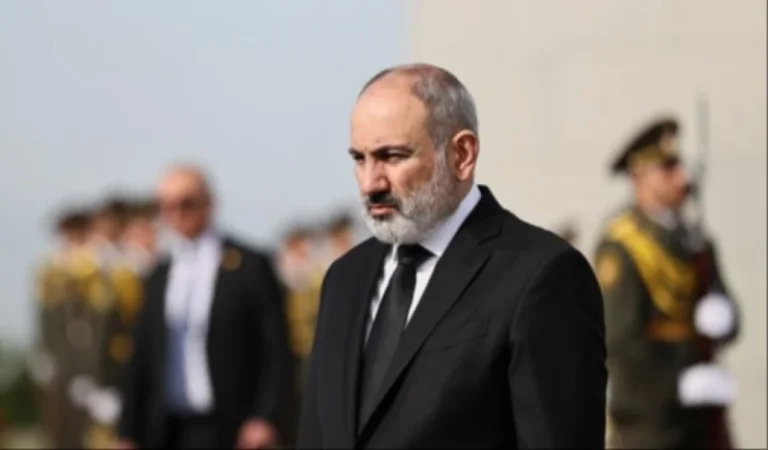
The Lemkin Institute of Genocide Prevention expresses confusion and concern regarding the statements made by Prime Minister Nikol Pashinyan and his colleagues in the ruling Civil Contract party on April 24, 2024, the day of commemoration of the victims of the Armenian Genocide. This was mentioned in a statement from the Lemkin Institute.
“On April 24, the day of remembrance for the victims of the Armenian Genocide, the Prime Minister of Armenia issued an official commemoration statement that apparently criticizes the victims of genocide, aiming to cast doubt on the responsibility of Turkey and Azerbaijan for the genocide,” the statement reads.
The institute emphasizes that Pashinyan's apparent agreement with key points of Turkish and Azerbaijani narratives, as well as his clear acceptance of those countries’ claims that Armenia is an obstacle to peace in the South Caucasus, has sparked firm debates within Armenian society. Perhaps the most striking aspect of Pashinyan’s statements about the genocide is the lack of any mention of the aggressors.
“Pashinyan stated that ‘...the stateless Armenian people lost their statehood centuries ago and, in fact, becoming a victim of geopolitical machinations and false promises, forgot their traditions of statehood.’ He then ignores the decades-long and multifaceted historical oppression faced by Armenians in the Ottoman Empire,” the statement continues.
According to the institute, instead of blaming the leaders of the Ottoman Empire for genocide during World War I, Pashinyan redirects attention to Armenians, specifically highlighting their apparent inability to perceive the politics of the time. He seemingly refers to the actions of the Russian Empire and Western powers during that period, who promised to protect the Armenians but failed to fulfill their promises, exacerbating situations further.
“Pashinyan’s theses resonate with the official Turkish stance on Armenian Genocide, which justifies it. By reiterating Turkey’s narrative of the events of 1915-1923, the Prime Minister of Armenia essentially absolves Turkey of responsibility for the Armenian Genocide, undermining all previous efforts aimed at recognition,” the statement asserts.
Pashinyan's words directly echo the Turkish official view of the Armenian people as rebellious ‘traitors’ who colluded with hostile European powers leading to the collapse of the Ottoman Empire. Pashinyan appears to suggest that Armenians can avoid future genocides only by capitulating to Turkey’s current aggressive plans.
Simultaneously, it is emphasized that Pashinyan is responsible for any statements that deny or diminish the Armenian Genocide, as they not only jeopardize the arduous efforts for recognition but also set a dangerous precedent for concealing such atrocities. Refusing to confront historical truths only encourages those who seek to erase or distort history for their purposes.
“It is Azerbaijan and Turkey that threaten peace and security in the South Caucasus, promoting genocidal anti-Armenian sentiment around the world,” the statement concludes. The Lemkin Institute calls on Pashinyan to reconsider his statements and reaffirm Armenia's commitment to restoring justice regarding the Armenian Genocide.
Նմանատիպ հոդվածներ


Ավելին Politics բաժնից
Փեզեշքիանը շնորհավորել է Փաշինյանին․ Հայաստանի ժողովուրդը վերահաստատել է վստահությունը
Հայ-թուրքական սահմանի բացումը շարունակում է մնալ անորոշ

Թրամփը սպառնացել է Նեթանյահուին միայնակ թողնել