What is the State of Armenian-Azerbaijani Relations Following Developments Around Artsakh? Mirzoyan's Interview with Al-Jazeera
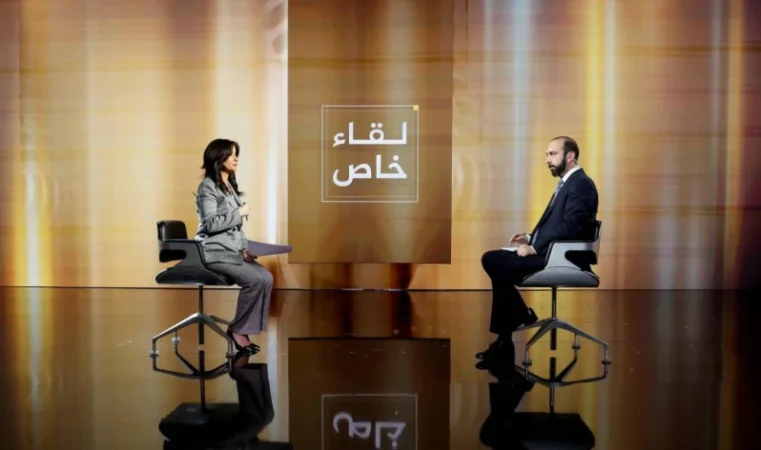
From April 28-29, during an official visit to the State of Qatar, Armenian Foreign Minister Ararat Mirzoyan gave an interview to the leading pan-Arab media outlet Al-Jazeera, which has an audience of around half a million.
In the interview, the focus was on Armenia's vision for achieving lasting peace in the region, the process of normalizing relations with Azerbaijan, the government's formulated "Peace Crossroads", the situation around Gaza, and Armenia's stance on conflict resolution, as well as questions related to Armenia's relations with Russia, the EU, and the USA.
Question: Let's address the relations with Azerbaijan directly. What is their current state after the developments around Nagorno-Karabakh?
Answer: You know that we have started a peace process with the Azerbaijani side, and the Armenian side truly believes that there is a real opportunity to establish lasting peace based on specific principles, for example, the recognition of territorial integrity. The Prime Minister of Armenia and the President of Azerbaijan have publicly confirmed, and we have reiterated several times that the mutual recognition of territorial integrity between the countries should take place, and the subsequent delimitation process should occur based on the 1991 Alma-Ata Declaration. This is a document signed by eleven Socialist Republics of the former Soviet Union in 1991, and in this document, those republics set forth that the former administrative boundaries between the Socialist Republics are now recognized as internationally recognized borders between independent states.
Essentially, we have a border based on mutual recognition of territorial integrity and delimitation grounded in the Alma-Ata Declaration. This means that the borders that existed in 1991 should be reproduced at present. Recently, the leaders of the committees dealing with delimitation—the deputy prime ministers of both countries—reached an agreement that delimitation should occur based on the Alma-Ata Declaration, and the regulations regarding the joint activities of the delimitation commissions should also refer to the Alma-Ata Declaration. This is one of the principles, and if we succeed in referencing the Alma-Ata Declaration as the political basis for delimitation and as the political basis for mutual recognition of territorial integrity in the draft peace treaty we are currently negotiating, then we can say that we are very close to a final resolution.
Նմանատիպ հոդվածներ
Who was the person sitting in the unregistered vehicle in Kiran? Civilnet
Information from the Investigative Committee Regarding Violence and Threats Against Soldiers in Kiran
Սահմանի նոր նկարագրություն է արվում՝ իրավաբանորեն ուժ ունեցող քարտեզի հիման վրա. Արսեն Թորոսյան

We Are Ready to Unblock All Transport Infrastructures with Azerbaijan and Turkey: Mirzoyan
Ավելին Politics բաժնից

Ամերիկյան բանկի աշխատակցուհին անջատել է Հռոմի Պապի հեռախոսազանգը

«Արդարացի պատասխան» կտրվի Ռուսաստանին. Զելենսկի

Իրանը վաղ թե ուշ ստիպված կլինի համաձայնության գալ. Թրամփ