New Border Description Being Created Based on Legally Binding Map, Says Arsen Torosyan
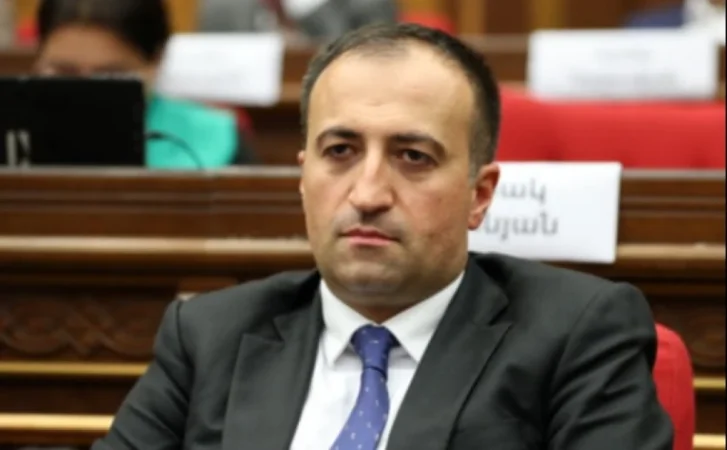
“A new description of the border is being created based on a legally binding map,” said Arsen Torosyan, a member of the ruling Civil Contract faction, in an interview with Azatutyun, responding to questions about whether the parties are signing any documents when placing pillars and delineating the border.
“The space between the pillars is also described by a document indicating where the border runs,” Torosyan stated. When asked about the document, he replied, “The two commissions are describing it. There will also be a ratification of the regulations of the Border Delimitation Commissions. It could be an intergovernmental agreement with ratification or a separate law. I assume our lawyers are working on that.”
When asked if there should be a document stating where the pillar is installed, he responded, “There is already one, it’s the intergovernmental agreement from Alma-Ata, stating that the two states recognize each other. Now, we are just formalizing that recognition on the ground… because we are not drawing a new border. Drawing a new border calls for a different legal procedure, but this is merely formalizing the existence of the border between the two countries on the ground.”
Regarding whether the parties are signing anything during this process to confirm that the border goes through a specific point, the MP replied, “I suppose that signatures will be placed under that description, but I cannot say what the procedure will be or who will sign them. You know why the previous descriptions are no longer valid over time. Those descriptions often specify that the border runs along the bank of a river, next to an orchard, or near a tree, but those places no longer exist. Therefore, a new description is being drawn up, which I believe somehow should be formalized. This means a new description is being created based on the existing legally binding map.”
The border delimitation commissions of Armenia and Azerbaijan announced on April 19 that “the description of the border segments will be formalized through a relevant Memorandum-description, which should be agreed upon and signed between the Parties by May 15, 2024.” In turn, the Ministry of Justice clarified that the already installed border pillars will serve as a reference for compiling that Memorandum-description and will be submitted for approval to the delimitation commissions. They argue that the process of pillar installation does not contradict the later approval of the Memorandum-description by May 15.
The government MP disagrees that this entire process is being conducted in a rushed manner. “Why should we hesitate if it is necessary for us?” Torosyan retorted. “The locations of the pillars are known, and then the area between the pillars can also be described, for example, these specific individuals can sit down and work on it. Why should we artificially slow down?”
Despite the ongoing protests and concerns expressed by the residents of Tavush, the delimitation process continues. Prime Minister Pashinyan emphasized in a phone call with U.S. Secretary of State Antony Blinken the day before that the concerns of the residents of the villages of Voskepar, Kiranth, and Berkaberd in the Tavush region are understandable and legitimate, and everything will be done to address them.
Were the protests in Tavush discussed during the Blinken-Pashinyan phone call? Neither official communication from Yerevan nor Washington offers details. However, ruling Civil Contract MP Arsen Torosyan insists that the government is not waiting for discussions with officials from other countries to address concerns related to the delimitation process. “Blinken is not the one who needs to tell us, nor are we the ones who need to tell Blinken that we will solve these issues; we have already stated this in advance,” noted Torosyan, emphasizing, “We will address the border-fixing issues through possible means after establishing our borders.”
How correct is it to resolve issues after the delimitation process? In response to a question from Azatutyun about whether, for instance, if an Azerbaijani stands at the Kirants bridge, how will the bridge issue be resolved, Torosyan replied, “I did not choose to have an Azerbaijani as my neighbor, nor did the residents of Kirants or Baghanis choose to have an Azerbaijani neighbor; therefore, yes, an Azerbaijani should stand after the delimitation process. The delimitation itself is a component of security guarantee; if a state has a defined border, it provides a higher level of security than a contact line where two armed forces are closely monitoring each other waiting for someone to make the first move. It is evident that this is a measure to enhance our security, not to diminish it, even if the Azerbaijani border guard comes closer.”
Despite the commencement of the delimitation process on April 19, the parties have not yet disclosed which historical maps are being used to delineate the borders of Armenia and Azerbaijan and place border pillars. The Ministry of Justice announced today that the delimitation in the areas of four villages is preliminary, while the finalized document should become the international agreement on the State Border to be concluded between Armenia and Azerbaijan, ratified by the National Assembly.
Նմանատիպ հոդվածներ
Who was the person sitting in the unregistered vehicle in Kiran? Civilnet
Nikol Pashinyan to Meet with Residents of Kiran Today in Yerevan
Information from the Investigative Committee Regarding Violence and Threats Against Soldiers in Kiran

Where Will the Foreign Ministers of Armenia and Azerbaijan Meet?
Ավելին Politics բաժնից

Ռուբիոն և Լավրովը 10 ամիս անց կրկին կհանդիպեն
Իսրայելը պատրաստվում է Թուրքիայի հետ բախման. քննարկում են նոր ռազմական ինքնաթիռների ձեռքբերում

Ուկրաինան նոր անօդաչուներ է մշակում՝ ռեակտիվ «Շահեդների» դեմ պայքարելու համար