Today Marks the 109th Anniversary of the Armenian Genocide
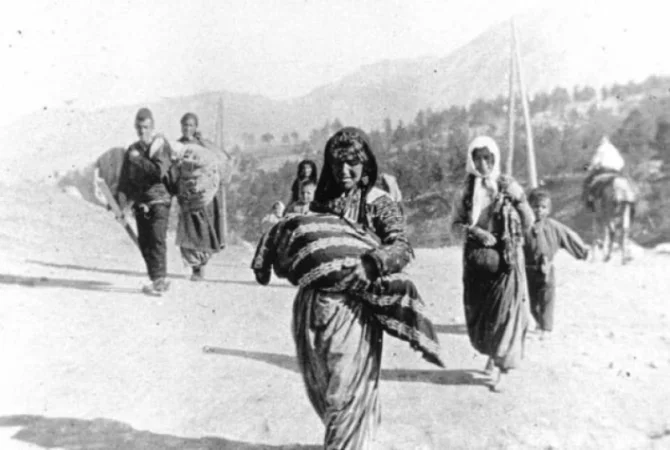
The Armenian Genocide, perpetrated by the Ottoman Empire in 1915, was one of the greatest atrocities of the early 20th century. Armenians worldwide commemorate the 109th anniversary of this tragic event.
The massacres of the Armenian population during the First World War in the Ottoman Empire are referred to as the Armenian Genocide. These massacres were carried out by the Young Turk government across various regions of the empire. The first international response to these events was the joint statement issued by France, Russia, and Great Britain on May 24, 1915, describing the violence against the Armenian people as a 'crime against humanity and civilization.' The parties held the Turkish government responsible for the atrocities.
During the First World War, the Young Turk government adopted a policy of Pan-Turkism aimed at preserving the remnants of the Ottoman Empire. According to this policy, a greater Turkish Empire was to be established, extending its borders to China and encompassing all Turkic-speaking peoples in the Caucasus and Central Asia. The realization of this program necessitated the Turkification of all national minorities along the way. Armenians were regarded as the primary obstacle to the implementation of this Turkish project.
Before the outbreak of the First World War, there were over 2 million Armenians living in the Ottoman Empire. Between 1915 and 1923, approximately 1.5 million Armenians fell victim to Turkish massacres, while those who survived were either forcibly converted to Islam or sought refuge in various countries around the world.
The term 'genocide' was introduced by Polish-Jewish lawyer and professor Raphael Lemkin in 1944. Lemkin's family fell victim to the Jewish Holocaust, and he sought to describe and define the systematic policies of murder and violence enacted by the Nazis, including the atrocities committed against Armenians in the Ottoman Empire in 1915.
Genocide is characterized as the organized extermination of any group of people with the intent to end their collective existence. Consequently, the execution of genocide requires centralized planning and internal mechanisms for implementation, which makes genocide a state crime, as only the state possesses all the resources necessary to carry out such a policy.
The first phase of the Armenian Genocide began on April 24, 1915, with the arrests of hundreds of Armenian intellectuals, leading to the annihilation of the Armenian population. Subsequently, Armenians abroad adopted April 24 as a day of remembrance for the victims of the Armenian Genocide.
The second phase of the genocide involved conscripting around 60,000 Armenian men into the Turkish army, many of whom were later disarmed and killed by their Turkish comrades. The third phase was marked by the slaughter and displacement of women, children, and the elderly into the Syrian desert. During the deportations, countless individuals were killed by Turkish soldiers, police, and Kurdish and Chechen bandits. Many succumbed to starvation and epidemic diseases, while thousands of women and children were subjected to violence. Tens of thousands of Armenians were forcibly Islamized.
The final phase of the genocide is characterized by mass deportations and the absolute denial of the mass exterminations carried out against the Armenian nation by the Turkish government in its own homeland. Despite the ongoing process of international recognition of the Armenian Genocide, Turkey persistently fights against such recognition, employing historical distortions, various propaganda means, lobbying efforts, and more.
On December 9, 1948, the United Nations adopted the 'Convention on the Prevention and Punishment of the Crime of Genocide,' which defines genocide as an international crime and obliges signatory states to prevent and punish those who commit genocide.
Recognition of the Armenian Genocide has been substantiated, acknowledged, and affirmed through eyewitness testimonies, laws, resolutions, and decisions by numerous states and reputable international organizations. The documentation of the systematic and premeditated acts leading to the mass extermination of Armenians in the Ottoman Empire between 1915 and 1923 is extensive.
Below is a summary list of states, organizations, provincial and self-governing bodies, and city councils that have recognized the Armenian Genocide:
- Statement recognizing the Armenian Genocide by the Senate of Mexico - February 8, 2023
- Resolution recognizing and condemning the Armenian Genocide by the Parliament of Latvia - May 6, 2021
- Decision of the People's Assembly of the Syrian Arab Republic recognizing and condemning the Armenian Genocide carried out by the Ottoman State - February 13, 2020
- Resolution recognizing and condemning the Armenian Genocide by the U.S. Senate - December 12, 2019
- Resolution affirming the U.S. position on the Armenian Genocide by the U.S. House of Representatives - October 30, 2019
- Declaration by the Assembly of the Republic (of Portugal) regarding the Armenian Genocide - April 26, 2019
- Initiative by the Chamber of Deputies of Italy calling on the Italian government to recognize the Armenian Genocide - April 10, 2019
- Decree by French President Emmanuel Macron proclaiming April 24 as the National Day of Commemoration of the Armenian Genocide - April 10, 2019
- Resolution by the Czech Parliament recognizing and condemning the Armenian Genocide and other crimes against humanity - April 26, 2017
- Ratification of the clause criminalizing the denial of the Armenian Genocide by the French Senate - October 14, 2016
- Resolution by the Knesset Education, Culture and Sports Committee of the State of Israel - August 1, 2016
- Resolution by the Bundestag of the Federal Republic of Germany - June 2, 2016
- Resolution by the Senate of the Republic of Paraguay - October 29, 2015
- Resolution by the House of Representatives of the Kingdom of Belgium - July 24, 2015
- Resolution by the Federal Senate of the Federal Republic of Brazil - May 29, 2015
- Decision by the Great Duchy of Luxembourg, parliamentary resolution - May 6, 2015
- Statement by the State Duma of the Russian Federation on the 100th anniversary of the Armenian Genocide - April 24, 2015
- Statement by German President Joachim Gauck regarding the 100th anniversary of the Armenian Genocide - April 23, 2015
- Parliamentary statement by the Parliament of Austria regarding the 100th anniversary of the Armenian Genocide - April 22, 2015
- Resolution by the European Parliament on the 100th anniversary of the Armenian Genocide - April 15, 2015
- Resolution by the Czech Republic, Committee on Foreign Relations of the lower house of Parliament regarding the 100th anniversary of the Armenian Genocide - April 14, 2015
- Resolution by the Chamber of Deputies of Chile - April 14, 2015
- Statement by His Holiness Pope Francis during a service in the Vatican - April 12, 2015
- Resolutions by the Senate and Chamber of Deputies of Bolivia - November 27, 2014
- Resolution by the Parliament of Sweden - March 11, 2010
- Decision by the U.S. House of Representatives Committee - March 4, 2010
- Final decision by the MERCOSUR parliamentary plenary - November 19, 2007
- Decision by the U.S. House of Representatives Committee - October 10, 2007
- Decision by the Senate of Chile - July 7, 2007
- Legislation by Argentina - January 15, 2007
- Special declaration by the Senate of Argentina - April 19, 2006
- Decision by the Assembly of Lithuania - December 15, 2005
- Resolution of the European Parliament - September 28, 2005
- Decision of the National Assembly of Venezuela - July 14, 2005
- Decision by the German Parliament - June 15, 2005
- Resolution of the Congress of Argentina - April 21, 2004
- Senate resolution of Argentina - March 31, 2004
- Law of the Swiss Confederation, decision by the National Council - December 16, 2003
- Decision by the Senate of Argentina - August 20, 2003
- Decision by the Senate of Canada - June 13, 2002
- Resolution of the European Parliament - February 28, 2002
- Decree by His Holiness John Paul II and His Holiness Karekin II - September 27, 2001
- Statement by Pope John Paul II at the Tsitsernakaberd Memorial - September 26, 2001
- Law in France - January 29, 2001
- Decision by the House of Representatives of Italy - November 16, 2000
- Resolution of the European Parliament - November 15, 2000
- Bill in France - November 7, 2000
- Decision of the Lebanese Parliament - May 11, 2000
- Report by the Swedish Parliament - March 29, 2000
- Bill in France - May 28, 1998
- Decision by the Senate of Belgium - March 26, 1998
- Decision by the House of Representatives of Lebanon - April 3, 1997
- Decision 3540 of the U.S. House of Representatives - June 11, 1996
- Decision by the Parliament of Greece - April 25, 1996
- Decision by the House of Commons of Canada - April 23, 1996
- Decision by the State Duma of Russia - April 14, 1995
- Decision by the Senate of Argentina - May 5, 1993
- Resolution of the European Parliament - June 18, 1987
- Joint Resolution 247 of the U.S. House of Representatives - September 12, 1984
- Resolution by the House of Representatives of Cyprus - April 29, 1982
- Resolution by the House of Representatives of Cyprus - August 24, 1975
- Joint Resolution 148 of the U.S. House of Representatives - April 9, 1975
- Decision by the Senate and Chamber of Representatives of Uruguay - April 20, 1965
- Resolution 359 of the U.S. Senate - May 11, 1920
- Act regarding Aid to the Near East by the U.S. Congress - August 6, 1919
- Joint Statement by France, Great Britain, and Russia - May 24, 1915
Նմանատիպ հոդվածներ

Police Detain Protest Participants in Central Yerevan, Attacking Supporters of the National Democratic Axis

Police Did Not Use Sound Grenades or Any Other Special Means in Kiran

31 Citizens Taken to Tavush Police Department from Kiranq
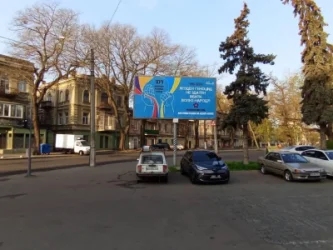
Photos: Memorial Boards Installed in Various Regions of Ukraine Marking the 109th Anniversary of the Armenian Genocide
Ավելին Society բաժնից

Մահացել է գերությունից վերադարձած Կարլեն Ստեփանյանը

Քաղաքացի է որոնվում

Մատենադարանն առաջին օգնություն կցուցաբերի