Beglaryan on the Withdrawal of Russian Peacekeepers from Artsakh
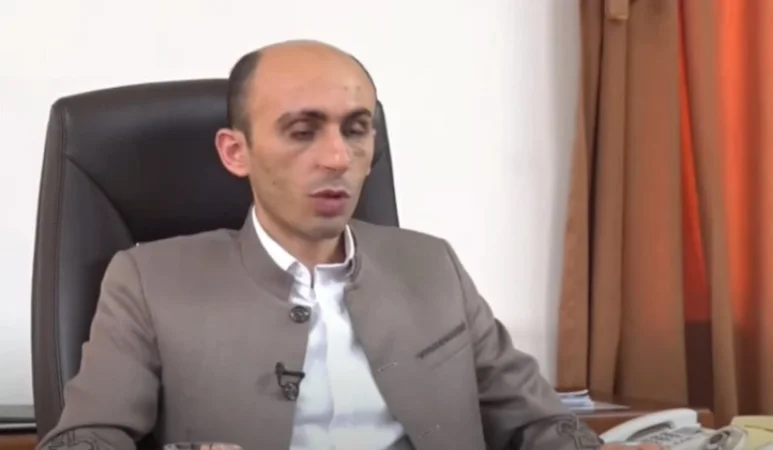
It is evident that the decision has been made between Russia and Azerbaijan, possibly also with Turkey's involvement. The reasons are difficult to assess, but they are geopolitical. It is hard to determine what price Azerbaijan is paying for this or what kind of threat or blackmail has been applied against Russia to achieve this outcome. However, it is clear that the Russian leadership did not want to engage in further confrontation with the Azerbaijani leadership, and in this case, also with Turkey, or there has been some geopolitical agreement elsewhere to ensure specific behavior from Azerbaijan or Turkey.
In an interview with News.am, former Prime Minister of Artsakh Artak Beglaryan spoke about the withdrawal of Russian peacekeepers from Artsakh, stating, “It has been done in exchange for something. What that something is—an action or inaction—such as specific behavior from Turkey or Azerbaijan on the Ukraine issue, or some positive steps in other directions, will become clear over time. It will be a bit challenging to assess what geopolitical package the withdrawal of Russian peacekeepers belongs to, but I am confident that the reasons are geopolitical.”
In response to the question of why some Russian peacekeepers have remained in Artsakh, Beglaryan replied that he has not seen any official statement on this matter and, until there is an announcement, he approaches this opinion with caution. “Moreover, who said that since September, there have been 1,960 peacekeepers in Artsakh? I think that perhaps by that time the number had been reduced. But now we need to understand that it does not matter how many peacekeepers remain; it matters whether there will be peacekeepers at all or not. At least in a symbolic way, will Russia's presence remain in Artsakh or not? After that, if they stay, the next question is what powers they will have, what functions they will perform,” said Beglaryan. He added that the previous agreements, as enshrined in the trilateral statement of November 9, 2020, have been completely ineffective since September.
According to him, the functions of the Russian peacekeepers have not been implemented since September; even if peacekeepers were to remain, a new document must be signed to clarify their functions, rights, and obligations. Beglaryan expressed a desire for a certain international presence in Artsakh. He recalled that just a few days ago, a representative of the Red Cross announced that the office in Stepanakert had been removed and moved to Barda.
In his view, these two events—the withdrawal of the Red Cross and the Russian peacekeepers—signal the exit of all types of international representatives from Artsakh, and now Azerbaijan will be much more unrestrained in committing its crimes. In response to the question of whether the withdrawal of Russian peacekeepers means that the Artsakh issue is being closed, Beglaryan stated that it threatens the prospects of the return of Artsakh residents, but he does not believe that this is the main factor for their return. “If the Artsakh residents had been returning under the guarantees of Russian peacekeepers or those guarantees until September 2023, they would not have left; they would not have been displaced. If the Artsakh residents were forcibly displaced in the presence of Russian peacekeepers, and Russia has not been able to act or has not acted to prevent that, it already means that additional factors should have been added for their return or new international protection mechanisms should have been activated so that the people of Artsakh could have confidence and a favorable security environment for a collective return,” Beglaryan added.
Նմանատիպ հոդվածներ
Agreement Reached Between Yerevan and Baku
Photos from Prime Minister Pashinyan's Visit to Tavush Province
State Department Denies Reports of Military Document Signed with Armenia in Brussels
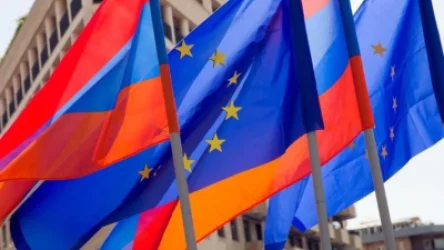
Armenia to Receive Assistance from EU Peace Fund for the First Time, Preliminary Agreement Reached
Ավելին Politics բաժնից
Ամերիկյան բանկի աշխատակցուհին անջատել է Հռոմի Պապի հեռախոսազանգը
«Արդարացի պատասխան» կտրվի Ռուսաստանին. Զելենսկի
Իրանը վաղ թե ուշ ստիպված կլինի համաձայնության գալ. Թրամփ