"Are the words 'Armenian, you will die' normal for the court?" Murphy's facts about Azerbaijan's actions
It is interesting to consider how Azerbaijan can assert that Armenia's claims regarding hate speech fit within the scope of the convention, while the same hate speech used against defenseless individuals, torturing them in prison or disappearing them, suddenly has no connection to manifestations of racial discrimination.
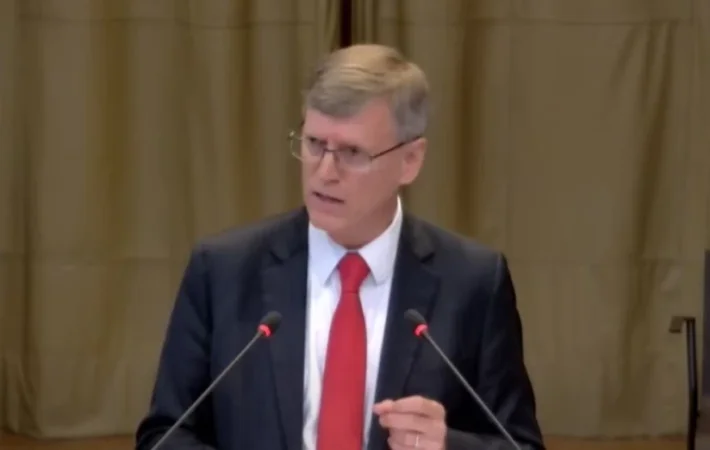
During hearings at the International Court of Justice today in the case "Armenia v. Azerbaijan," Professor Sean Murphy, representing Armenia, stated, "Azerbaijan wants the court to rule that any violence against ethnic Armenian soldiers related to combat operations, even when accompanied by extreme hate and racial rhetoric, cannot constitute a violation of the convention on the elimination of all forms of discrimination. This is simply impossible; it cannot be right. It cannot be asserted that this convention has no connection to the ethnic Armenian soldiers who were injured while being shot multiple times by an Azerbaijani soldier who was shouting derogatory terms at them. Given this evidence, claiming that such violence against ethnic Armenian soldiers does not constitute a violation of the convention is absolutely baseless."
Addressing Azerbaijan’s claim that the violence against Armenian soldiers (horrific videos presented by Armenia to the court) can only be understood considering their status as participants in combat, the professor remarked, "Do combat participants typically create public parks displaying enemy soldiers in a degraded state, with swollen faces that clearly play on racial tensions? No, they do not; yet Azerbaijan does."
Sean Murphy also mentioned the opening of the "Strategist's Park" in Baku, emphasizing that it is a vivid example of a racist approach: "The court recalls that the 'Strategist's Park' was inaugurated by President Aliyev. These racist mannequins were quickly removed by Azerbaijan during the examination of the first provisional measures in this case. Azerbaijan could not more clearly admit that its attitude towards Armenian soldiers was motivated not by ordinary animosity or combat considerations, but by racial enmity."
The professor rhetorically questioned whether it is normal for a court that children in Azerbaijan are educated with racist narratives: "The authors of these racist caricatures proudly declare, 'We have tried to create the ugliest characters; we usually create nice works, but with Armenians, it is the opposite; it's been a long and arduous process; we have given them flat heads and other features.' Do ordinary combat participants issue weapons with labels that say, 'Armenian, don’t flee; you will die'? No, they do not; however, Azerbaijan does. Do ordinary combat participants issue or publish stamps illustrating how soldiers cleanse the region of the conflict from the population? No, they do not; yet Azerbaijan has done so."
In response to Azerbaijan's claims that it will grant ethnic Armenians all rights and freedoms prescribed by its constitution in Nagorno-Karabakh, he noted that such vague assurances are insufficient given Azerbaijan's animosity towards them: "The promise of reintegration does not respect the status of Nagorno-Karabakh as an autonomous region. In contrast, Aliyev has promised that Armenians living in Nagorno-Karabakh will have no status or privileges. Azerbaijan's promises are hollow, considering the prevailing hatred. Azerbaijan must withdraw all its military and law enforcement forces from Nagorno-Karabakh’s civilian settlements, which were seized during the armed attack on September 19. Azerbaijan must refrain from interfering with UN visits and contacts with the Armenian population. Azerbaijan must avoid actions that obstruct the activities of the ICRC and actively cooperate with it. Azerbaijan must refrain from punitive actions against former leaders and military commanders of Nagorno-Karabakh. Azerbaijan must not alter or destroy monuments from the 1915 genocide, nor its cultural and religious heritage."
Նմանատիպ հոդվածներ

Ավելին Politics բաժնից
Իրանից հստակ ուղերձ՝ Եվրոպային. վճռական պատասխան կստանան

Չի բացառվում Իրանի դեմ լայնածավալ պատերազմի վերսկսումը. Թրամփ
Իրան–Հայաստան–Վրաստան–Ռուսաստան. օրակարգում՝ նոր էներգետիկ միջանցքների ստեղծումն է