Tokayev to Visit Yerevan Officially: Date Announced
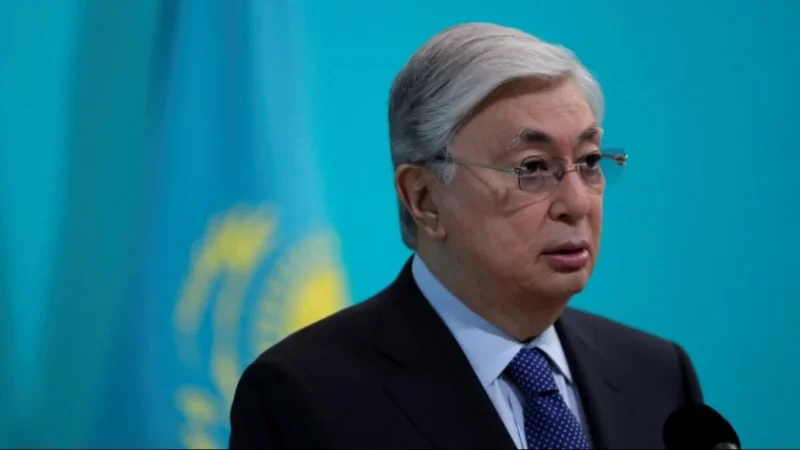
On April 15, Kazakhstan's President Kassym-Jomart Tokayev will arrive in Yerevan on an official visit. This was reported by the press service of the President of Kazakhstan. During the one-day visit, Tokayev will meet with the Prime Minister and President of Armenia.
Ahead of his visit to Armenia, President Kassym-Jomart Tokayev gave an exclusive interview to the Armenpress news agency, noting that Kazakhstan is interested in expanding cooperation with Armenia.
“Dear Kassym-Jomart Kemelevich, this September marks the 25th anniversary of the signing of the Treaty of Friendship and Cooperation between Armenia and Kazakhstan. How would you characterize the current dynamics of Armenian-Kazakh relations?”
“This year is indeed special and symbolic for bilateral relations, both in terms of significant dates and meaningful nature. The fundamental interstate document adopted by Kazakhstan and Armenia in 1999, the Treaty of Friendship and Cooperation, laid a reliable foundation for multifaceted Kazakh-Armenian relations. Over these years, we have strictly adhered to its provisions, expanding and deepening ties between our countries and peoples in every possible way. Currently, the relations between Astana and Yerevan are characterized by open political dialogue, dynamic growth in trade and economic cooperation, and comprehensive development of cultural and humanitarian connections.
Our countries have accumulated positive experience in joint work on international platforms. When advancing initiatives and candidacies in various international organizations, we receive mutual support. Close cooperation has been established in multilateral platforms such as the UN, CIS, EAEU, CSTO, OSCE, and more.
Taking this opportunity, I wish success to Armenia during its presidency in the Eurasian Economic Union.
Interparliamentary partnership is developing systematically. Cooperation at the intergovernmental level is dynamically implemented. The legal and contractual framework is gradually expanding. During my upcoming visit to Armenia, we will adopt several new documents.
The foundation of relations between Kazakhstan and Armenia is trade and economic cooperation. In the last five years, mutual trade has increased by 3.5 times. In 2023, trade turnover grew by 23 percent. Of course, trade volumes do not correspond to our potential, but there are objective reasons related to the complex transport logistics between the countries. Nevertheless, the export-import opportunities indicate a serious potential for significant expansion of mutual trade. A clear indication of this was the recent business forum held in Yerevan with the participation of entrepreneurs from Kazakhstan and Armenia.
The key institution for interstate cooperation is the Intergovernmental Commission on Trade and Economic Cooperation. By the way, it has also been 25 years since its establishment. We are determined to deepen and expand our ties. A practical manifestation of our intentions is the decision to open additional offices of honorary consuls of Kazakhstan in the Ararat and Aragatsotn provinces of Armenia this year.
I am confident that the programs for establishing sister city status between Astana and Yerevan, as well as other cities, will also contribute to the expansion of ties.
Business cooperation and the development of tourism are fostered by the launch of direct flights from Aktau to Yerevan and back in 2023. At the same time, our plans for increasing official visits and business trips require the establishment of direct flights between the two capitals.
The cultural and humanitarian sector, which encompasses arts, sports, tourism, education, healthcare, and much more, also has a practical nature. Overall, the level of Kazakh-Armenian relations, based on friendship, trust, and mutual understanding, aligns with the interests of both peoples. I believe that through joint efforts, we can inject new energy into all aspects of Kazakh-Armenian connections.
“What do you think the future of Armenian-Kazakh cooperation looks like? Which sectors of cooperation would you highlight, and how would you assess, in particular, the economic relations?”
“As I have mentioned, there is great potential for further deepening cooperation in various sectors. The socio-economic achievements of the Republic of Armenia are encouraging. Your country is recording notable results in all key sectors of the economy, ensuring high growth rates among EAEU countries. This is evidenced by the 8.7 percent growth in Armenia's GDP last year, with minimal inflation (the increase in consumer prices was only 2%).
In this regard, we attach great importance to the further comprehensive development of economic ties. Today, our country is ready to increase the export of 70 types of products, both raw materials and finished goods, totaling 350 million dollars. These include products from the metallurgical, oil and chemical, food, construction, and agricultural industries. Considering that until 2011, wheat was one of the leading export products to Armenia, I consider it important to restore supplies of wheat and other food products to Armenia's major trade networks. I believe our Armenian partners also have similar offers.
Industrial cooperation is also promising. It is important for us to create joint projects linking our countries. Our investment cooperation needs intense development and promotion. A favorable investment environment has been created in Kazakhstan. All the necessary tools are available to support foreign investments.
We also see great opportunities in the field of digitization. Kazakhstan is pursuing a targeted policy to transform and become one of the largest digital hubs in the Eurasian space. Just in the last 3 years, our IT service exports have tripled, reaching 500 million dollars. By 2026, it should reach at least 1 billion dollars. A key factor in deepening economic cooperation is the establishment of cost-effective and rapid ground logistics between our countries. Expanding air connections will provide mobility for businesses and citizens and open new opportunities in tourism.
All the sectors I mentioned should become integral components of economic cooperation. With a high multiplicative effect, they will contribute to the development of related sectors. Directly answering your question, I see the future of our relations as strictly adhering to accepted bilateral obligations and expanding the legal and contractual framework, strengthening friendly ties and cooperation between our peoples, and deepening interactions in trade, economic, cultural, and humanitarian fields.
Full interview can be found on the original source site.
Նմանատիպ հոդվածներ
Part of Voskepar's Kitchen and Land Will Remain in Armenia, While the House and Other Part Will Be in Azerbaijan: Tatoyan
House Arrest of Vahan Keriobian Extended: Lawyer Details
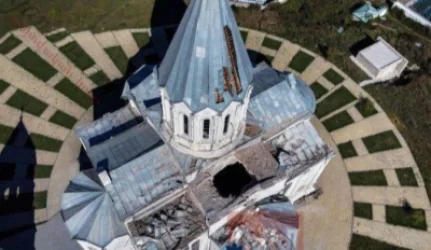
Photos: Azerbaijanis are demolishing the Ghazanchetsots Church in Shushi
NSS Details Incident at the Armenia-Azerbaijan Border in the 'Nerkhin Khndzoresk' Section
Ավելին Politics բաժնից
Ռուսաստանը տնտեսական պատերազմ է սկսել Հայաստանի դեմ․ երբ հակահարված կտա Երևանը
Ուկրաինան նոր քայլ արեց Ռուսաստանի դեմ․ Զելենսկին հաստատեց աղմկահարույց օրենքը
Զելենսկին նոր հրաման է տվել զինված ուժերին․ օտարերկրացիների է հավաքագրում