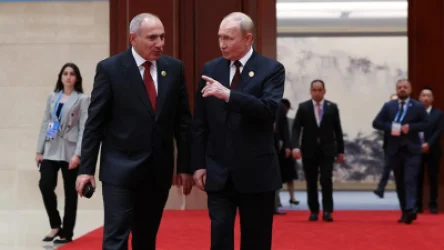
Pashinyan's Interview with Kazakh Newspapers
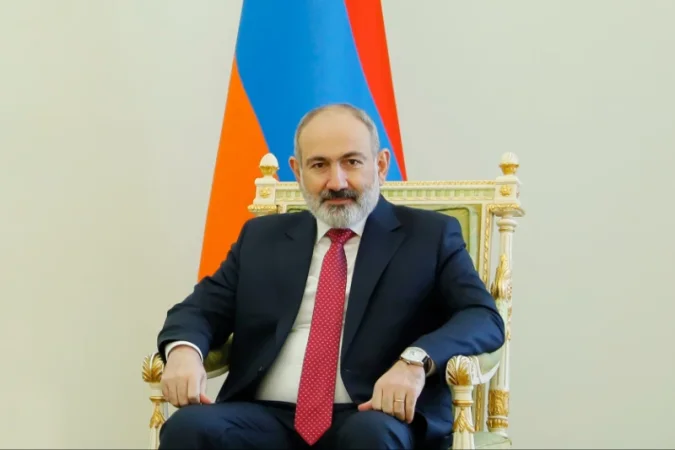
Prime Minister Nikol Pashinyan has given an interview to Kazakhstan's Egemen Qazaqstan and Kazakhstan Pravda newspapers. Below we present the full interview of the Prime Minister of Armenia.
This year marks the 25th anniversary of the signing of the treaty on friendship and cooperation between Kazakhstan and Armenia. How have bilateral relations between our countries developed over this quarter of a century?
Indeed, this document has become a key milestone on the path to elevating bilateral partnership to a fundamentally new level, largely outlining the general principles and main priorities of our interstate relations. The period that has elapsed since then has clearly demonstrated that the further development of the potential for bilateral cooperation fully corresponds to the fundamental interests of the Armenian and Kazakh peoples.
Today, our relations are characteristically distinguished by their strategic nature and include reliable political dialogue, including at the highest levels. I would like to emphasize with satisfaction the presence of a mutual political will that allows us to move forward across the entire spectrum of bilateral relations, enriching them with new content and strategic benchmarks. We are determined to develop bilateral relations based on the principles of real equality, mutual assistance, sovereignty, territorial integrity, and mutual respect for each other's interests, which are equally precious to both the Armenian and Kazakh peoples.
Relying on centuries-old strong ties, our countries actively and purposefully advocate for comprehensive and consistent growth in interstate dialogue and cooperation in almost all areas—ranging from political interactions in bilateral and multilateral formats to the expansion of trade and economic cooperation, deepening cultural and humanitarian ties, and developing partnership relations at the interregional level.
At the same time, it should be noted that alongside the considerable existing foundations, we undoubtedly have a fairly wide field for further joint work.
In 2023, trade turnover between Kazakhstan and Armenia increased by more than 23 percent. However, despite such dynamics, the trade and economic cooperation potential between our countries remains largely unrealized. Which sectors do you believe are most promising for cooperation?
Last year's growth in bilateral trade turnover confirms the effectiveness of the mechanisms created to ease business conditions; however, it can be agreed that further steps are required to find new forms of cooperation aimed at elevating sectoral collaboration to a qualitatively new level that corresponds to the existing potential and development priorities of our countries.
In this regard, the intergovernmental commission for economic cooperation between the Republic of Armenia and the Republic of Kazakhstan bears special responsibility. Its next—the tenth session—was held in early April of this year. Considering the special attention given to diversifying transportation routes and identifying new chains for export-import and transit transactions, we can expect corresponding results in the near future. Alongside traditional sectors such as food and jewelry industries or pharmaceuticals, we can also discuss collaboration in the field of innovative technologies (opening joint startups, machine engineering, digitization of education, promoting sectoral investments, etc.).
Armenia, like Kazakhstan, places special importance on the development of transport and logistics infrastructure. In this context, the Armenian government has presented a comprehensive infrastructural project for our region called “Crossroads of Peace,” which envisages the creation and modernization of several transportation and communication routes. The objective of this project is to create more favorable conditions for the development of trade and economic relations between all interested states as well as significantly enhance the logistics potential of the South Caucasus region, based on full respect for the sovereignty and jurisdiction of countries, as well as the principles of equality and reciprocity.
Additionally, I believe that establishing direct connections in a “business-to-business” (B2B) format can also contribute to the realization of our countries' trade and economic potential. In this regard, the work carried out within the framework of the Armenian-Kazakh business forum, which also took place earlier this month in Yerevan, is noteworthy.
Today, there are more than 400 companies registered in Kazakhstan with Armenian capital, while in your country, around 100 companies operate in various sectors of the economy with Kazakh capital. What makes Armenia attractive for Kazakh entrepreneurs, and in your opinion, what are the prospects for developing cooperation in the investment sector between our states?
Due to the “open door” policy pursued by the Armenian government, there are practically no restrictions on investment activities in our country. Our government provides comprehensive support to foreign investors, including our Kazakh partners. We offer a number of programs that provide state support and resources for investment projects that promote economic development and innovation. Business-friendly conditions have also been created in Armenia's free economic zones, with a comprehensive package of tax incentives provided, and simplified procedures in place.
Armenia consistently carries out a multi-vector external trade policy, and in light of the preferential trade regime we have with Kazakhstan within the framework of the EAEU, as well as the opportunities to combine the transport and logistics capabilities of the two countries for the purpose of diversifying trade and transport routes, our country becomes attractive for Kazakh entrepreneurs. In this regard, I would like to again emphasize the importance of direct contacts among representatives of the business communities of Armenia and Kazakhstan for promoting investments. I am confident that the state structures of both countries will, in turn, provide appropriate protection for capital, as well as a secure and predictable investment environment.
Kazakhstan is currently a leader in the field of digitalization in Central Asia—from fintech to e-government, and further development in this direction remains among our country’s priorities. Armenia also pays great attention to updating information and communication technologies and developing a knowledge-based economy. What expertise can our countries exchange with each other in this area?
The IT industry in Armenia has seen significant growth in recent years due to favorable conditions for business, qualified labor force, and government support. The IT sector in our country exhibits sustainable annual growth of 20%, making it one of the most dynamically growing industries. Armenian companies have a strong reputation internationally in software, development, artificial intelligence, machine learning, information security, as well as fintech innovative startups.
Given the existing mutual interest between representatives of the high-tech industry of both countries, I believe that the work being done to determine specific mechanisms and forms of cooperation in these areas could lead to promising joint projects in the visible future.
Mr. Prime Minister, do you believe that the coordination of efforts among EAEU member countries can create a more stable model of economic cooperation, smoothing geopolitical fractures?
The EAEU is an economic union without any political and especially geopolitical agenda. Both the Armenian and Kazakh sides mainly share this approach and develop cooperation within this economic union precisely along this logic. We continue to evolve cooperation within our economic partnership, aiming to prevent any attempts to politicize the EAEU. The EAEU and its economic principles should not be interconnected with political ambitions. The main freedoms of trade and integration cannot and should not be restricted by political considerations, as this would lead to the corrosion of the fundamental principles of the union.
Kazakhstan and Armenia cooperate not only bilaterally but also within multilateral frameworks. Do our countries share a common understanding of key issues on the international and regional agenda?
Our relations on multilateral platforms are also characterized by regular mutually trustworthy communications, an open exchange of views on current global and regional agenda issues, and a willingness to seek joint solutions to emerging challenges. Armenia, like Kazakhstan, pays special attention to the respect for norms and principles of international law, particularly regarding state sovereignty, recognition and respect for each other's territorial integrity, and inviolability and integrity of borders.
Our countries aim to diversify their economies and transit potential. The combination of all of the above makes the positions of Armenia and Kazakhstan more understandable regarding key issues in the international landscape. Considering also the fact that within multilateral frameworks Yerevan and Astana often adopt, if not always identical, then very close positions, Armenia is ready to further develop and deepen constructive cooperation with Kazakhstan on various international and regional platforms based on mutual support.
Traditionally, humanitarian ties and human contacts play a significant role in the development of mutual understanding and cooperation between states. A considerable number of ethnic Armenians live in Kazakhstan, who have the opportunity to develop their culture and language, reinforcing ties with their historical homeland. How many ethnic Kazakhs live in Armenia? What measures are taken at the interstate level to continue the rapprochement between our two peoples based on mutual respect and friendship?
Historically being a people with a large diaspora, Armenians are well aware of how important it is to have the freedom of expression and to preserve their linguistic, ethnic, cultural, and religious identity. For our government, creating conditions for establishing connections among people, encouraging the activities of cultural and information centers and compatriotic unions, is a priority. Today, tens of thousands of Armenians live and thrive in Kazakhstan, making significant contributions to the establishment and development of our friendly country. Being faithful citizens of their state, they simultaneously do everything possible to preserve their national identity, language, and traditions. We, of course, deeply appreciate the people and government of the Republic of Kazakhstan for creating such a healthy environment of inclusion and equality. Despite the relatively small number of ethnic Kazakhs living in Armenia, our people have always regarded the Kazakh people with liking and deep trust, highly valuing our centuries-old friendship.
Նմանատիպ հոդվածներ
House Arrest of Vahan Keriobian Extended: Lawyer Details
Photos: Azerbaijanis are demolishing the Ghazanchetsots Church in Shushi
NSS Details Incident at the Armenia-Azerbaijan Border in the 'Nerkhin Khndzoresk' Section
Part of Voskepar's Kitchen and Land Will Remain in Armenia, While the House and Other Part Will Be in Azerbaijan: Tatoyan
Ավելին Politics բաժնից

Լավ լուր՝ կոնյակ արտադրողների համար

Թրամփն առաջին հյուրընկալող ղեկավարը չէ, ով փորձում է քաղաքական միավորներ ստանալ Ֆուտբոլի աշխարհի առաջնությունից. Politico

Կառավարությունը բարձրացնում է ծխախոտի, ալկոհոլի, բենզինի և դիզվառելիքի ակցիզային հարկերը