We Must Raise Armenia's Resilience Level to Face Challenges: Ararat Mirzoyan
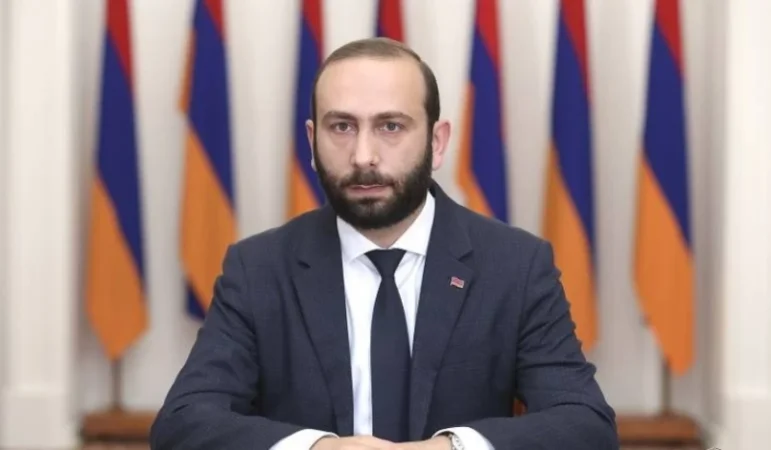
On April 8, Armenian Foreign Minister Ararat Mirzoyan hosted a delegation from the Political and Security Committee of the European Union Council. In his welcoming remarks, the Foreign Minister stated, “We are currently in the process of deepening our relations with the EU. I wish to recall the statement of the Prime Minister in the European Parliament: ‘We are ready to get closer to the European Union as much as is acceptable to the European Union,’ thus this is the most accurate formulation of the current state of our relations.
We have a Comprehensive and Enhanced Partnership Agreement (CEPA), and we are now examining what can be done together regarding matters that fall outside the CEPA. We have an economic and investment plan, and we have primary initiatives that are currently being discussed with the EU. We refer to this as support for the resilience of the Republic of Armenia, as we know that the processes occurring around the world, particularly in our region, may have somewhat unpredictable, and according to some, unavoidable consequences.
To face these challenges, you and we must collectively raise the resilience level of the Republic of Armenia, including economic resilience. We know that we may face certain challenges in energy supplies, and we may encounter challenges regarding the sale of goods in traditional markets. Therefore, there is a very profound understanding of what we can be and what we need to do together regarding Armenia-EU relations.
We are moving in the right direction, and where this path will lead us is difficult to say right now, but we are open to numerous opportunities. Therefore, what I can add to this conversation is that the people of the Republic of Armenia truly have European aspirations, and we will be guided by those aspirations.
As for regional challenges, you know that we are negotiating a peace treaty with Azerbaijan, where there are several significant points, provisions where the positions of the parties are far apart. First and foremost, this concerns the recognition of territorial integrity and the need to agree on the basis for the further demarcation process.
You can analyze the high-level meetings, which include not only bilateral meetings but also trilateral and quadrilateral meetings involving Azerbaijan, our Prime Minister, the President of the European Council, Charles Michel, French President Emmanuel Macron, and German Chancellor Olaf Scholz. One of the meetings was also held in the presence of the President of Russia. Subsequently, they generally make public statements. In those statements, our Prime Minister and the President of Azerbaijan reaffirmed that both countries recognize each other’s territorial integrity according to the Almaty Declaration.
For those who do not know, this declaration is a document signed by the former 11 republics of the USSR. It was sort of a civil divorce document, so this declaration first recognizes that the Soviet Union ceases to exist. Among other things, they acknowledged that the former administrative borders between them, as Soviet socialist republics, have now become internationally recognized state borders between newly independent states. Armenia and Azerbaijan were among these states, and therefore they reaffirmed this recognition and also stated that the Almaty Declaration should serve as the basis for the further demarcation process. In short, demarcation commissions should restore only the boundary that existed in 1991 at the time of the collapse of the Soviet Union.
The second important point, around which there is no common understanding, is related to communications. We are not only open; we are not only ready to provide that access, but we are also interested in becoming a part of international transit. That is why we have put forward an initiative called the ‘Peace Crossroads.’ This means that Armenia is ready to provide Azerbaijan and other countries with access through its territory, regarding both people and cargo.
We believe that the unblocking of regional transport infrastructures should occur with full respect for our sovereignty, as well as their jurisdiction, and in accordance with the principles of reciprocity and equality. Therefore, not only should Azerbaijan have the opportunity to transit through our territory, sending its cargo to Nakhchivan or elsewhere, towards Turkey, but Armenia should also have access and the opportunity to utilize their infrastructure.
Նմանատիպ հոդվածներ
There is No Question of Joining NATO on Armenia's Agenda, but We Have European Aspirations: Ararat Mirzoyan
Russia Officially Accuses Ukraine of Terrorism at Crocus
Issues Related to Border Delimitation Still Under Discussion, Says Deputy Prime Minister's Office
Alarm: EU Observers Consider Ijevan-Voskepar Road Azerbaijani
Ավելին Politics բաժնից
Իրենք ոչ ընտրվել են, ոչ էլ՝ հաղթել. Իշխան Սաղաթելյան
Ավելի լավ կլինի, եթե ընդդիմությունը չգա խորհրդարան. Ռուբինյան
Մոսկվան պահանջում է Եվրոպայից հեռացնել ամերիկյան միջուկային զինանոցը