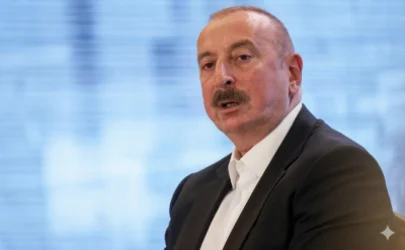
Azerbaijan and Armenia Must Find Solutions Themselves; No One Can Impose Solutions on You – EU Representative
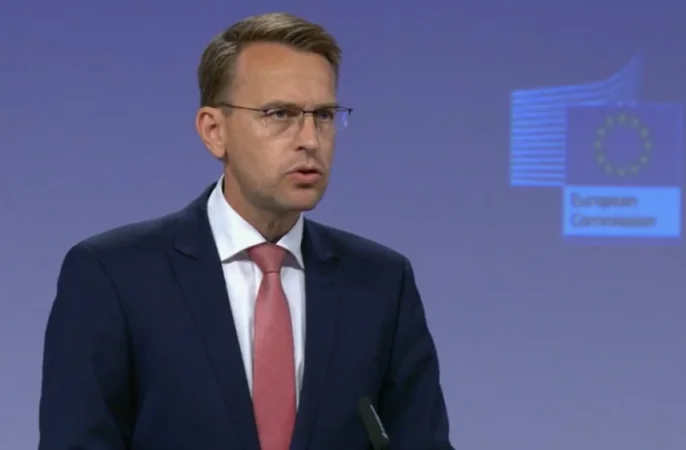
Azerbaijan and Armenia must find solutions themselves. No one can resolve the issues on your behalf. No one can impose solutions on you, stated EU foreign affairs spokesperson Peter Stano in an interview with Azatutyun in Brussels.
“We have international law regarding territorial integrity and sovereignty. The European Union has a very clear stance: international law must be respected, and it cannot be violated. If there are issues, they should be resolved at the negotiating table. That is why we are significantly involved in supporting the negotiation process between Azerbaijan and Armenia to address all existing problems. The President of the European Council, Charles Michel, is very much engaged in this, with the support of High Representative Borrell and EU Special Representative Toivo Klaar. This is what we are already doing – working with both sides in bilateral and trilateral formats to advance this process.”
“But ultimately, Azerbaijan and Armenia must find solutions themselves. No one can resolve the issues on your behalf. No one can impose solutions on you. We, as the international community, can only help,” Stano added.
Stano further emphasized that the EU cannot play a mediating role here and cannot take the leading role in the resolution process: “We can play a supportive role together with other partners, such as the US and the UN, as this concerns the respect for international law. We do not apply leverage or impose anything on someone to force them to do something. Instead, we offer our services, our best practices, and good intentions to help the parties find a solution. Ultimately, I want to reiterate, it is Azerbaijan and Armenia that must come to an agreement.”
The EU maintains the same position worldwide. If we step back and view this from a broader perspective, the EU is facilitating the normalization of relations between Serbia and Kosovo, which has been ongoing for more than 10 years, and these countries are much closer to the EU. We facilitate the process but cannot compel them to find a solution until they see that this solution is a good compromise for both sides. The same applies to the case of Israel and Palestine; there has been a long-standing resolution process there, but until both sides are ready, no one else can impose a solution.
“We do not engage in forcing countries and partners into decisions. We emphasize the necessity of respecting international law. We emphasize the need for reconciliation and friendly relations, as these are the principles of civilized life. In the EU, we live in the 21st century, and in the 21st century, issues are resolved through discussions, not by force.”
Նմանատիպ հոդվածներ
Russian Foreign Ministry Calls on Yerevan's Leadership: Do Not Allow the West to Deceive You
CSTO States It Does Not Recognize Armenia's Borders, Says Mirzoyan

If Armenia Wants Russian Soldiers on Its Land, It Is Its Sovereign Decision, EU Representative Says
Armenian Ministry of Defense Statement on Border Situation
Ավելին Politics բաժնից

Վարորդներին համատարած տուգանում են. ՆԳ նախարարի նոր որոշում. «Ժողովուրդ»
Արաղչին` ռուսական առաջարկի մասին
Փաշինյանը հանդես է գալիս պատերին ծեփելու, ասֆալտին փռելու սպառնալիքներով. Իվետա Տոնոյան