April Weather Forecast
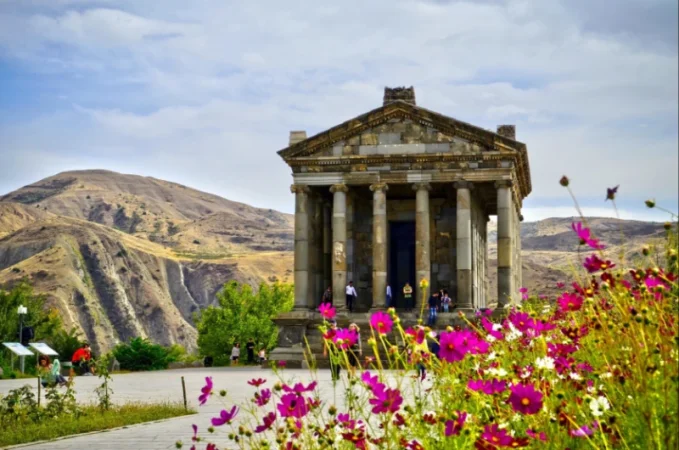
The height of the sun above the horizon continues to increase in April, leading to a longer duration of daylight. However, the duration of sunshine only accounts for 40-50% of the possible hours of sunshine due to significant cloud cover observed during the month. The average monthly temperature across the country is +4.7°C, while the average temperature in the third decade is +6°C.
The Hydro-Meteorological and Monitoring Center reports that the coldest period is the first decade of the month, with an average temperature of +2.7°C (negative temperatures are still registered in high mountainous regions). By mid-April, in areas above 2000 meters, daily average temperatures exceed 0°C, marking the end of winter, while in warmer regions, daily averages rise above 10°C.
In the first decade of April, temperature differences are quite significant: the average temperature in Gegharkunik, Kotayk, Shirak, and the mountainous regions of Aragatsotn is +2.5...+3.0°C, in Lori and Tavush it reaches +7...+8°C, and in the Ararat Valley and Syunik lowlands, it is +10...+12°C. During the second decade, the average temperature is +1.5...+2.0°C higher than that of the first decade; however, in mountainous areas, temperatures may still drop to -15...-20°C. The average temperature for the third decade is +6.6°C.
The average maximum temperature recorded in Shirak is +17...+20°C, in Lori +20...+24°C, in Tavush +20...+25°C, in Gegharkunik +13...+17°C, in the Ararat Valley +25...26°C, and in Syunik +23...+29°C. The absolute maximum temperatures in the Syunik lowlands reached +35...+36°C in April 2008, +33...+35°C in the Ararat Valley, and +29...+30°C in Tavush (32...34°C in Bagratashen).
Negative temperatures recorded in the valley regions during the first decade of April are considered harmful frosts, posing a serious threat to agriculture where fruit trees begin to blossom and agricultural crops (grains, potatoes, etc.) are sown and planted. On the night of April 5, 2004, the recorded minimum temperatures were lower than any absolute minimums previously registered in April, reaching -16...-21°C in mountainous areas (with -23°C in Masrik), -11...-16°C in Lori, -5...-10°C in Tavush, Ararat Valley, and the foothills of Syunik, and -2...-4°C in the Syunik lowlands.
The average amount of precipitation in April is 77mm, accounting for 12% of the annual total. The maximum precipitation is recorded in mountainous regions (Amberd, Garnhovit, Semenovka) reaching 100mm, while Aragatsotn, Kotayk, and Syunik lowlands receive 60-80mm. Comparatively less precipitation is recorded in the Ararat Valley, ranging from 30-50mm. Furthermore, this amount is distributed almost evenly throughout the month, with rainy days numbering 10-15. In high mountainous areas (above 2000m), precipitation occurs in the form of snow or wet snow.
Abundant precipitation was recorded in the years 1963, 1978, 1984, 2006, 2007, 2010, and 2011, reaching double and triple the monthly norm. Drought years occurred in 1943, 1950, 1970, 1983, 2008, and 2012, with some dry years in the Ararat Valley recording only 1% of the monthly precipitation norm. Typically, snow cover dissipates in April, except in high mountainous areas. On average, 1-2 days of snowfall can occur in the valley regions every ten years. The relative humidity in April is relatively high at 60-75%, dropping to 55-60% in the Ararat Valley.
April sees an increase in thunderstorm activity, with hail occasionally observed. The average number of thunderstorm days is about 3-5 throughout the month. The projected average monthly temperature is expected to be 2-3 degrees above normal, while the amount of precipitation will remain close to the norm.
Նմանատիպ հոդվածներ
State Revenue Committee Announces Changes Regarding Fines

Two Individuals Transferred from Artsakh to Armenia: ICRC Details

From Now On, the "Account Number" Field is Mandatory for Concluding the Compulsory Insurance Agreement

Azerbaijan's Wish to Start Delimitation from Tavush: Azerbaijan Speaks to Us with the Threat of Force - Armen Khachatryan
Ավելին Society բաժնից
ԵՊՀ-ն՝ արտասահմանյան գրականության ամբիոնը փակելու որոշման մասին
Լոռիում շարունակվում են երկու անչափահաս քույրերի որոնողական աշխատանքները․ ինչ է պատմել մայրը

«Ոչնչացված» դեղերը կարող են վերադառնալ վաճառք․ ԱԺ-ում նախաձեռնել են խիստ վերահսկողություն