I Knew Very Well That the 'Dissolution' Document Is Illegal: Shahramanyan's Interview with Le Figaro
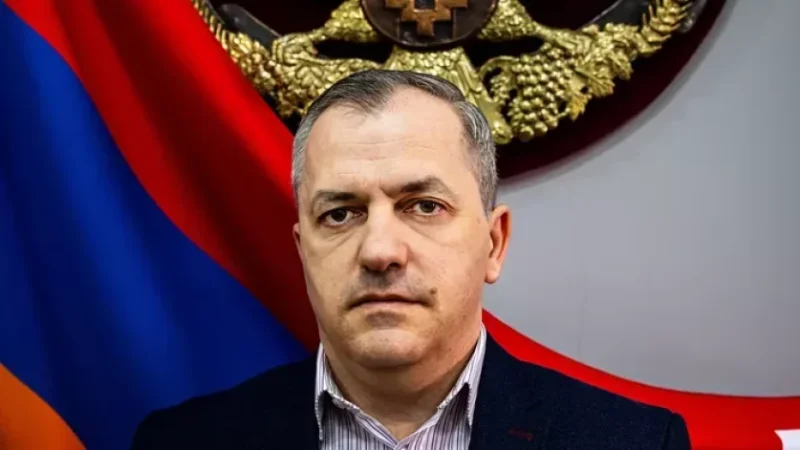
According to our data, today there are 10 or 11 Armenians remaining in the entire territory of the occupied Republic of Artsakh. This was stated by the President of the occupied Republic of Artsakh, Samvel Shahramanyan, in an interview with the French publication Le Figaro.
"They are disabled or sick people who cannot move or wish to stay close to their relatives' graves. The number of Artsakh residents who remained there was larger after the forced migration that occurred in September 2023. However, several dozen Artsakh individuals who decided to stay later preferred to come to Armenia with the help of the Red Cross," said Shahramanyan.
When asked about communication with prisoners, the President of Artsakh noted that, apart from 8 leaders of Artsakh, there are also 7 servicemen who were captured in September.
Shahramanyan mentioned that at this moment, there is no clear timeline for the so-called judicial process. Referring to the so-called 'interview' of the former leaders of Artsakh conducted in Baku, Shahramanyan pointed out that it was done under duress.
The President of Artsakh also appealed to France to apply pressure on Azerbaijan to demand the release of all prisoners. "I demand their immediate and unconditional release, as well as the release of all Armenian detainees who have been arbitrarily detained and imprisoned on unfounded charges. And I urge France to exert pressure on Aliyev," he said.
Responding to talks about a connection between the elections of Artsakh's 5th president and the subsequent attack, Shahramanyan denied this, reminding that the Azerbaijanis had already been gathering troops along the contact line beforehand. "It was clear that after the nine-month blockade aiming to weaken us, they were preparing to attack," he stated.
Discussing the issue of the state's 'dissolution' and the subsequent decree to annul that 'document', Shahramanyan said, "From the very beginning of the aggression on September 19, we understood that we would be alone in our defense and that even the Russians present on the ground would not intervene. Due to the imbalance of forces, we had no chance to resist, which is why we quickly established communication with the Azerbaijanis to ensure that the civilian population would be as free as possible from military actions. After twelve hours of negotiations, we put an end to the hostilities. The very next day, the citizens of Artsakh requested to be evacuated to Armenia out of fear of mass killings by the invaders. Thus, we began the second phase of negotiations to ensure that their evacuation would go as smoothly as possible: Baku sent us a document stating that the National Assembly should declare that 'the people of Artsakh renounce their rights, sovereignty, and symbols.' However, for that document to be valid, the parliament had to vote on it. I proposed a counter-offer that the president, that is, I, declare the dissolution of Artsakh on January 1: 'This was a relatively safe guarantee for evacuation. I knew very well that that document was illegal and unconstitutional, as it was supposed to be ratified by the legal structures of the Republic of Artsakh, but it was the only means by which I could save my compatriots,' said Shahramanyan.
When asked whether there exists an exiled state and government, Shahramanyan replied, 'Yes, here in the building where I am hosting you in Yerevan, there are the offices of the President of Artsakh and of judicial and legislative bodies. Parliament members can convene here to vote. I signed a decree in October establishing that all government ministers remain in their posts on a voluntary basis.'
In response to questions about a possible return, Shahramanyan stated, 'In the current situation, it is unrealistic to think about returning our territory occupied by the Azerbaijanis. The realities of the peoples of Azerbaijan and Artsakh must be taken into account, as they consider each other as enemies. Young Azerbaijanis are taught in school from an early age that Armenians are enemies. It will take years for the mindset of the Azerbaijani people to change, making peaceable coexistence between neighbors possible. Here, I am equally concerned about the Armenians of Armenia as I am about those of Artsakh. How can the authorities in Yerevan consider their country safe when some portions of it are already occupied by Azerbaijanis, and the leaders in Baku publicly declare their rights over others?' he concluded.
Նմանատիպ հոդվածներ
Ավելին Politics բաժնից
Տեսել ենք մի դեպք, որը երևի թե նախադեպը չունի. Դանիել Իոաննիսյանն ահազանգում է
Ամեն ինչ կպարզվի իշխանափոխությունից հետո․ Սերժ Սարգսյան
Քվեարկեցի՝ խելագար Հայաստանը փոխարինենք խելամիտ Հայաստանով․ Լևոն Զուրաբյան