The 4 Tavush Villages Demanded by Azerbaijan Are Not Located in the Administrative Territory of Armenia: Sanosyan
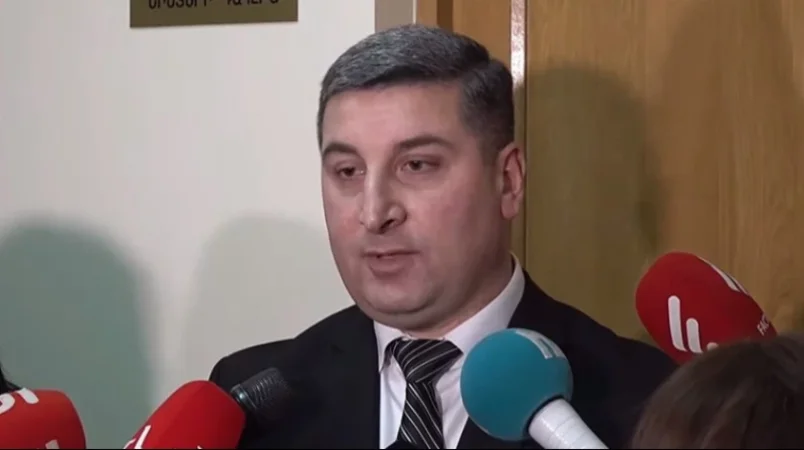
Delimitation and demarcation are aimed at clearly defining the boundary from which Armenia lies on one side and Azerbaijan on the other. This was stated today by Minister of Territorial Administration and Infrastructure Gnel Sanosyan during a conversation with journalists in the National Assembly.
“We need to take a legally acceptable map for both sides, which will serve as a basis for this process,” he said.
In response to Prime Minister Nikol Pashinyan’s statement that the infrastructures should be reconstructed to pass through RA territory, Sanosyan noted, “In those areas, there are places where roads or other infrastructures are quite close to the border, in some places, it may turn out that they cross the boundary, which implies that there may be a need to reconstruct some areas. The discussion concerns the current functioning road.”
According to him, the 4 Tavush villages that Azerbaijan demands are not located in the administrative territory of Armenia.
When asked whether only the roads need to be changed, or if the route of the gas pipeline entering Armenia should also be altered, the minister responded, “Work needs to be done to determine whether it’s only the road, only the gas pipeline, or it might also concern other infrastructures. That work has not yet begun, and there are no deadlines yet.”
In response to the observation that if nothing is clear yet and commissions still need to work, why the Prime Minister is rushing to say that those 4 villages are not in the territory of Armenia, Gnel Sanosyan replied, “Although the work is not completed, some work has been done, there are specific maps where certain things are visible.”
Regarding whether Armenia will give up those 4 villages for anything or demands that the territories of the 31 Armenian villages be returned to Armenia, Sanosyan remarked, “That is nothing, it is part of the process and may constitute part of the work of the delimitation commissions.”
He denied reports that alternative roads are currently being constructed in those territories.
Նմանատիպ հոդվածներ
Armenia Ready to Seek Solutions Along the Entire Border, Including the Most Problematic Areas Adjacent to Tavush
Arushan Shahnazaryan Drove Vehicle with License Plate '000 OO 00' While Under the Influence
I Realized That If We Do Not Formally Establish This Agreement, Nothing Will Hinder the Resolution of Armenia's Situation: Pashinyan
Photos: Artsakh State University Targeted by Azerbaijani Cultural Genocide
Ավելին Politics բաժնից
Փաշինյանը հանդես է եկել հայտարարությամբ
ՏԵՍԱՆՅՈՒԹ․ Դու քաղաքապետ ես, ոչ թե մայկա-տրուսիկ տպող․ Ծառուկյան

Խառը ցուցակներ են հրապարակվել․ մարդկանց տեղամասային կենտրոնները խառնված են. Գոհար Մելոյան