Science is a Primary Tool for Overcoming Obstacles, Says Pashinyan
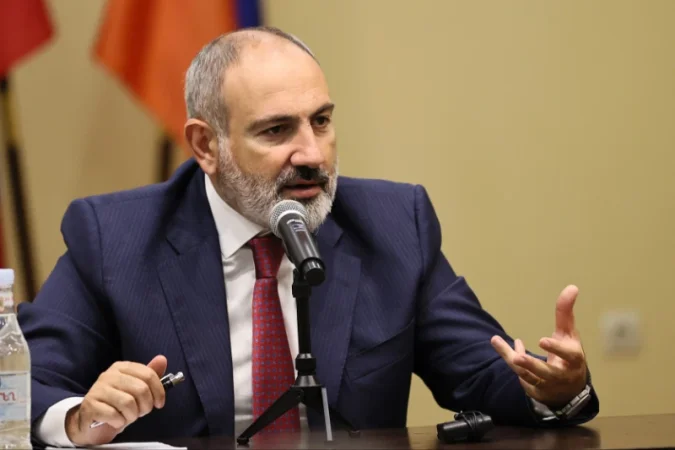
Prime Minister Nikol Pashinyan chaired the first meeting of the Council for the Development of Science and Technology in Armenia, during which a draft of the Armenian strategy for scientific and technological development was presented.
The council includes representatives from the public sector, as well as leaders from several well-known companies in the field, including Synopsys Armenia, Intelinair, SADA Systems, Strategic Value Ventures, Bigcontrol, Project Integration, and others.
Before the presentation of the draft, the Prime Minister mentioned that this format was established for clear reasons and purposes arising from the council's name, and he thanked the attendees for their willingness to engage in the council's activities.
“It is evident that the Republic of Armenia faces numerous obstacles on the path to development, and our understanding is that one of the primary tools for overcoming these obstacles is science and the resulting technological sector. In this format, we will try to ensure greater involvement from industry representatives, the government, and parliamentary partners in the development of strategies,” emphasized Nikol Pashinyan, adding that today’s meeting is the start of that process, and decisions will be made regarding the organization of further work based on the outcomes of the meeting.
Deputy Speaker of the National Assembly and council member Hakob Arshakyan presented the vision, goal, and framework of the strategy. Accordingly, the vision of the strategy is to ensure a leap in growth in Armenia's scientific and technological sector, while the goal is to implement mechanisms for aligning and interrelated development of policies in education, applied science, and high-tech industries.
“In the last three years, funding for science has sharply increased, and notably, this increase is particularly taking place in targeted program funding and thematic funding,” noted Hakob Arshakyan, adding that there are limited capabilities for laboratory testing in Armenia, and it is essential to set priorities and also develop laboratory capabilities in a targeted manner. According to Hakob Arshakyan, it is very important that resources have already been allocated for capital investments.
Addressing the high-tech sector, he mentioned that in recent years, there has been an increase in turnover of 34 percent in 2021, doubling in 2022, and 44 percent in 2023.
The draft presented five sectors: artificial intelligence and machine learning, microelectronics, advanced robotics, quantum technologies, biotechnology and sciences, which encompass components from educational, scientific, and industrial directions. It was proposed to create working groups that will operate within the executive framework for the benefit of developing the aforementioned sectors and enhancing investment efficiency.
Prime Minister Pashinyan emphasized, “I believe that the working groups of the council should audit our policies implemented in these three directions and evaluate how these policies are contributing to the further development of these sectors, assessing that contribution. If that contribution is insufficient, what should be done to make it more effective?”
A discussion unfolded around the issues raised in the draft, focusing on problem-solving and addressing mechanisms. In particular, proposals and observations were made regarding the implementation of development mechanisms in the mentioned sectors.
The Prime Minister thanked everyone for the effective discussion and expressed hope that as a result of joint work, it would be possible to find necessary solutions to conceptual issues and implement the outlined programs.
Նմանատիպ հոդվածներ
For Drivers and Vehicle Owners: Babken Tunyan Makes a Statement

The Plaque with the Image of Artilleryman Albert Hovhannisyan Has Not Been Removed from Yerevan Medical Center, Council Member Says

Electronic Platform to Regulate Taxi Services Sector

Public Transport in Yerevan Will Be Free for Women on March 8
Ավելին Society բաժնից
Սիփան Փաշինյանը՝ Տավուշի մարզպե՞տ․ «Հրապարակ»
Որտե՞ղ է ընտրական արդարությունը. «Փաստ»
ՊՆ-ն չի վճարում հավաքների մասնակիցներին․ «Հրապարակ»