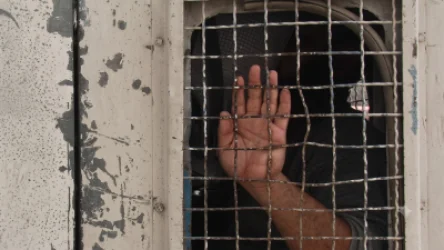
Numerous Issues Uncovered at Vardenis Neuro-Psychological Care Home, Ombudsman Reports
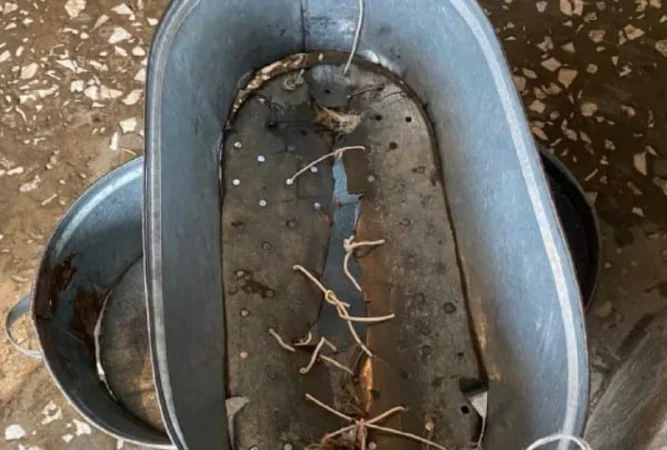
Employees and experts from the National Mechanism for Prevention of the Human Rights Defender's Office conducted an unannounced visit to the Vardenis Neuro-Psychological Care Home under the Ministry of Labor and Social Affairs of Armenia on February 12 at the direction of the Human Rights Defender.
During the visit, a number of issues were revealed that have also been documented previously and remain unresolved. In particular, the care home continues to be overcrowded, with insufficient living space for residents’ personal areas. Beds in the rooms are placed too closely together, violating the right to private life, and the number of psychiatrists is severely inadequate (two psychiatrists are serving over 450 residents).
Moreover, there is a differentiated approach towards residents that does not conform to human rights standards, and the right to outdoor walks is not ensured (for most of the year, they are not taken outside for walks). There continue to be violations regarding the use of restraint measures, with records being improperly maintained: numerous deletions exist, mainly changing the dates and times of restraint use and periodic medical examinations.
Medical documentation analysis has shown that injuries sustained by residents or during restraint incidents are not properly recorded, and information regarding the effectiveness of restraint measures is also inadequately documented. Physical restraint methods are traumatic and ineffective. Such restraints are often implemented in rooms in the presence of other residents, and in nearly all cases where pharmacological sedation is used, appropriate medical examinations have not been conducted, nor have the results been adequately recorded. In particular, records have only included data on the patient’s blood pressure and body temperature, with some records also including pulse information.
In addition, several departments have been reported to have unsatisfactory conditions for medication storage, with residents claiming that some departments have been infested with rodents for an extended period. There are issues related to the identification of clothing, as residents who cannot identify their clothing are provided with random items after washing.
Several departments are in need of renovation, and room conditions are inadequate (mattresses are inconsistent with bed sizes, a lack or absence of lockers, etc.). Some toilets and bathrooms in certain units are in dire need of renovation, as well as kitchen and laundry facilities. There is an urgent necessity to update both laundry and kitchen equipment. The care home lacks an environment that is adapted and accessible; for example, the entrances to departments are not equipped with ramps, making it difficult for residents with mobility issues to access bathrooms and outdoor areas. Dining rooms in the departments also require renovations.
Due to insufficient space and equipment, residents have had to eat in shifts. Additionally, during private conversations, residents voiced their dissatisfaction regarding the quality and repetitiveness of the food provided. They are regularly served identical, monotonous meals (boiled fish, pilaf with vermicelli, boiled potatoes, etc.), which is intolerable. Coffee is provided, at best, once a week rather than daily. Issues related to informed consent have also been noted; residents are not presenting informed consent and are not adequately informed about their rights.
The system of guardianship is not functioning properly, with insufficient oversight over guardians acting in the interests of residents. There is a need to ensure residents are occupied. Despite the existence of an activity center in the care home, residents’ engagement has remained limited to watching the television in the common room, which has been out of order in some departments for an extended period. Residents without personal mobile phones cannot contact their relatives or establish confidential communications with relevant bodies, including the Human Rights Defender, due to a lack of public phones.
This situation is alarming both for maintaining social connections for the residents and ensuring they can reach out to responsible state bodies. Residents contact their relatives only once a month using social workers’ personal mobile phones, and additional opportunities for calls are only provided during their or their relatives' birthdays. In practice, residents are directly dependent on the staff of the care home for access to telephone communication, which is a concerning practice that can lead to abuses.
Complaint boxes are not opened in a timely manner (during the monitoring visit, a box opened contained a complaint submitted four months ago), and the issue of public transport availability to the care home remains unresolved, while approximately 450 residents are housed there. The necessity for training medical and non-medical staff at the care home is still relevant, as well as unresolved issues regarding resident prosthetics. The working conditions of psychiatric organization employees are in an unacceptable state, among other concerns.
The protection of human rights is a comprehensive process that implies the guarantee of rights for all participants involved in this process, ensuring dignified treatment and establishing mutually respectful relations. An important aspect of this principle is the rights situation of the employees of the bodies tasked with protecting the rights of others. The working conditions and social guarantees for psychiatric organization employees, including their salaries, must continuously improve.
A document summarizing the visit's findings, including recommendations for addressing the identified issues, will be sent to the Ministry of Labor and Social Affairs of Armenia. The Human Rights Defender emphasizes the importance of organizing constructive discussions with all stakeholders regarding the raised issues.
Նմանատիպ հոդվածներ



Ավելին Society բաժնից

Նոր փոփոխություն՝ նպաստների համակարգում․ կգործի հուլիսի 1-ից
ԲԱՑԱՌԻԿ․ ԱԱԾ նախկին տնօրեն Արթուր Վանեցյանն առողջական լուրջ խնդիրներ ունի

Լավ լուր․ առողջության ապահովագրություն բոլորի համար. ինչ ծառայություններ կներառվեն