We Were Suggested to Stop Being Who We Are: Director of Public Radio on Interview with Pashinyan
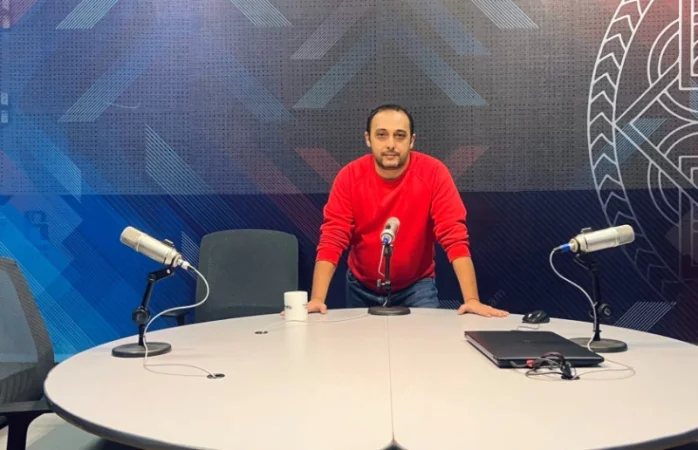
The interview with the Prime Minister could undoubtedly have been much better. This statement was made by Garegin Khumaryan, the Executive Director of the Armenian Public Radio.
“What took place in this studio on January 31 was not good journalism. The culprit is me. My esteemed colleague, Baregam Ghukasyan, is an exceptional specialist but is a narrow-focused news presenter. When I suggested to him months ago to try his hand at being an interviewer, he resisted as much as he could. On the contrary, I was sure he would excel, and I insisted that he host the 'Security Environment' program himself.
We had long discussions about the January 31 episode featuring the Prime Minister and concluded that in the future he will focus on his reporting work, which he truly excels at, and we will return to the interview genre when he feels ready. I barely convinced him to withdraw his resignation request.
The 'Security Environment' program will henceforth be hosted by someone else. I do not yet know who.
I apologize to the audience of Public Radio whose expectations we did not meet. Our interview with the Prime Minister certainly could have been much better.
Now, regarding what actually happened. The discourse that took place in this studio on January 31 raised questions for many of our listeners. It was not political; it revolved around deep thoughts about the vital meanings for our nation and our identity.
It unfolded in the media I run, and as the host, I feel the need to say a few words. Last week in this studio, we were suggested to stop being who we are. We were told that Turks are strong, and Armenians are weak. The Turks are slaughtering Armenians. This syllogism should have ended with the deductive conclusion of 'let us become stronger,' but instead we heard 'let us stop being Armenian.' From a logical exercise perspective, both conclusions are invulnerable and equally correct. However, this is not a foundational issue.
The Turks are slaughtering Armenians. Let us stop being Armenian, so they can’t slaughter us anymore.
At least we were suggested to think about this, because the Declaration, the anthem, the coat of arms, and other aspects questioned during the show are the foundations of our political identity. Just as easily, for example, in times of famine, one could suggest to people to stop being human. At the very least, one could ponder the feasibility of cannibalism in famine conditions.
I would simply be happy to know that this is all a game—maneuvering for time and strengthening ourselves. But how have we used the time we have already won? How have we utilized the inhumane efforts and national humiliation, the blood of more than 400 boys and girls that spilled in Ishkhanasar in 2021, in Kapan, Jermuk, and Vardenis in 2022, and in Artsakh in 2023, as well as the plight of hundreds of thousands of Artsakh people who faced starvation from the outset and risked extinction during these invaluable three years?
It is very easy, you know, to do nothing and later say that the bulls are strong. Let’s flee. Maybe that way they will not trample us.
The supplies of Indian and French weapons, the increase in soldiers' salaries, the certification, 'Defender of the Fatherland,' and the training exercises as such are excellent and unequivocally stunning in themselves, outside of context and timelines. But in the context and timelines?
How much do all these solve the problem of invasion on two fronts tomorrow or perhaps in half an hour? We have all seen how during 1992-94, it was possible to create an army in two years even amidst war. Why was this not possible now over the last three years? Especially since by November 10, 2020, we had been well battered, but it was not as if we were at complete zero, as in '91-92.
Abstracting from the geopolitical context. This is purely about the pace of military and, more broadly, state-building and, most importantly, the philosophy behind it.
The Declaration, the 3rd Republic, the anthem, historical justice, the coat of arms—those things questioned during our program are not to blame for our inability to be an ordinary country, while our government is an ordinary governmental authority that may even have succeeded in any of the Eastern or Central European countries, the existence of which has never been challenged by anyone and is not being disputed now either. Our case is different, and our coat of arms, anthem, declaration… carry this difference and articulate our primary state goal of never being subject to genocide again. The rest is derivative, and one should not interchange causes and effects.
Armenia cannot be an ordinary country for which being a conscientious taxpayer is enough to be a hero.
Raphael Lemkin, the author of the term 'genocide,' defines his proposed term as follows: 'Genocide is a coordinated plan of actions aimed at the destruction of the essential foundations for the existence of national groups and the extermination of those groups as such.' Are not the fundamentals essential for the existence of the national group bearing the name Armenian the meanings of the Declaration, the Coat of Arms, the Anthem, and the sense of historical justice?
But with or without these fundamentals, they will come after us, nonetheless. Just as the Nazis came after even the converted Jews. So, it would not be superfluous to have at least learned to produce gunpowder during the last three years.
Once again, I apologize for the program which undoubtedly should have been of higher quality. We will strive to become better.
Respectfully, Garegin Khumaryan, Executive Director, Armenian Public Radio,” the statement says.
Նմանատիպ հոդվածներ
Armenian Defense Ministry Responds to War Announcement Claims at Chambarak Military Unit
Dozens of Homes Damaged in Erebuni Community Explosion, Deputy Mayor
Decision to Increase Public Transport Fares in Yerevan Up to 260 Dram

Violent Assault and Random Gunfire: Details Revealed about Armed Attack in Artik
Ավելին Society բաժնից
Աշխատանքային օրենսգրքում «ծնողական ժամ» սահմանող փոփոխություններ են նախատեսվում

Վարորդական իրավունքից զրկվածները կստանան երկրորդ հնարավորություն․ պայմաններ
Կիևյան կամրջի հիմնանորոգմամբ պայմանավորված երթևեկությունը ժամանակավոր կփոխվի