NATO Countries Discuss Creating 'Military Corridors' in Europe
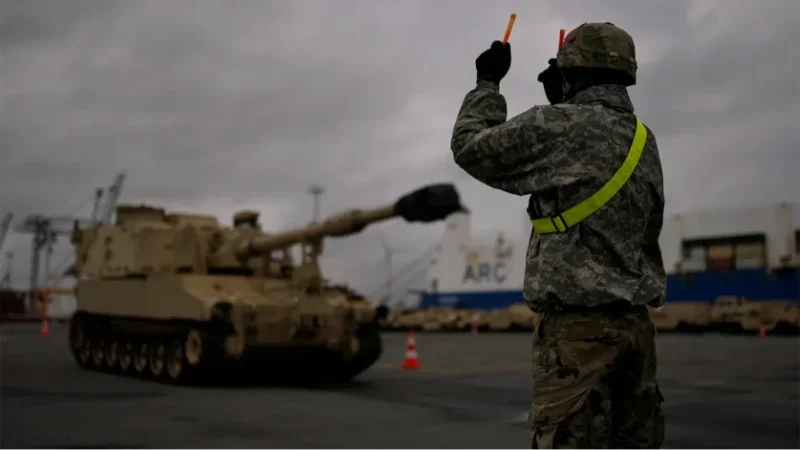
NATO countries are in negotiations about the establishment of "military corridors" within Europe, as part of a proposed system likened to a "military Schengen" (similar to the Schengen Zone). This was reported by the British newspaper The Times, which indicated that announcements regarding the outcomes of the negotiations may come before the alliance's summit in July.
The publication notes that NATO's senior generals have warned of the need to prepare for a hypothetical conflict with Russia. Alliance leaders believe that NATO has just three years to strengthen its defenses.
General Lieutenant Alexander Zolfrank, head of NATO’s Joint Logistics Support Command (JSEC), has called on allies to address the "bureaucratic hurdles" that complicate the movement of troops and equipment and prevent military personnel from using the armaments of other alliance countries.
The leaders of the North Atlantic Treaty Organization have been aiming to create a "military equivalent of the Schengen Zone" for several years. The confusion surrounding rules that restrict the exchange and transfer of military equipment between countries and various parts of Germany has become a "headache" for NATO planners, according to the newspaper.
Additionally, "headaches" associated with the overwhelming amount of paperwork often complicate cross-border exercises, which could be critical in times of military crisis. "I believe we can <...> reduce or customize the bureaucratic red tape wherever possible and necessary. <...> After all, we cannot afford to waste time," Zolfrank stated.
As an example of heavy regulations, he cited instances where paratroopers from certain countries are prohibited from using parachutes of other NATO member states.
Zolfrank had previously warned that NATO's "time is running out" to prepare for potential conflict. He emphasized that the North Atlantic alliance needs to be able to "quickly move forces from its bases to the right location on the eastern flank," underscoring the necessity for preparedness.
Նմանատիպ հոդվածներ
Ավելին Military բաժնից
ՏԵՍԱՆՅՈՒԹ. Պետերբուրգը թիրախի տակ. ուժգին հարվածներ ենթակառուցվածքներին
ՏԵՍԱՆՅՈՒԹ. Ուժգին հարվածներ ԱՄՆ-ի օբեկտներին. ԻՀՊԿ-ի սպառնացող հայտարարությունը

Քոչարյանը նշել է` որ արտահայտությունից հետո է սկսվել պատերազմը