Tom de Waal Points Out the Only Positive Action by Russians in Nagorno-Karabakh
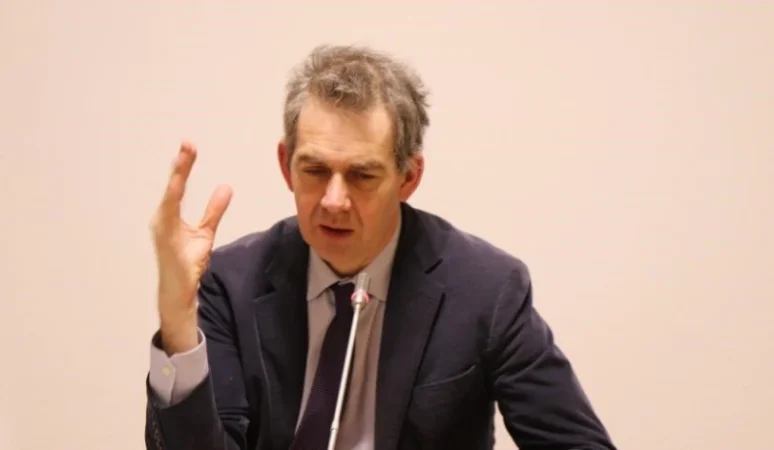
The only positive thing that the Russians have done is that the Armenians' exit from Nagorno-Karabakh has been peaceful. This was stated by Tom de Waal, a senior fellow at the Carnegie Endowment for International Peace and an expert on the Nagorno-Karabakh conflict, in an interview with Azatutyun, referring to the observation that the Russians, by their silence, effectively sided with Azerbaijan and even somewhat assisted Azerbaijan in the depopulation of Nagorno-Karabakh. For example, when Azerbaijan last attacked Nagorno-Karabakh, forcing its Armenian population to leave, reports from the villages indicated that initially, Russians came and tried to convince Armenians to lay down their weapons and simply flee to Armenia.
“It is clear that we have very little information. This is certainly part of high-level conversations between Presidents Aliyev and Putin, who, of course, have known each other very well for 20 years. I think we discussed the events surrounding the blockade of the Lachin corridor in the same context. Did Russia allow this to happen, or was it too weak? I assume it’s a combination of both. Russia is much weaker, and Azerbaijan exploited that. But, I certainly believe Russia could have anticipated such a large-scale operation, such significant actions; they could have seen the military preparations that preceded it. They had their information, they had their sources, and did nothing to prevent it. So, in some sense, I view this as a deliberate decision by Moscow to do nothing.
I think the only positive action by the Russians is that the Armenians' exit from Nagorno-Karabakh has been peaceful. Of course, there are people who died along the way, but there has been no violence from the Azerbaijani side. They facilitated the mass and peaceful exit of Armenians from Nagorno-Karabakh. But other than that, yes, they allowed this to happen. There are certainly many ties between Baku and Moscow,” de Waal stated.
Commenting on Armenia's steps to reduce its dependency on Russia and diversify its foreign relations, defense, and security policies, the expert said, “Let’s start with the fact that, of course, Armenia has always tried to diversify its foreign policy. This was the case in the 1990s under Ter-Petrosyan when it was called a complementary policy, with connections to Europe, the USA, and the Middle East. Russia was meant to be only one of many partners.
The military and economic dependency on Moscow increased significantly, especially during Robert Kocharyan’s era, when all economic assets were transferred under Russian control, coinciding with the expansion of the base in Gyumri, and so on. Therefore, that was the reality, and that dependency is still ongoing. Look at the numbers: over 80% of Armenia's gas still comes from Russia through Georgia; 90% of wheat comes from Russia. Clearly, trade with Russia remains crucial, and that trade happens through Georgian territory. When Russia closes the Lars checkpoint, it affects the Armenian economy.
All leverage points still exist, but undoubtedly, efforts are now being made to move away from that. I think some would say that it’s not being done very skillfully; perhaps it would be wiser to distance more from Russian dependency and speak less about it. But this government under Nikol Pashinyan seems to talk more and do less, which may not be very strategic, but this change is certainly underway now.”
Նմանատիպ հոդվածներ
Armenia's Participation in CSTO Exercises Clarified by Ministry of Defense
This is a Somewhat Dangerous Moment for Armenia: Thomas de Waal
How the Ratification of the Rome Statute Will Help Investigate Azerbaijan's War Crimes: Minasyan Explains
Armenia's Foreign Ministry on Mirrored Withdrawal of Troops from Armenia-Azerbaijan Border
Ավելին Politics բաժնից
Թրամփը Իրանի նկատմամբ «եռակի հաղթանակ» է տարել. ԱՄՆ նախարար
Իրանը ձեռնարկել է աննախադեպ անվտանգության քայլեր
ՏԵՍԱՆՅՈՒԹ. Ղարաբաղն ու Ուկրաինան փոխել են պատերազմի կանոնները․ Հունաստանի ՊՆ