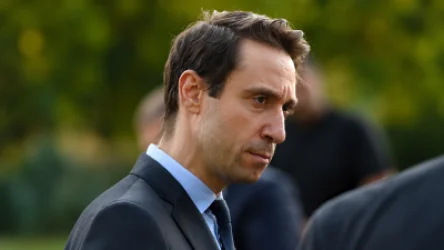
VIDEO: Officially, Armenia is Now Referred to as 'Western Azerbaijan' in Azerbaijan, Says Pashinyan
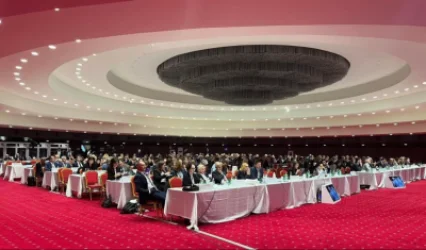
Prime Minister Nikol Pashinyan attended the autumn session of the OSCE Parliamentary Assembly at the Karen Demirchyan Sports and Concert Complex in Yerevan and delivered a speech. In his address, he discussed the peace process between Armenia and Azerbaijan.
“The good news is that the basic principles for peace with Azerbaijan have been agreed upon. This occurred through the mediation of the President of the European Council, Charles Michel, during my meetings with the President of Azerbaijan in Brussels. These agreements are recorded in the outcomes of trilateral meetings and in Charles Michel's statements of May 14 and July 15. The first principle of peace states that Armenia and Azerbaijan recognize each other's territorial integrity, understanding that the territory of Armenia is 29,800 square kilometers and that of Azerbaijan is 86,600 square kilometers. The second principle provides clarification for the first, stating that the political basis for the delimitation of borders between Armenia and Azerbaijan is the Alma-Ata Declaration of 1991. This declaration was signed by 12 republics of the Soviet Union on December 21, 1991. It includes two important stipulations: 1. The Soviet Union ceases to exist; 2. The 12 republics of the Soviet Union, including Armenia and Azerbaijan, recognize each other's territorial integrity, sovereignty, and the inviolability of existing administrative borders, which thus become state borders.
Based on this framework, there is a certain understanding between Armenia and Azerbaijan that the maps of the USSR Armed Forces General Staff from 1974 to 1990 should be used for the delimitation of borders. There is also an understanding that Armenia and Azerbaijan have no territorial claims against each other and are prepared to assume a legal obligation not to raise such claims in the future. This is also the reason we propose to Azerbaijan that there should be no troops on either side of the Soviet administrative border, and we are also addressing the issues of exclaves/enclaves. The exclave of Artsvashen, which is part of Armenia's sovereign territory, has been under Azerbaijani occupation for more than 30 years.
The next principle for peace with Azerbaijan is that regional communications must be reopened based on the principles of state sovereignty, jurisdiction, mutuality, and equality. This is extremely important because, as the Speaker of the National Assembly noted, peace, in our view, is a state where all countries in the region live with open borders, connected through economic, political, and cultural ties, and have a tradition of resolving all issues through diplomatic means and dialogue. Such a situation is at least very difficult to achieve without having active road, rail, and air communications. But that's not all; the countries in the region should also be connected in terms of cables, pipelines, and electrical lines. Thus, to ensure its share in all this, the government of the Republic of Armenia is presenting the 'Peace Crossroads' project, the brochure for which has been distributed to you, and today we have released a video providing a comprehensive picture of the 'Peace Crossroads'.
So, dear attendees, these were the good news regarding the peace process with Azerbaijan. What about the bad news? The most significant bad news is that we are still speaking different diplomatic languages and often do not understand each other. Of course, there are objective reasons for this: the longstanding conflict, the specific historical context, the thousands of victims, the families of whom are very difficult to look in the eye, the dozens of prisoners for whom there are no answers to their family members' inquiries, the decades-old atmosphere of hatred, and doubts that bad intentions are hidden beneath constructive statements. Moreover, what I am saying applies to both Armenia and Azerbaijan to some extent. However, Azerbaijan, for instance, has never made a public reference to the aforementioned three principles, nor has it reaffirmed its commitment to those principles, which deepens the atmosphere of distrust.
It also seems extremely suspicious that in Azerbaijan, at the highest patronage level and essentially at the official level, the Republic of Armenia has begun to be referred to as 'Western Azerbaijan'. This concept is being taught in schools, universities, and state media. This appears to us to be preparation for a new war, new military aggression against Armenia, and a significant obstacle to the progress of the peace process. We also do not understand Azerbaijan's stance on the systematic failure to return numerous prisoners, despite having long offered to resolve this issue with a solution tied to the peace agenda: everyone for everyone.
Nonetheless, dear attendees, the Republic of Armenia is committed to the peace agenda and the peace process, and the day before yesterday in my speech to the National Assembly of Armenia, I stated that we intend to intensify our diplomatic efforts to reach the signing of a peace treaty with Azerbaijan,” said Pashinyan. He also mentioned that Armenia is in dialogue with Turkey. “At least in the past, we have never had such active dialogue, although we still have not achieved success in establishing diplomatic relations. However, the normalization of relations with Turkey is a critical factor for the strategic vision of a peaceful, developing, and secure environment in our region, the South Caucasus. We hope to hear news soon about opening the Armenia-Turkey border for citizens of third countries and holders of diplomatic passports, which would be a significant symbolic step. We hope to make the South Caucasus a region that provides good news to the world, and the Republic of Armenia and I personally are ready to bear our share of responsibility to achieve this goal.
Նմանատիպ հոդվածներ
VIDEO: Why the Salaries of Artsakh State Employees Have Not Been Fully Paid, Says Minister

Protesters Greet OSCE PA Delegates with Shouts of 'Shame'
PHOTOS: OSCE Parliamentary Assembly Held in Armenia for the First Time
Photos: Azerbaijan Destroys 50-Meter Illuminated Cross in Stepanakert, According to Monumentwatch
Ավելին Politics բաժնից
Արդարադատության նախարարությունը կոչով դիմել է քաղաքական ուժերին
Դատախազությունը Բելառուս է ուղարկել Նվեր Ծառուկյանին ՀՀ իրավապահ մարմիններին հանձնելու միջնորդություն
ՏԵՍԱՆՅՈՒԹ․ Վերջ ենք տալու մեկ ամսից․ Սամվել Կարապետյան