The Topic of Enclaves Raised by Azerbaijan Lacks Any Legal Basis, Cartographer States
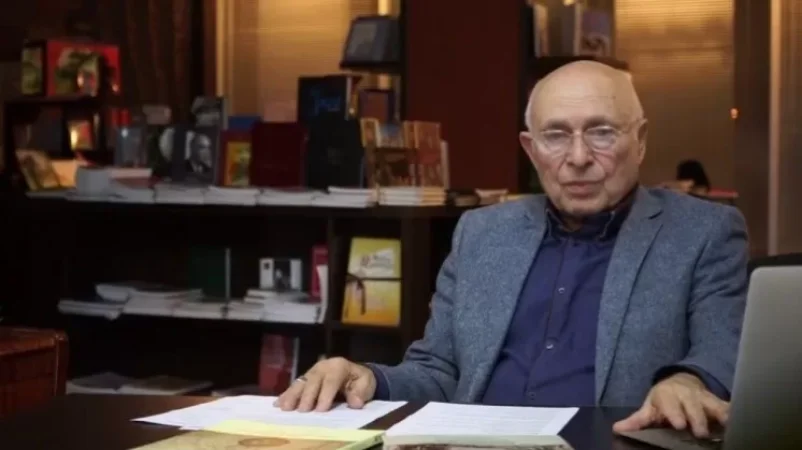
Azerbaijan has stated in the second article of its Declaration of Independence that it is the legal successor to Azerbaijan from 1918-1920; however, there were no enclaves during that period. Therefore, Azerbaijan must collect and return the unratified and forged maps to the former USSR military headquarters, which is now succeeded by the Ministry of Defense of the Russian Federation.
This was said by geographer and cartographer Ruben Galichyan during a discussion titled “Enclaves: What Do the Maps Say?” organized on the “Media Center” platform.
It should be noted that the President of the European Council, Charles Michel, communicated with Azerbaijani President Ilham Aliyev ahead of the meeting on Armenian-Azerbaijani normalization in Brussels. According to Azerbaijani and Russian media, during the conversation with Michel, Aliyev mentioned eight enclaves which, according to him, are “occupied by Armenia and must be liberated.”
Galichyan presented the 1926 USSR map, validated by the Ministry of Internal Affairs, which shows that there were no enclaves in either Armenian or Azerbaijani territories. Moreover, certain territories of the Armenian SSR, recorded on that map, were later transferred to Azerbaijan, covering an area of 1,200 square kilometers. This same map separated the Nagorno-Karabakh region from Armenia only by the Agavno River, and further adjacent territories were later transferred to Azerbaijan.
He also showed the 1932 USSR map, which likewise confirms that there were no enclaves in either country. These enclaves appeared in the 1940 map—two were in Tavush and another in Ararat Province, along with Artsvashen included within Azerbaijan. Although these enclaves were drawn, there are no documents regarding them, meaning there is no legal basis in our archives to support their establishment.
Despite this, Azerbaijan published an atlas in 2014 that included the enclaves located within the territory of Armenia, but there was no mention made of Artsvashen.
The Azerbaijani Foreign Ministry announced two years ago that if Armenia claims that the enclaves are its territory, then it must present an official document. However, this is essentially an opposing stance, as these territories are within Armenia, hence they belong to Armenia. If Azerbaijan claims any rights over these territories, it must provide legal grounds, which, in practice, do not exist. Notably, the total area of the three enclaves within our territory is 45 square kilometers, while Artsvashen alone covers 44 square kilometers.
Two years ago, Prime Minister Nikol Pashinyan referred to the topic of enclaves and spoke about possible exchanges, which is the easiest way to resolve the issue,” said Galichyan.
Aliyev has stated that he recognizes Armenia's territorial integrity, but he has not mentioned any specific figures regarding the area. He claims that if Armenia does not come forth with detailed demarcation and delimitation, they will consider the territories where Azerbaijani military personnel are stationed as their borders. If Aliyev wishes to sign any agreement, then first and foremost, according to Galichyan, he must return the territories occupied from Armenia since 2021, which cover approximately 240 square kilometers and are mainly strategically significant heights.
Galichyan also reminded that maps from the Soviet military headquarters have been validated with the participation of representatives from Armenia and Azerbaijan back in the 1960s-1970s, based on which the Alma-Ata Declaration was accepted in 1991. Currently, Azerbaijan presents maps that incorporate parts of the Black Lake and Ishkhanasar into Azerbaijan’s territory. These falsified maps have been distributed by Azerbaijan to its soldiers and border guards stationed at the borders.
When Prime Minister Nikol Pashinyan declared that the territory of Armenia includes 29,800 square kilometers, it signifies that the areas occupied by Azerbaijan are also included, which, incidentally, Azerbaijan has already recognized as sovereign Armenian territory in the 1991 declaration.
If the Azerbaijani side does not withdraw from certain parts of our sovereign territory, then how can we engage in negotiations? Azerbaijan’s long-term objectives are clear. If they have enclaves within Armenian territory, they will demand a corridor in the future to maintain land connectivity with those enclaves, which would have the same role as the so-called Zangezur corridor. On the other hand, it is evident that the Azerbaijani enclaves in Armenian territory are situated on strategically important highways, and if they are connected to Azerbaijan via corridors, Armenia will not have direct access to its southern regions, while the Ijevan-Noyemberyan road in the north will also be cut off.
Azerbaijan speaks in terms of power and hints at seizing these territories. If Armenia concedes, Azerbaijan’s appetite will only grow, and our neighbor will never stop, thus power can only withstand force through a show of counterforce. We must swiftly restore our armed forces to effectively defend our sovereign territories in the future,” concluded the speaker.
Նմանատիպ հոդվածներ
Creating the Meghri Route Will Connect Azerbaijan's Main Territory With Nakhchivan, Says Galuzin
The Nagorno-Karabakh Conflict Has Not Yet Concluded According to Russian Deputy Foreign Minister
The Embassy of Armenia in Israel Issues a Statement
Photos: No Foreign Nationals Participated in the Elections, Says Galjyan
Ավելին Politics բաժնից

Լատվիայի վարչապետը հրաժարական տվեց. դրոնները չէին խոցվել
«Հայաստան» դաշինքը հայտարարություն է տարածել
Կալանավորվել են «Ուժեղ Հայաստանի» օգտին ընտրակաշառքի գործով ձերբակալվածները