Photos: "Finding Food Had Become Nearly Impossible" - Testimonies from Displaced Armenians from Artsakh
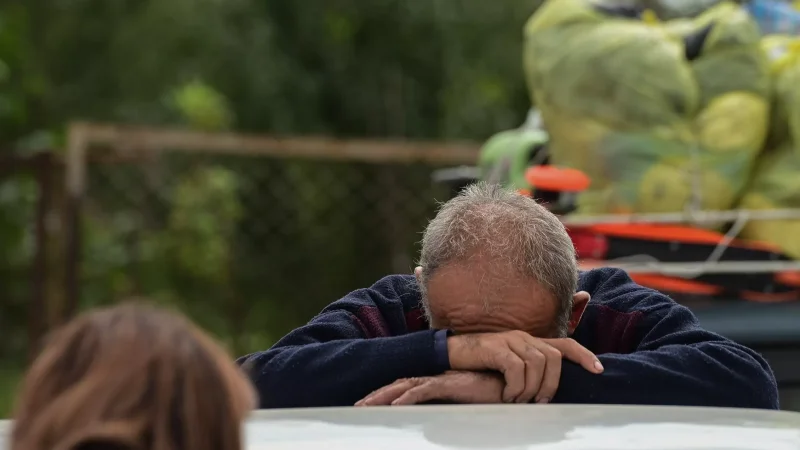
The coordination center for forcibly displaced individuals from Artsakh in Goris has been operating under significant strain for several days. The Armenian government, local authorities, representatives of the Red Cross, and numerous volunteers are making every effort to meet the needs of Armenians displaced by Azerbaijani aggression.
According to reports from Goris, displaced individuals from Artsakh are registering at the coordination center, where various accommodation options are being offered. Essential supplies, food, medicine, warm blankets, and wheelchairs are being provided to people in need. Those with health issues receive necessary medical assistance.
Various journalists from different countries have also arrived at the coordination center during these days. Representatives from foreign media, who had remained silent for months about the illegal blockade of Artsakh, are now trying to present the situation from Goris and document the unfolding humanitarian disaster to draw international attention.
Local residents of Goris are also offering assistance to the displaced Armenians. Many tables are set up in front of homes where warm meals are provided, prioritizing children, pregnant women, and persons with disabilities.
Many of the forcibly displaced individuals from Artsakh are reluctant to be photographed, preferring to communicate and converse without cameras. They particularly feel discomfort recalling how Azerbaijanis filmed and photographed everyone at the illegal checkpoint in Hakari.
Yelena Mirzoyan, a resident of Stepanakert and mother of three minors, lost her husband during the 44-day war, who fought as a volunteer and was killed in Martuni. When the first shelling began in Stepanakert this September, Yelena was at her workplace in the dermatovenerology dispensary. She recounts how she rushed home in terror, trying to find her school-aged children, but the mobile connection had already been cut off.
“Fortunately, my children returned home from school, and we went down to the shelter, where there was chaos. Everyone was terrified, crying in fear of possible explosions. We tried to calm the children,” Yelena recounted, noting that living conditions had truly become unbearable, and that when the opportunity arose to come to Armenia after the ceasefire, they decided to move with neighbors. “Residents of neighboring villages around Stepanakert were also being displaced. In cold weather, they simply had nowhere to live,” she remembers.
As with everyone being evacuated from Nagorno-Karabakh during these days, Yelena was also offered several accommodation options at the Goris coordination center. She has not yet decided where she will move.
Another displaced person, K.K., served for 11 years in the Artsakh Defense Army. When Azerbaijani aggression began, he was on combat duty with fellow soldiers, defending the villages of Shosh and Machkalashen. His wife was in Martuni with their newborn baby, where there was no gas, electricity, or heating.
“We had no way to heat water to bathe our newborn. Medical personnel were also being evacuated from the city, and there were no fever reducers or pain relievers in the pharmacies. Finding food had become nearly impossible. Basic living conditions were completely absent,” said the interviewee, who has also not decided whether to accept the accommodation option offered by the state or to go to stay with relatives in Masis.
Historian and sociologist Ishkhan Danielyan is from the village of Mets Shen in the Martakert region. He and his fellow villagers were literally rescued from shelling. The evacuation was efficiently carried out by the village administration with the help of Russian peacekeepers. A group of 40 relatives and friends reached Armenia, crammed into the back of a truck with only essential items and documents. Before Azerbaijani aggression, more than 250 residents lived in Mets Shen. After the ceasefire was established, everyone decided to move to Armenia.
“I am a member of the Russian Union of Sociologists and the International Association. I have thoroughly presented the situation in Artsakh to my colleagues. They cannot imagine what kind of atrocities are being committed against us. We are not thinking about returning, as Azerbaijan wants to completely subdue Artsakh, and we cannot live under Azerbaijani domination. I hope that the potential of the Artsakh Armenians will be utilized for the benefit of Armenia's development, as they can effectively integrate into Armenian society,” noted Danielyan.
Gagik Karapetyan is also from the village of Haterk in the Martakert region. He endured shelling for two consecutive days and went through unimaginable deprivation and difficulties. After the ceasefire was established, he decided to move to Armenia. Karapetyan reported that before Azerbaijani aggression, more than 1,700 people were registered in Haterk, but today everyone has been evacuated.
Նմանատիպ հոդվածներ
Weapons Were Laid Beside Me, They Said They Were Impatiently Waiting for Me in Baku: An Artsakh Man Reveals Details

The Ministry of Internal Affairs of Artsakh Issues a Statement
How Long Will Hotels Shelter the Forcibly Displaced? Responses from the Syunik Governor's Office
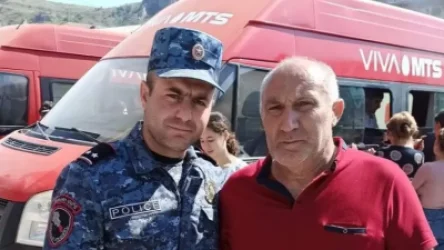
Commander of the Defense Army Karen Jalavyan (Kyokh) is in Armenia
Ավելին Society բաժնից

«Մուլտի գրուպ» -ի աշխատակիցները չեն հեռանում․ կառավարությունից սպասում են վճռորոշ պատասխանի
ԲԱՑԱՌԻԿ ՏԵՍԱՆՅՈՒԹ․ Կիլիկիայում հնչած կրակոցներն ու «ռազբորկան» տեսանկարահանվել է
Իրանում մահապատժի են ենթարկել «Մոսադի» հետ համագործակցելու մեջ մեղադրվող երկու տղամարդու