ECHR Rulings Could Indirectly Affect the Legal Resolution of the Nagorno-Karabakh Issue: Siranush Sahakyan
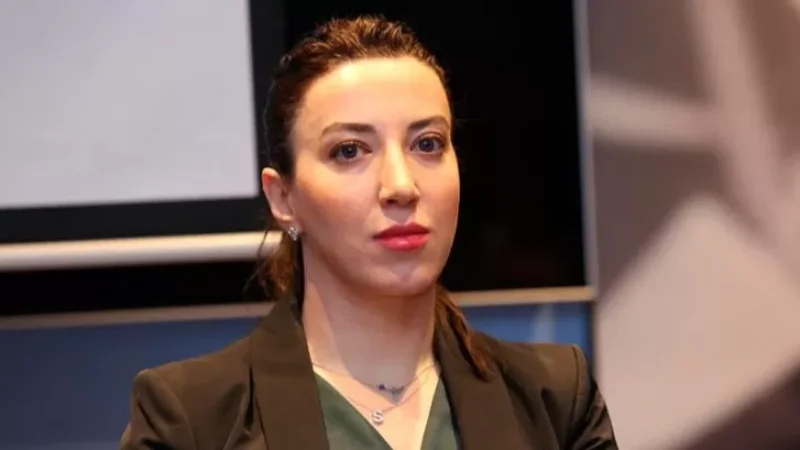
The President of the International and Comparative Law Center, Siranush Sahakyan, stated in an interview with Hetq that the complaints filed against Azerbaijan are not rendered irrelevant under new circumstances. According to her, although the Armenian authorities recognize Artsakh as part of Azerbaijan, the main subject of the complaints are human rights violations associated with the European Convention.
Political stances and the protection of rights are not directly related, and these complaints will not become irrelevant. “A different matter is that ECHR rulings could have an indirect impact on the legal resolution of the Nagorno-Karabakh issue. If the ECHR acknowledges through dozens, even hundreds of cases that Armenians have been tortured, killed, and abducted, and that these actions were carried out on ethnic grounds, in conditions of hatred and anti-Armenian sentiment, these would become significant bargaining chips that politicians could use in public discourse to mature the solution that Artsakh could not be recognized as part of Azerbaijan,” Sahakyan said.
In the new situation, the well-known thesis of “Separation for Survival” in international practice also loses its relevance. Sahakyan noted that now ECHR decisions can only have an effect from the perspective of human rights violations. “The recognition of Armenia, as we see, is accepted as a starting point and excludes the existence of a dispute. And under these conditions, the international community unconditionally accepts Azerbaijan's territorial integrity. In my assessment, these are irreversible processes, especially considering that there are already significant differences in diplomatic and military fields between Armenia and Azerbaijan. I do not believe that we will ever be able to resolve this issue solely through the application of legal mechanisms,” Sahakyan added.
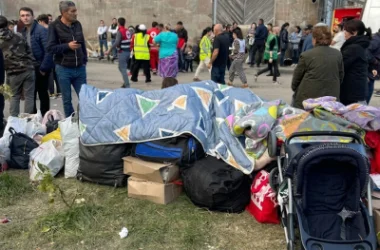
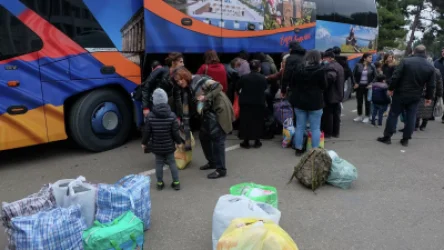
Following Azerbaijan's latest attacks on Artsakh from September 19-20, and the local authorities' decision to lay down arms, dissolve the defense army, and integrate with Azerbaijan, there has been a massive influx of residents from Artsakh into Armenia. The Lachin Corridor has been opened and Artsakh residents are forcibly leaving their homes in large groups.
“As for the issue of forcibly displaced persons, there must be deterrent mechanisms in place. If these crimes are not deterred, an important question arises regarding the accountability of politicians and perpetrators. The ECHR has the following approach: it deems return as an acceptable form of restoring a violated right. Only in cases where return is impossible does it consider compensation. From a human rights perspective, proper restoration of a right means returning the individual to their place of residence with safety measures,” stated the President of the International and Comparative Law Center.
Siranush Sahakyan pointed out that if we consider the ECHR cases “Chiragov and Others v. Armenia” and “Sargsyan v. Azerbaijan,” where the issue of return was directly addressed, it becomes clear that after nearly two decades, we have not made any progress even in less tense situations. “Therefore, practically I do not think that based solely on ECHR rulings, without appropriate political preconditions, it will be possible to implement effective mechanisms that would allow for the return of Artsakh citizens to their homeland,” Sahakyan stated.
It should be noted that these two cases pertain to issues of compensation or restoration of rights for refugees as a result of violations committing by Armenia and Azerbaijan. Specifically, the ECHR rulings in “Chiragov and Others v. Armenia” and “Sargsyan v. Azerbaijan” concern the return of the Chiragov family, of Kurdish descent from the Berdzor (Lachin) region of Nagorno-Karabakh, and the Sargsyan family from the village of Gulistan in the Shahumyan region under Azerbaijan's control to their homes and the restoration of their rights over property or fair compensation.
The aforementioned ECHR rulings were published in June 2015 and have already entered into legal force. The implementation of ECHR decisions is monitored by the Committee of Ministers of the European Council.
Sahakyan noted that the “Separation for Survival” option could have been implemented if the Artsakh residents had remained there and were placed in serious danger of protecting their identity and existence before their displacement. But if individuals are displaced, there is no mechanism for their return and a new separation to occur. “Now, there are truly no security mechanisms, and observations from the last 2-3 years indicate that arbitrary actions are not being restrained. Furthermore, international sanctions or measures of criminal accountability are not being applied in the context of Artsakh. This signifies a lack of global political will. Under these conditions, there is no alternative but to save lives through displacements,” Sahakyan added.
Նմանատիպ հոդվածներ

Weapons Were Laid Beside Me, They Said They Were Impatiently Waiting for Me in Baku: An Artsakh Man Reveals Details
The Ministry of Internal Affairs of Artsakh Issues a Statement
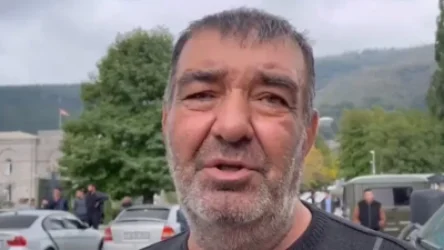
"If we were to stay, we would live with the Turk, we would not live" – Displaced Artsakh resident
Social Support Services Map Launched for Displaced Persons from Artsakh
Ավելին Society բաժնից
Փլուզում է տեղի ունեցել Երևան-Սևան ավտոճանապարհին․ մանրամասներ
Նոր մանրամասներ են հայտնի դարձել Արմեն Չարչյանի գործից

Միջին աշխատավարձը ՀՀ–ում և ԵԱՏՄ մյուս երկրներում. տվյալներ