Ararat Mirzoyan Presents Evidence and Armenian Expectations: Full Speech of the Foreign Minister
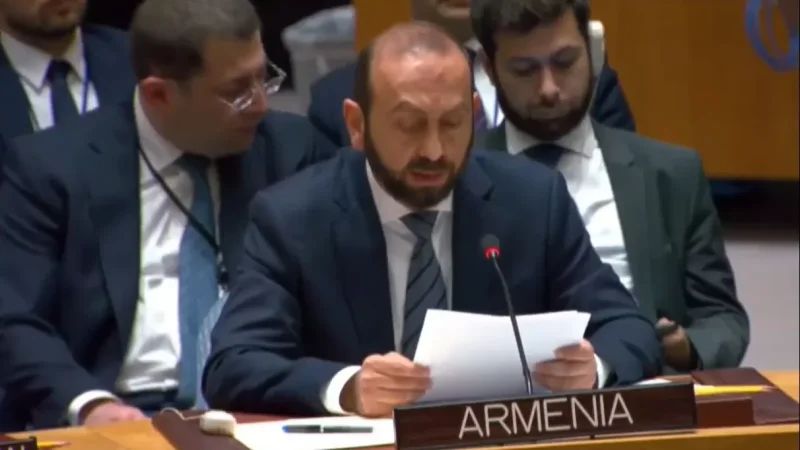
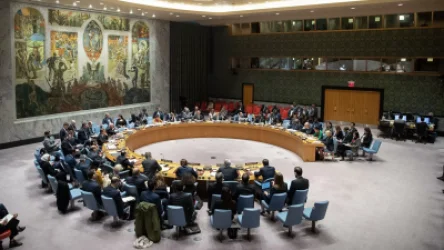
During an urgent meeting of the UN Security Council, the Minister of Foreign Affairs of the Republic of Armenia, Ararat Mirzoyan, made a statement in which he noted:
“Madam President, esteemed colleagues, I would like to express my gratitude to the Security Council for convening this emergency meeting to discuss the humanitarian situation in Nagorno-Karabakh, which has been created as a result of the 8-month blockade of the Lachin corridor, the only road connecting Nagorno-Karabakh to Armenia and the outside world.
Today, I am here to seek the support of this esteemed body for the preservation of the prospect of achieving just and comprehensive peace and stability in our region, which is seriously undermined by Azerbaijan through the induced humanitarian disaster in Nagorno-Karabakh.
Over the past two years, Armenia has spared no effort, with the support of the international community, to establish peace and stability in our region. And I believe that today we still have the opportunity to achieve this goal. However, the humanitarian situation in Nagorno-Karabakh may significantly worsen the prospects for peace throughout the entire South Caucasus region and beyond.
Ladies and gentlemen, today I would like to elaborate, asking you to judge not on the basis of justifications that you may consider true or false, but on the basis of values and facts. The Universal Declaration of Human Rights begins with the recognition of the inalienable dignity and equal and inalienable rights of all members of humanity as the foundation of freedom, justice, and peace in the world. Regardless of their place of residence, all people are endowed with the same rights and dignity and should be treated with the utmost respect and care even in times of war. Unfortunately, the people of Nagorno-Karabakh are deprived of such treatment, having found themselves under complete blockade.
Now let me present the events, facts, and figures that reveal the realities in the besieged Nagorno-Karabakh:
November 9, 2020. A trilateral statement signed by the leaders of Armenia, Russia, and Azerbaijan, according to which, under point 6, “The Lachin corridor (5 km wide), which will ensure communication between Nagorno-Karabakh and Armenia, will remain under the control of the peacekeeping forces of the Russian Federation.”
December 12, 2022. Azerbaijan blocked the Lachin corridor under a false pretext of environmental concerns. Since then, the gradual depletion of internal restricted supplies has led to a severe shortage of food and the closure of shops. Prior to the blockade, about 90% of consumable food was imported from Armenia, and the population of Nagorno-Karabakh is currently not receiving 400 tons of essential goods daily. There is a significant shortage of food, including baby food, flour, sugar, as well as medicines, fuel, and so on. Furthermore, due to the lack of fuel and the targeting of workers by Azerbaijan, almost all agricultural activities have ceased. As a result, nearly 10,000 hectares of land adjacent to the contact line remain uncultivated.
December 20, 2022. The UN Security Council discussed the issue for the first time, and the overwhelming majority of council members called on Azerbaijan to lift the blockade.
Since December 2022 and continuing into March 2023 (approximately 180 days in total), Azerbaijan has disrupted the only supply of natural gas to Nagorno-Karabakh. The cessation of gas supply has already led to a number of negative humanitarian consequences, such as: 1. disruption of hospital operations, 2. disruption of educational processes in schools and kindergartens, 3. disruptions in the operations of vital institutions and social services, 4. the inability of people to heat their homes with gas, 5. loss of access to hot water in many homes, 6. and lack of fuel for vehicles, etc.
From January 9, 2023, for more than 210 days, Azerbaijan has disrupted the supply of electricity via the only high-voltage line between Armenia and Nagorno-Karabakh. Since then, relying only on local electricity limited resources, Nagorno-Karabakh has been forced to implement power cuts for only a few hours.
On February 22, 2023, the International Court of Justice ordered Azerbaijan to take all necessary measures to ensure the smooth movement of persons, vehicles, and cargo in both directions through the Lachin corridor.
On April 23, 2023, Azerbaijan placed a checkpoint in the Lachin corridor, violating the decision of the International Court of Justice and the trilateral statement of November 9, 2020.
On June 15, 2023, Azerbaijan went further by completely closing the Lachin corridor, prohibiting any entry, even humanitarian, into Nagorno-Karabakh, including for the International Committee of the Red Cross.
On July 6, 2023, the International Court of Justice reaffirmed its decision of February 22, 2023.
On July 25, 2023, the ICRC, the only international humanitarian organization operating in Nagorno-Karabakh for over 30 years, stated: “Despite persistent efforts, the ICRC is currently unable to deliver humanitarian assistance to the civilian population via the Lachin corridor or any other route.”
On July 26, 2023, the Republic of Armenia sent a humanitarian convoy that remains at the entrance of the Lachin corridor, as the Azerbaijani side refuses entry.
On August 2, 2023, the UN Secretary-General reaffirmed his deep concern regarding the challenges related to free movement through the Lachin corridor, reminding of the necessity to implement the decisions of the International Court of Justice, “including the decisions of February 22, 2023, and confirmed on July 6, 2023, regarding the unhindered movement of persons, vehicles, and cargo through the Lachin corridor in both directions.” The Secretary-General then expressed particular concern regarding the deteriorating humanitarian situation on the ground and called for “urgent steps to facilitate the delivery of humanitarian aid to those in need.”
On August 7, 2023, a group of UN human rights experts, including the Special Rapporteur on the right to food, the Special Rapporteur on the right to education, the Independent Expert on the enjoyment of all human rights by older persons, and the Special Rapporteur on the rights of persons with disabilities, raised alarms regarding the ongoing blockade of the Lachin corridor by Azerbaijan and the horrible humanitarian crisis that
Նմանատիպ հոդվածներ

Ավելին Politics բաժնից
Հայաստանում ՌԴ դեսպանությունը հայտարարություն է տարածել․ ինչ է ասվում
Իրանը հանդես է եկել պաշտոնական հայտարարությամբ
Ռուսաստանը տնտեսական պատերազմ է սկսել Հայաստանի դեմ․ երբ հակահարված կտա Երևանը