WARNING: Do Not Collect Mushrooms While Relaxing in Nature or Camps
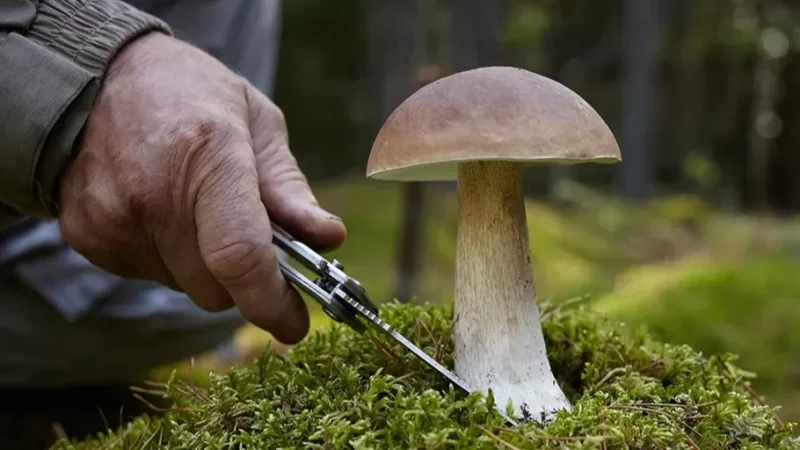
Mushroom poisoning mainly occurs due to the inability to differentiate between mushrooms or improper preparation, resulting in poisoning that can sometimes lead to death.
The National Center for Disease Control and Prevention warns that certain types of mushrooms can only be safely consumed after proper culinary processing. Poisonous mushrooms should never be consumed as they contain toxic substances that are not destroyed through cooking or processing methods such as boiling, drying, freezing, or pickling.
To avoid mushroom poisoning, it is recommended to: refrain from collecting mushrooms while relaxing in nature or at camps, avoid consuming mushrooms of unknown origin, not collect mushrooms from the edges of roads, not rely solely on pictures to differentiate between edible and poisonous mushrooms, as poisonous mushrooms often grow near edible ones and can look very similar, avoid eating raw mushrooms, do not feed mushrooms to children, individuals with gastrointestinal issues are advised not to consume mushrooms, avoid combining alcohol with mushrooms, do not store fresh mushrooms for more than one day even under refrigeration, and not to self-medicate.
Mushroom-related poisonings typically present with acute symptoms. The first signs of the illness may appear between 15 minutes to 72 hours after exposure. The main clinical symptoms include sudden abdominal pain, nausea, continuous vomiting, excessive sweating, drooling, dizziness, headaches, an unquenchable thirst, hallucinations without drowsiness, delirium, loss of consciousness, facial flushing, heart palpitations, feelings of fear, and signs of liver damage such as an enlarged and tender liver, jaundice, liver coma, and kidney damage.
At the appearance of the first signs, it is crucial to seek medical attention immediately.
Նմանատիպ հոդվածներ



Ավելին Society բաժնից

Երևանում ռուս մաթեմատիկոս է ձերբակալվել

Ալեն Ղևոնդյանին արգելվել է հրապարակումներ անել և հավաքների մասնակցել
Բացառիկ պատմական արժեք ներկայացնող նվիրատվություն՝ Մատենադարանին