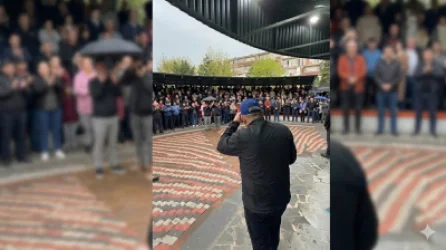
If Pashinyan Had Used the Term "I Am Ready to Recognize, If...", We Would Be in Different Negotiating Positions: Oskanian
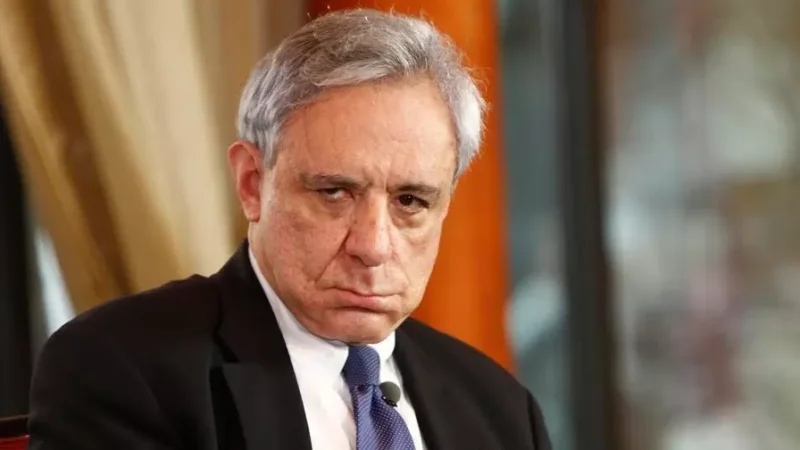
The former Minister of Foreign Affairs of Armenia, Vardan Oskanian, spoke about his recent proposal to break the deadlock in Armenian-Azerbaijani negotiations in a video posted on his Facebook page.
“In the last few days, there have been various discussions and differing opinions on this issue, which I consider healthy discussions that should continue. I reiterate my proposal; I am confident that it can be done, and as I said before, I am ready to take responsibility for advancing this matter. When I suggested that the authorities should remain silent during this period, I had no intention of offending or hurting anyone. I stated this based on the bitter experiences of recent years. Pashinyan is a person far removed from diplomacy; this is a fact, and there is no question of insult here. His education did not relate to diplomacy or geopolitical issues, and he lacks experience in such matters from his opposition activities, except for a few parliamentary visits; he has not had external communications. Pashinyan does not understand, and even today does not understand, the value of words in diplomacy, the importance of speech; even one word, if it is not said correctly or at the right time, can have negative consequences,” he said.
Oskanian referred to the statement made by Nikol Pashinyan regarding Artsakh being part of Armenia and nothing more. “Perhaps this was one of Pashinyan's most accurate political statements, but it was made in the wrong manner, in the wrong place, and at the wrong time; and this led to many negative consequences. In diplomacy, the accuracy of speech and its timely use, along with providing the correct packaging to issues, is of crucial importance. During the Cold War, the entire Western policy towards the Soviet Union was built on a single word: ‘containment,’ which maintained peace. During my tenure, we adopted a policy based on another single word: ‘complementarity,’ which also yielded positive results. I want to emphasize that speech is very important, and a wrong word can lead to war, while the right word can contribute to peace. My proposal to make a breakthrough in Armenian-Azerbaijani negotiations is based on such approaches; the changes I propose are very subtle, yet comprehensible to both the mediators and the opponents, and with some changes in emphasis, we can place negotiations on a completely different track.
“I will now enter into Pashinyan's line of reasoning; what I am about to say is not mine, it belongs to Pashinyan. What is Pashinyan trying to do today? He says he is ready to cede Artsakh in exchange for ensuring the territorial integrity of the Republic of Armenia—29,800 square kilometers. However, he is failing even at this because his starting point has been incorrect; he has spoken incorrectly there as well. Pashinyan has given such a qualification to the terms ‘recognize’ and ‘accept’ that he has left no room for a second interpretation. If he had simply said, ‘I am ready to recognize, if...’, believe me, Armenia would be in a better negotiating position, would get what it wants, and Pashinyan would have signed his dream peace agreement. But he is unable to do this because he started incorrectly. When you have not yet gone to negotiations, but you say ‘I recognize Artsakh as part of Azerbaijan,’ you give your opponent their most desired piece,” said the former foreign minister.
According to Oskanian, the authorities made the same mistake when they stated that the five points presented by Azerbaijan were ‘acceptable to us’; whereas, according to Oskanian, they could have said, ‘we acknowledge these points.’ “This is evidence of incompetence, and this does not only harm a group of people but an entire nation; the homeland suffers,” he said.
Oskanian believes that bringing the reality of the Nagorno-Karabakh Autonomous Oblast to the negotiating table will open new doors of opportunity for the Armenian side. “I want to ask Pashinyan: why aren’t you raising the issue of autonomy? If you are psychologically prepared to recognize Artsakh as part of Azerbaijan, shouldn’t those people who have lived in that area for millennia at least have the right to live there with an autonomous status? At least do this. I cannot do it, but you can, because this issue is in your hands. I am 100% confident that this can be done,” said former Foreign Minister Vardan Oskanian.
Նմանատիպ հոդվածներ
Լեռնային Ղարաբաղի բնակչությունը կանգնած է սովի մատնվելու իրական վտանգի առջև. ՀՀ ԱԳՆ
Pashinyan Has Held a Phone Conversation with Blinken
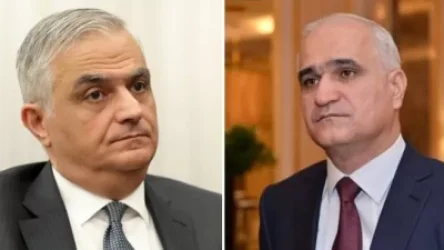
Armenia and Azerbaijan Deputy Prime Ministers Hold 4th Meeting on Border Demarcation
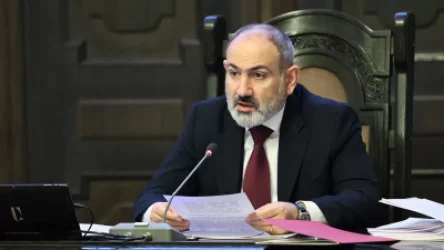
Baku-Stepanakert Dialogue is Very Important, Says Pashinyan
Ավելին Politics բաժնից
ՏԵՍԱՆՅՈՒԹ. Փաշինյանը կարող է այդ ասֆալտին մենակ հեծանիվ քշել կամ Ալիևին հրավիրել. Սամվել Կարապետյան
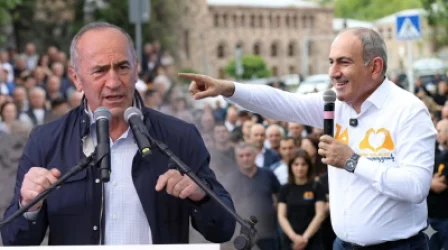
Քոչարյանը նշել է` ինչ կլինի Փաշինյանի վերընտրվելուց հետո
ՄԻՊ-ն անդրադարձել է քարոզարշավի պատճառով ուսումնական գործընթացի խաթարմանը