10,000 Trees at Risk of Drying Out in Sevan National Park as Disease Spreads Rapidly
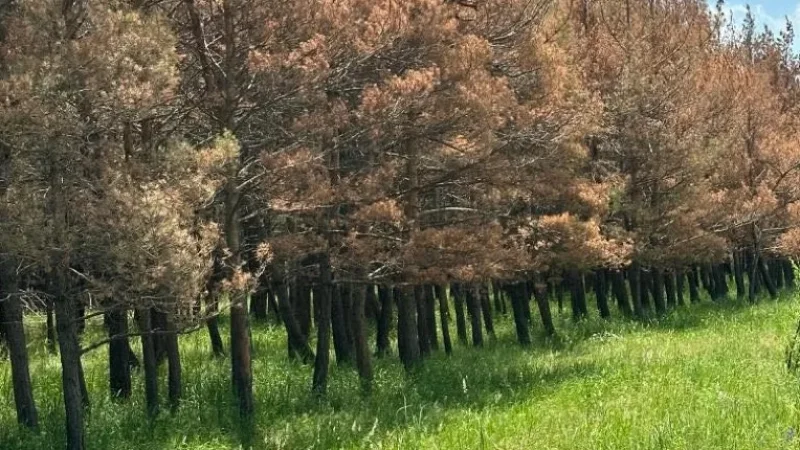
The Ministry of Environment reports that under the leadership of Minister Hakob Simidyan, discussions have been held regarding the issue of pine tree drying in the Sevan National Park, involving representatives from the Sevan National Park SNCO, the Hayantar State Non-Commercial Organization, the Hydro-Meteorological and Monitoring Center, the Inspection Body of Environmental Protection and Subsoil Management, and the Scientific Center of Zoology and Hydroecology of the National Academy of Sciences of the Republic of Armenia, as well as professional departments of the ministry and non-governmental organizations.
During the meeting, the agreements reached in the previous meeting and the work conducted since then were summarized. An urgent roadmap for combating the disease and existing international experience were discussed.
The Minister emphasized the importance of ensuring inclusivity in the decision-making process at every stage. The issue has been noted since 2017. Infected trees are drying out without showing signs of weakening, leading to tree falls and disrupting the tree canopy's connectivity, effectively turning into a sparse forest. Alongside this process, the normal regeneration of the pines in the affected areas has also been disrupted.
As a result of inventory and evaluation, it has been found that a significant number of trees, around 10,000, are also facing desiccation. The disease spreads rapidly. Samples taken from infected sites, tree wood, and soil have been studied in laboratories in Germany and Russia. Preliminary studies have confirmed the presence of nematodosis disease in that area. In the conclusion, it is noted as the most dangerous disease, with the key pest being the nematode, which spreads through beetles.
Նմանատիպ հոդվածներ

Targeted Movement of Equipment: Eraskh Factory Construction in Paralysis
International Court of Justice Reaffirms Decision on Lachin
Kidnapped Armenian Soldiers Sentenced to 11 Years and 6 Months in Azerbaijan
The Individuals in Question Were Not ICRC Employees: Organization Responds to Azerbaijani Accusations
Ավելին Society բաժնից
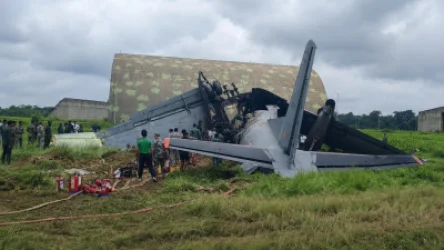
Զինծառայողներ են զոհվել․ Հնդկաստանում ռազմական ինքնաթիռ է կործանվել
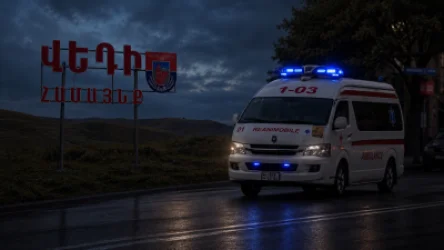
Արտակարգ դեպք․ Վեդիում 14–ամյա տղան հրազենային վնասվածքով տեղափոխվել է հիվանդանոց

ԱՄՆ-ն արգելել է օտարերկրացիներին օգտագործել «Անթրոպիկ» ընկերության արհեստական բանականության ամենաառաջատար մոդելները