Collapse of Kakhovka Hydroelectric Power Plant Will Have Severe and Long-Term Consequences: UN Warning
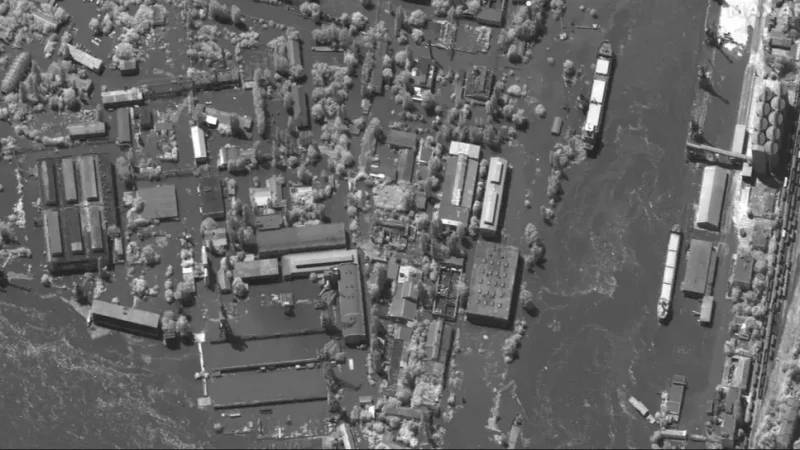
During the ongoing war in Ukraine, the collapse of the Kakhovka Hydroelectric Power Plant (HEP) in the partially Russia-controlled Kherson region could have severe and long-term consequences for thousands of people. This warning comes from the United Nations, as reported by Armenpress citing the BBC.
The UN Under-Secretary-General for Humanitarian Affairs, Martin Griffiths, indicated that the full extent of the disaster at the Kakhovka HEP will only become clear in the coming days. During a meeting of the UN Security Council on May 6, Griffiths warned that thousands of people are at risk of being deprived of their homes, food, and clean water.
Many have been evacuated from flooded areas, with concerns that water levels could continue to rise. Mass evacuations are still ongoing today. The BBC has released satellite images showing the scale of the flooding.
Earlier, Deputy Prosecutor General of Ukraine, Victoria Litvinova, stated that a total evacuation of 40,000 people is necessary, including 17,000 from the western bank of the Dnieper River in areas under Ukrainian control, as well as 25,000 from the eastern part controlled by Russia.
The Kakhovka reservoir supplies water to farmers and residents, as well as to the cooling basin of the Zaporizhzhia nuclear power plant. The International Atomic Energy Agency has noted that there is no threat to nuclear safety.
The Ukrainian State Administration of Hydroelectric Power Plants stated that the outflow of water from the reservoir, which is set to be emptied by June 7, will peak, with water levels expected to decrease 4-5 days later. Both Russian and Ukrainian sides are blaming each other for the collapse of the Kakhovka HEP.
Նմանատիպ հոդվածներ

Azerbaijani Forces Have Withdrawn from Certain Areas of Tegh Village: Syunik Governor
Close to 1 Billion Dram in State Procurement from Company Accused of Embezzling 256 Million Dram
ECHR Gives Azerbaijan Deadline to Provide Information on 2 Armenian Soldiers
Driver Fined €121,000 in Denmark for Speeding
Ավելին Society բաժնից
Հրդեհը կանխել են. մանրամասներ

Մահացել է գերությունից վերադարձած Կարլեն Ստեփանյանը
Քաղաքացի է որոնվում