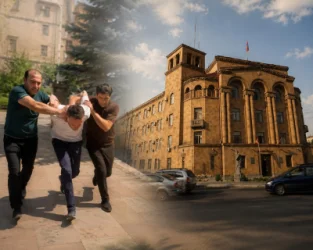
Sexual Harassment in the Workplace to Be Legally Prohibited in Armenia

On May 3, 2023, the National Assembly of Armenia adopted in the second reading and in full the law on amendments and additions to the Labor Code of the Republic of Armenia. The public organizations 'Crisis Center Against Sexual Violence' and 'Women's Resource Center' have actively worked with decision-makers over the past two years advocating for the definition, prohibition, and protection mechanisms against sexual harassment in the workplace.
This is stated on the Facebook page of the 'Crisis Center Against Sexual Violence': 'According to the adopted draft, the concepts of violence and sexual harassment in the workplace have been established, along with the employer's obligation to set a prohibition on sexual harassment through internal disciplinary rules (as a result of which the employer can hold the perpetrator of sexual harassment disciplinary liable). Additionally, arrangements have been set for providing special leave to those affected by harassment.'
Sexual harassment in the workplace has been defined as unwanted sexual acts that occur in the workplace or during business trips (for example, sexual propositions, touching) and that directly or indirectly affect a person's decisions regarding work (for instance, if the harassed individual rejects advances, they might be dismissed, overlooked for promotions, or have their salary reduced) or create a working environment that undermines dignity or incites social isolation.
We express our gratitude to the members of the National Assembly, Zurab Batoyan and Heriknaz Tigranyan, for bringing women's voices to the NA podium and advancing these crucial legislative changes. At the same time, we are concerned that sexual harassment has not been enshrined as a basis for termination of employment in the law. This means that an employer will not have the right to dismiss someone who has committed sexual harassment. We propose that in future revisions of the Labor Code, stricter sanctions for sexual harassment be considered, as well as the establishment of clear mechanisms for victims to lodge complaints.'
Նմանատիպ հոդվածներ

20-Year-Old Narek, Who Died Yesterday, Had 50 Days Until His Discharge

Free Food Was Not Provided, It Was Sold. Airline Changes Name and Flight Number: 'Hraparak'

What Model Should Monitor the Nakhchivan Railway? Kerobyan Clarifies

Sarsang's Water Resources Have Reached Critical Levels, Says Artsakh State Minister
Ավելին Society բաժնից
Հայաստանի մասին նոր զեկույց․ ուշագրավ մանրամասներ

Մայր Աթոռ Սուրբ Էջմիածինը հայտարարություն է տարածել
Հորդառատ անձրևները կվերսկսվեն. հնարավոր է նաև կարկուտ, քամու ուժգնացում