Sarsang's Water Resources Have Reached Critical Levels, Says Artsakh State Minister
The State Minister of Artsakh, Gurgen Nersisyan, has issued a statement regarding the energy, economic, humanitarian, and environmental terrorism carried out by Azerbaijan in relation to the Sarsang reservoir.
The statement reads: “In the context of the ongoing blockade of the Republic of Artsakh for 146 days, since January 9, Azerbaijan has disrupted the electricity supply from Armenia to Artsakh through the only high-voltage power line, acting out energy, economic, humanitarian, and environmental terrorism, causing additional difficulties and suffering for the people of Artsakh.
As before, during the blockade of Artsakh, Azerbaijan has repeatedly disrupted and, since March 22, has also completely blocked the gas supply through the only pipeline from Armenia to Artsakh, which has led to serious humanitarian and economic issues, as well as an unavoidable increase in internal electricity production and overloading of electricity supply systems.
In such conditions, the Republic of Artsakh is forced to rely solely on its internal electricity production infrastructure, consisting of six hydropower stations, with the Sarsang reservoir hydropower station accounting for approximately 70 percent of the total capacity. Prior to the disruptions to electricity supply by Azerbaijan, the internal production of Artsakh covered about 30 percent of the demand; as of January 9, to meet the minimum energy demands, the government of Artsakh has had to implement a series of additional measures, including halting the activities of all major economic enterprises, daily rotational power outages, and operating all hydropower stations at maximum capacity.
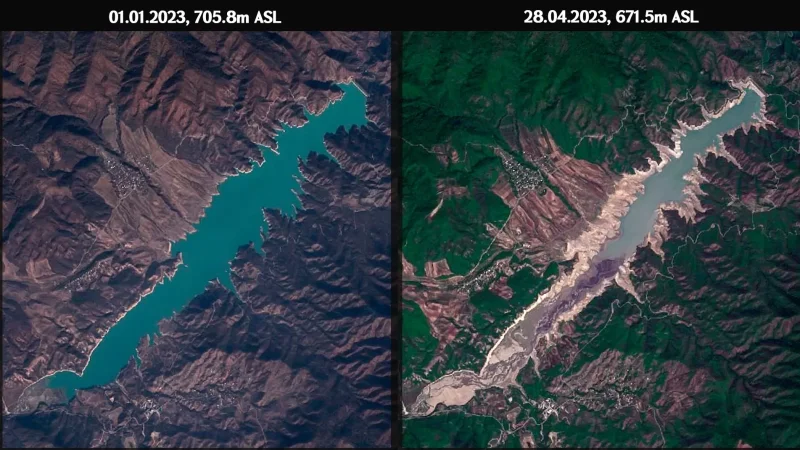
As a result, a number of humanitarian and household difficulties have emerged, as well as serious environmental issues associated with the rapid depletion of the Sarsang reservoir's resources. From January 9 of this year to date, approximately three times more water has been released from the Sarsang reservoir to ensure the minimum electricity production compared to the same period last year, while the water inflow has been about twice as low, attributed to the dryness of the current year’s climate. Currently, the water resources of Sarsang have reached critical levels—about 88 million m³ (around 15% of total capacity), approaching a dead (non-usable) volume of approximately 70 million m³.
This situation not only endangers the prospects for electricity supply to the population of Artsakh and deepens the suffering of its people but has already caused significant negative impacts on the environment, including the drying up of springs, deterioration of the microclimate, and extinction of flora and fauna species. The failure to immediately regulate this situation and restore normal electricity supply in Artsakh will inevitably lead in the short term to a sharp exacerbation of the aforementioned energy, economic, humanitarian, and environmental problems, ultimately resulting in a humanitarian disaster.
It is noteworthy that since the time of independence, unlike the Soviet years, the water from the Sarsang reservoir has only been used for the irrigation of agricultural lands in Azerbaijan (about 96,000 hectares), as Azerbaijan has always kept the canal that irrigates Artsakh's lands blocked. However, by deliberately and criminally disrupting the electricity supply from the Republic of Armenia to Artsakh, provoking an artificial energy crisis, and forcing the Artsakh side to actively utilize the severely limited water resources of Sarsang, Azerbaijan, in fact, is subjecting the people of Artsakh to energy, economic, and environmental terrorism, while also depriving its own population of sufficient irrigation water from the Sarsang reservoir during the hot summer months.
In essence, this is also one of the criminal purposes for which Azerbaijani government agents, or 'eco-terrorists' in civilian clothing, have been so vigorously combating the people of Artsakh under blockade. Standing at the brink of depleting the water resources of Sarsang and the internal electricity production capabilities of Artsakh, as well as the looming threat of humanitarian disaster, we once again call on the international community, relevant international organizations, governments of countries, and all individuals truly concerned about the rights and security of the people of Artsakh, not to ignore this disastrous energy, humanitarian, environmental, and economic situation and to take immediate action to compel Azerbaijan to abandon such medieval, terrorist, and cruel behavior towards both people and the environment.
Attached are satellite images of the Sarsang reservoir taken on January 1, 2023, and April 28, 2023, showing surface elevations of 705.8 meters and 671.5 meters above sea level, respectively.
Նմանատիպ հոդվածներ

Ավելին Society բաժնից

«Մուլտի գրուպ» -ի աշխատակիցները չեն հեռանում․ կառավարությունից սպասում են վճռորոշ պատասխանի

ԲԱՑԱՌԻԿ ՏԵՍԱՆՅՈՒԹ․ Կիլիկիայում հնչած կրակոցներն ու «ռազբորկան» տեսանկարահանվել է
Իրանում մահապատժի են ենթարկել «Մոսադի» հետ համագործակցելու մեջ մեղադրվող երկու տղամարդու