Poultry Farmers Raise Alarm: Cheap Chicken Meant for Freezing Imported from Georgia and Sold as Fresh
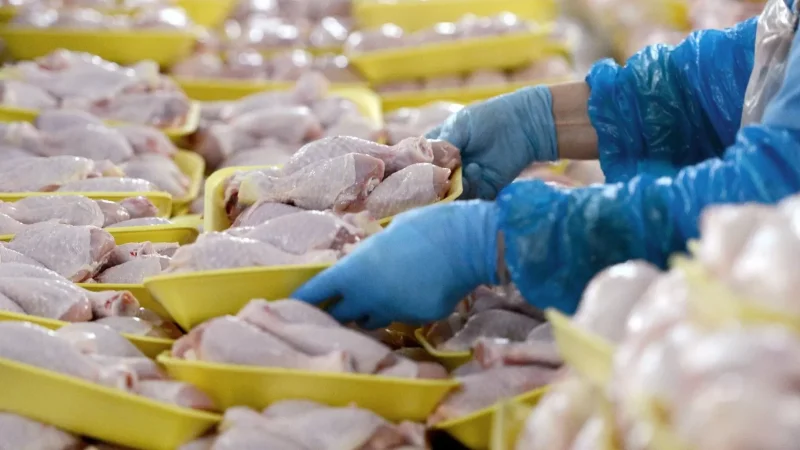
Frozen chicken is being imported from Georgia to Armenia, being sold under the guise of fresh-frozen meat. Local producers have raised this alarm with Hetq.
The shelf life of fresh-frozen chicken lasts 48-72 hours from the time of production (48 hours for portions, and up to 72 hours for whole birds, with a storage temperature of -1 to +4°C). Anything held beyond that is then frozen. In the market, fresh-frozen chicken is sold at higher prices compared to frozen chicken.
According to local producers, frozen chicken imported from Georgia arrives in Armenia and is sold as fresh-frozen meat after defrosting. They complain that the import of cheaper, doubtfully safe, chemically enhanced frozen chicken, which is significantly heavier, creates an unfair competitive environment for them. This situation has been ongoing in the market for a year.
“That chicken is imported to Armenia under a state-provided quota, with a 0% customs duty and without VAT. The Unified Customs Tariffs of the EAEU do not apply here due to the quota system. It turns out that Armenian-produced frozen chicken has a maximum shelf life of three days, while the imported chicken, despite actually being frozen and sold within 10-15 days, is cheaper,” says Sergey Stepanyan, President of the Poultry Farmers Union, in an interview with Hetq.
In this situation, on one hand, consumers are misled into thinking they are buying fresh chicken when it is actually frozen, and on the other hand, local producers are suffering. Members of the union and specialists from the State Food Safety Service have conducted monitoring and observations in stores and found that the labels on most imported Georgian chicken do not indicate either the production date or the producer. Only some stores note that the label states 'Georgian.'
The Poultry Farmers Union consists of 18 producers, including major and well-known chicken meat manufacturers. In conversations with us, they mention that they have repeatedly raised concerns, written letters, and met with Minister of Economy Vahan Kerobyan and Deputy Minister Arman Khojoyan, as well as with the leadership of the State Food Safety Service, making proposals to regulate the situation in the poultry market legally; however, the resolution of the issue is deemed to be artificially delayed.
“Importing has become more profitable as a business. In EAEU countries, the lowest import duties for poultry meat is 20%, which is correct as it protects local producers. In Armenia, the opposite approach applies— the customs duty is zero. Over the past year, two businesses importing chicken from the Georgian producer 'Chirina' (as authorized persons) have found themselves in an especially privileged situation, benefiting not only from a zero rate but also importing chicken under the guise of fresh-frozen,” notes Sergey Stepanyan.
Just days ago, we also checked the prices and labels of fresh-frozen chicken sold in stores. In the sections containing fresh-frozen meats, all local meat labels indicated the producer's name in every case. In the case of packaged products, the production date, producer's name, address, and more were also specified. Next to the same fresh-frozen, the Georgian chicken was 'positioned.' Mostly, the label stated 'Georgian,' but there was no production date, and it was packaged only in disposable polyethylene bags. In only one supermarket did a label specify that it was Georgian chicken, with the packaging date listed and an expiration of 5 days.
Continuation available on the source website.
Նմանատիպ հոդվածներ




Ավելին Society բաժնից
Հայաստանի մասին նոր զեկույց․ ուշագրավ մանրամասներ

Մայր Աթոռ Սուրբ Էջմիածինը հայտարարություն է տարածել

Հորդառատ անձրևները կվերսկսվեն. հնարավոր է նաև կարկուտ, քամու ուժգնացում