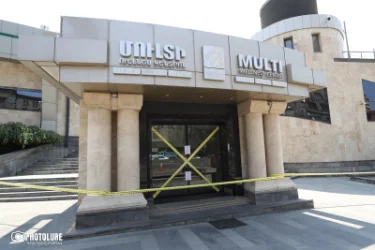
Artsakh in Blockade for 132 Days: What Challenges Face the Armenian Community?
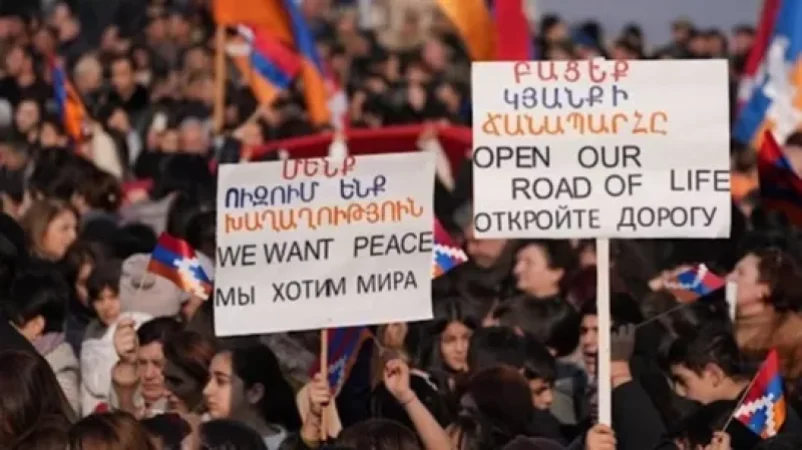
Due to the suspension of planned surgeries in all medical facilities in Artsakh, approximately 1,130 citizens have been deprived of the opportunity to resolve health issues through surgical procedures, with the number increasing by 30 cases over the last three days, reports the Information Headquarters of Artsakh.
To date, 337 patients have been transferred from Artsakh to Armenia under the mediation and accompaniment of the International Committee of the Red Cross for appropriate treatment. However, it is not possible to transfer patients who are lying down, as the Azerbaijani side obstructs the movement of Artsakh's ambulances, and the Red Cross does not have ambulances, using regular cars to transport patients, all of whom must sit.
As a result of the blockade, about 3,900 individuals, including 570 children, have been unable to return to their homes; some have already returned with the support of the Red Cross and Russian peacekeepers.
No citizens have traveled freely along the Stepanakert-Goris highway, and the instances of bilateral movement of people have decreased by approximately 185 times, with the only remaining movements occurring with the assistance of the Red Cross and Russian peacekeepers (in 131 days, there have been 1,734 entries and exits instead of 320,950, with an increase of 29 cases over the last three days).
No vehicles belonging to the citizens of Artsakh have crossed the blocked roads, and the movement of vehicles from the Red Cross and Russian peacekeepers has been nearly 50 times less than what it should have been without the blockade (2,421 entries and exits instead of 120,520 in 131 days, and only by the Red Cross and Russian peacekeepers). This indicates that only 27 entries and exits of vehicles have been recorded over the last three days.
About 12 times fewer essential goods have been imported only by the Red Cross and Russian peacekeepers than would have actually been without the blockade (4,247 tons instead of about 52,400 tons in 131 days, with only 73 tons in the last three days).
During the blockade, Azerbaijan has completely or partially interrupted the gas supply from Armenia to Artsakh for a total of 65 days, and the electricity supply has been fully disrupted for 102 consecutive days. This has led to daily rotational and additional emergency outages and the closure or scaling down of many institutions.
860 economic operators (20.1% of the total) have suspended their operations due to the impossibility of functioning under the blockade conditions, while the remaining operators are working at partial capacity or with state support.
Due to the blockade and the disruption of essential infrastructure, since the beginning of the blockade, approximately 10,300 people have lost their jobs and sources of income (including cases of temporary job preservation with state support), which is more than 50% of private sector workers.
The construction of 32.6 kilometers of road, dozens of kilometers of water lines, irrigation systems for thousands of hectares, 3,717 apartments, and more than 40 social and production infrastructure has halted.
During the blockade, about $250 million has been inflicted in damages to the economy of the Republic of Artsakh, leading to nearly 28% shortfall in the projected annual GDP figure ($903 million).
Նմանատիպ հոդվածներ

Vardan Voskanian on the Expansionist Aspirations of Baku's Barbaric Regime Towards Armenia
Loss of homeland due to defeat is one thing, willingly giving up one's homeland is another - Babayan
Alen Simonyan Appeals to Russia Over Azerbaijan's Checkpoint Installation in Lachin Corridor
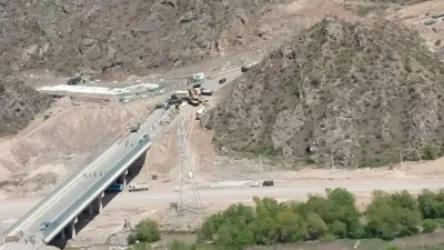
Azerbaijan Violates Provisions of Tripartite Fundamental Document: Artsakh Prime Minister
Ավելին Politics բաժնից
Բուլղարիայի վարչապետը հայտարարել է Ուկրաինային աջակցող «կոալիցիայից» դուրս գալու մասին
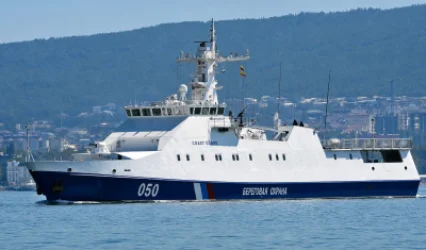
Նովոռոսիյսկի մոտ ուկրաինական ռազմածովային ուժերը խորտակել են ՌԴ ԱԴԾ-ի սահմանապահ նավը
Լավրովը հայտարարել է, որ ԱՄՆ-ի կողմից Իրանի դեմ հարվածների վերսկսումը խախտում է հուշագիրը