Every Concession on Artsakh Makes Armenia More Vulnerable: Azerbaijani Expert
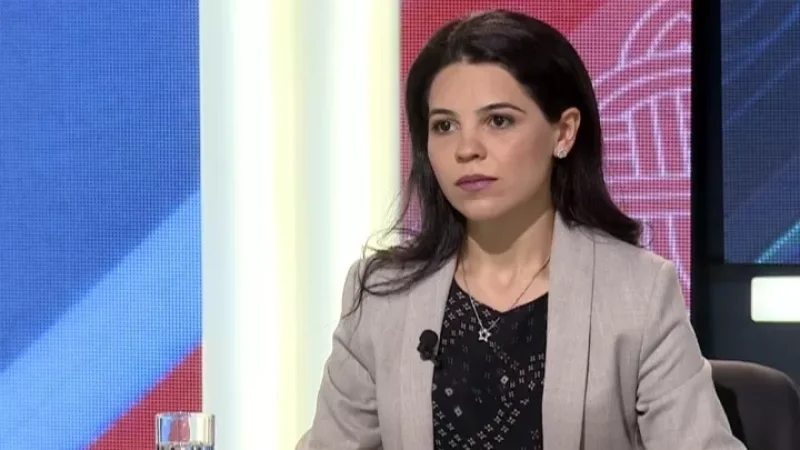
In an interview with Hraparak, historian and Azerbaijani expert Tatevik Hayrapetyan discussed a series of controversial statements made by Prime Minister Nikol Pashinyan in the National Assembly yesterday. He spoke about recognizing Azerbaijan's territorial integrity, stating that if we recognize the area of 29,800 square kilometers as Armenia, we will never have demands from another country. What was the purpose of this statement?
“This is neither Pashinyan's first nor last similar statement. His words and distortions regarding the negotiation process, the ongoing manipulations have one clear aim: to create an 'alibi' for handing over Artsakh. He tries to show two things: first, that the previous leaders have already handed over Artsakh and he cannot change anything, and second, that if he does not relinquish Artsakh, he will put Armenia at risk. A logical question arises concerning the first point: if the previous leaders were giving up Artsakh, why did Aliyev refuse the proposed Madrid Principles or the Kazan Document? Didn’t he want to take Artsakh? It is clear that such matters have never been discussed; rather, the discussions have focused on the international recognition of the right of the people of Artsakh to self-determination. The second assertion, that if we do not hand over Artsakh, we will endanger Armenia, does not hold up to scrutiny. Aliyev directly states that he has claims on Syunik, Gegharkunik, and even Yerevan. Every concession regarding Artsakh has made Armenia more vulnerable. In September 2022, Armenia was attacked from areas surrendered to Azerbaijan—Karvachar, Lachin, and other regions.
Another point to mention is that Pashinyan made these comments during the presentation of the report on the implementation of the government program (2021-2026) in 2022. If we open the five-year government program he came into power with, it clearly states regarding the issue of Artsakh: 'In the coming years, the main task of the government should be to ensure the security of the people of Nagorno-Karabakh and to achieve a peaceful and comprehensive resolution of the Nagorno-Karabakh conflict. The final resolution of the Nagorno-Karabakh conflict is viewed by the government within the framework of the co-chairmanship of the OSCE Minsk Group, with the clarification of the final status of Nagorno-Karabakh based on known principles and elements, including the right to self-determination...' Is it normal for them to disregard their electoral program and the government’s five-year plan? Can the 'peace agenda' be interpreted anew every day? They came in with a clear program; let them explain why they have not implemented it and resign rather than make statements and actions that contradict the interests of Armenia.
Aliyev has presented ultimatums: 'Armenia, which once said that “Karabakh is Armenia, and that's it”, should today repeat our words: “Karabakh is Azerbaijan.” Why does Aliyev speak this way? Because he understands that he is dealing with a weak and unwilling leader who is ready for continuous compromises. What better opportunity is there for a tyrant like Aliyev? According to his logic, if they concede, then he must demand more and not stop at what has been obtained. On the other hand, Aliyev sees that he can act with impunity, ignoring international law and not being held accountable for it. This mix makes Aliyev increasingly aggressive, uncontrollable, and bold in his statements and actions. World history has shown that tyrants who step outside international law later become a calamity for the entire world.
Aliyev also mentioned that one must be prepared for everything, hinting at military actions.
“Certainly, that’s why he is working so hard on the strengthening of the army. He has never prepared for peace, neither before nor after the 44-day war. Hatred towards Armenians and ongoing aggression are the main pillars of his power. He will not give up on these two factors, at least as long as he does not receive a satisfactory response and does not find himself under international sanctions.”
A few days ago, there was a tense situation in the village of Teg, resulting in four casualties. Do you predict large-scale military operations in the near future?
“I have the impression that until the end of the elections in Turkey, Azerbaijan's main target will be Artsakh. After that, they plan to take actions against Armenia, as their plans to connect with Turkey through Armenian territory are still in effect; they have not abandoned them and are working in that direction.”
What kind of response do Pashinyan's statements receive in Azerbaijan?
“What can I say? They are happy, but they also do not believe him. They do not trust Pashinyan either, although he has seemingly fulfilled many promises given to them. They are encouraged by this and demand more. Thus, the peace process becomes a deadlock, and as a result, the risk of war increases. No matter how strange it sounds, Pashinyan's conciliatory steps or the 'peace agenda' only increase the risk of aggression against our country. Every piece of land conceded provides Azerbaijan with a favorable position for firing at us.”
Նմանատիպ հոդվածներ
"I learned about this from a letter by Serzh Sargsyan, which is preserved in the archive under a top-secret classification". Pashinyan
Azerbaijan's Behavior and Actions Have Been Provocative: Pashinyan
Artsakh President Welcomes Newly Appointed Commander of Russian Peacekeeping Forces
There is a chance for peace between Azerbaijan and Armenia: French Foreign Minister
Ավելին Politics բաժնից
Իրենք ոչ ընտրվել են, ոչ էլ՝ հաղթել. Իշխան Սաղաթելյան
Ավելի լավ կլինի, եթե ընդդիմությունը չգա խորհրդարան. Ռուբինյան
Մոսկվան պահանջում է Եվրոպայից հեռացնել ամերիկյան միջուկային զինանոցը