Sevan Crayfish on the Brink of Extinction: Plans to Cultivate Australian Crayfish Species
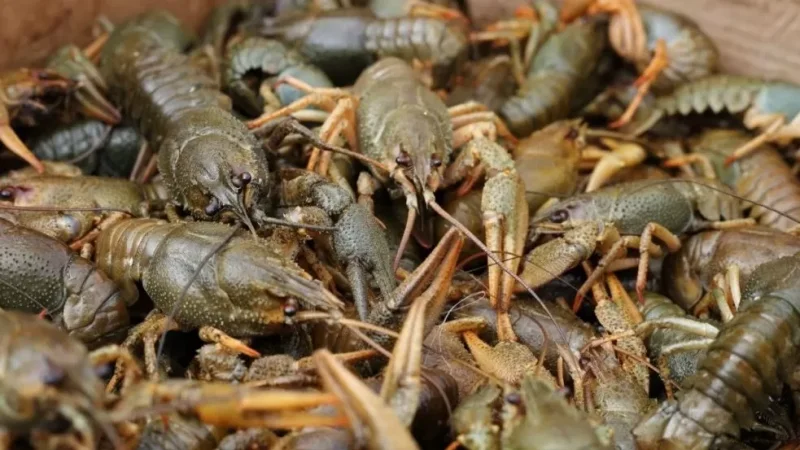
The government plans to increase crayfish production in Armenia to 162 tons by 2026. An expert considers the figures outlined in the government program realistic if the Australian crayfish species is cultivated.
Cultivating crayfish commercially in Armenia is feasible, but not through local species. This perspective was shared by Evelina Ghukasian, head of the Institute of Hydroecology and Ichthyology at the National Academy of Sciences, during an interview with Sputnik Armenia regarding the government's plan for crayfish farming development from 2024 to 2026, which was approved on April 13.
According to the government-approved program, it is planned to establish 18 modern crayfish farms of large, medium, and small sizes in Armenia by 2026, which will result in an annual production of 162 tons of crayfish by that year.
“According to the government’s decision, the main focus will be on breeding the redclaw Australian crayfish, which has a significant demand worldwide. We can purchase the larvae of this crayfish from our neighboring countries, which have a relatively low production cost, and in 9 months, these crayfish can reach a market-acceptable size of up to 65 grams. Due to this species' rapid growth, it can attain considerable size in a short period,” Ghukasian stated. In contrast, the Armenian long-clawed crayfish reaches similar sizes in three years.
Therefore, Ghukasian considers the targets outlined in the government program realistic under the context of breeding the Australian crayfish species.
Looking ahead, the government hopes that through the development of artificial crayfish farming, it will be possible to restore the local crayfish natural resources, which are on the brink of extinction due to uncontrolled fishing. The expert also hopes that commercial breeding will alleviate the pressure on crayfish in natural reservoirs, particularly Lake Sevan.
“We hope that once crayfish is grown in our farms and sold in stores, people will prefer to buy this crayfish, thus easing the pressure on the population of Lake Sevan crayfish,” Ghukasian added.
However, fishing is not the only enemy of Sevan crayfish. According to Ghukasian, since 2018, a fungal disease has spread among crayfish in Armenia, which has persisted for five years.
“The disease is not dangerous to humans. However, it deprives the crayfish of its market value. In addition, many small animals have remained in the lake. The larger ones were quickly destroyed because their molting occurs more slowly, while smaller ones can undergo this process five times a year. Even if the crayfish is infected, they manage to molt,” the expert explained.
Due to the disease and fishing pressures, only small-sized crayfish remain in Sevan, with the population dropping from 4,000 tons to just 100 tons.
This circumstance allows Ghukasian to hope that the small and rarely encountered crayfish will not attract poachers, and the species will successfully overcome the disease naturally, grow, and reproduce.
The article published by the media notes that the most suitable place for Australian crayfish is the Ararat Plain.
Regarding plans to cultivate Australian crayfish in Armenia, the expert points out that unlike the Armenian crayfish, they do not thrive in cold waters. The water temperature in artificial farms for this species should be between 10 and 26 degrees Celsius. Thus, the Ararat Plain is deemed the optimal area for establishing breeding farms.
Նմանատիպ հոդվածներ



Ավելին Society բաժնից

Ադրբեջանի և Թուրքիայի քանի՞ քաղաքացի է գույք ձեռք բերել Հայաստանում. Sputnik
Հայաստանի մասին նոր զեկույց․ ուշագրավ մանրամասներ

Մայր Աթոռ Սուրբ Էջմիածինը հայտարարություն է տարածել