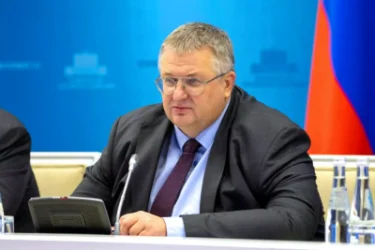
Georgia Denies Entry to American Expert Due to Links with March Unrest
The Georgian authorities have barred U.S. citizen Jameson Marshal Comins from entering the country due to his connections with the organizers of the unrest that took place in Tbilisi against the foreign agents bill on March 7-8. This was announced on Thursday by Grigol Liluashvili, the head of the State Security Service of Georgia.
“After his activities were revealed, his entry was prohibited. His activities were related to the training, instruction, and other actions of groups that caused unrest during the events of March 7-8,” Liluashvili stated.
He added that after the Americand was denied entry, the U.S. Embassy in Tbilisi had not contacted the special services. “They probably know very well why we did not let him in,” Liluashvili concluded.
The Georgian news agency Prime Time reported earlier on Thursday that a few days prior, Georgia had denied entry to American Eurasian expert Jameson Marshal Comins. The publication claimed that the American had been in Georgia in March, instructing the organizers of protests as well as members of the “Franklin Club,” whom Georgian Prime Minister Irakli Garibashvili had previously accused of radicalizing processes in the country.
The agency also alleged that during his visit to Tbilisi, the American expert met with Professor Giorgi Meladze of Ilya State University, who is the founder of the “Persistent Student Movement,” which also participated in the March protests.
Afterward, Comins left Georgia, but wished to return in April, only to be denied entry.
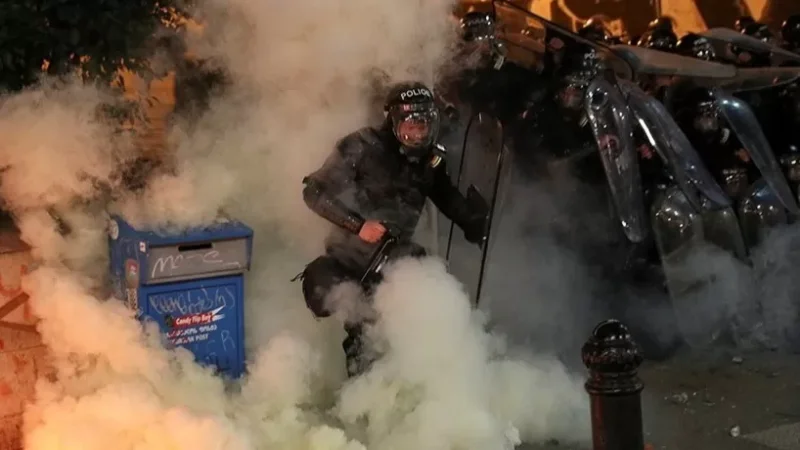
On March 7 and 8, thousands of protests took place in Tbilisi after the parliament approved in the first reading a Georgian version of the foreign agents bill. During the protests, which lasted late into the night, police used water cannons and tear gas.
On the morning of March 9, following the protests in the capital, the ruling “Georgian Dream-Democratic Georgia” party decided to withdraw the bill, and on March 10, lawmakers voted against the initiative. The American version of the bill, which had previously been registered in parliament as an alternative to the Georgian version, was also retracted before reaching the first reading.
Նմանատիպ հոդվածներ
Ադրբեջանցիները արգելափակել են Լաչինի միջանցքով արցախցիների մուտքն Արցախ․ պետնախարար
Trump Indicted: Former President to Appear in Court as Defendant for the First Time in U.S. History
Your Insolence Will Not Go Unanswered: Alen Simonian on Yesterday's Incident
Չավուշօղլուն՝ հայ-թուրքական սահմանի բացման մասին
Ավելին Politics բաժնից
Արաղչին` ռուսական առաջարկի մասին
Փաշինյանը հանդես է գալիս պատերին ծեփելու, ասֆալտին փռելու սպառնալիքներով. Իվետա Տոնոյան
Ալիևը նորից սպառնում է «Զանգեզուրի միջանցքով»