Mountainous Karabakh has turned into an open-air prison: Le Courrier
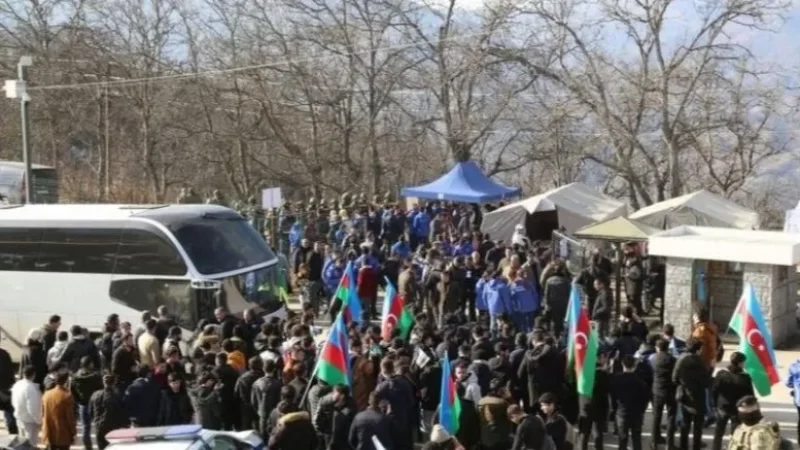
On February 27, the 52nd session of the Human Rights Council opened in Geneva. On this occasion, protests took place in the bustling Place des Nations, where people from various nationalities, including Iranians, Tibetans, Tamils, and Armenians, condemned the violations occurring in their respective countries.
But what did the Armenians do at these protests? The atrocities are revealed every day, yet Armenians pass by in silence, while the Armenian enclave of Mountainous Karabakh, known as Artsakh, has turned into an open-air prison, literally cut off from the world. This was reported by the Swiss newspaper Le Courrier.
“The only communication channel—the Lachin Corridor, which connects Mountainous Karabakh to Armenia—has been rendered inaccessible for all civilian and commercial traffic since December 12, 2022, due to a blockade organized by Azerbaijan. Approximately 120,000 residents are deprived of the most basic necessities, including gas, electricity, medicine, and food.
We can rightly speak of ethnic cleansing, and we must be wary of the gradual annexation of Armenia's sovereign territory. The agreements reached at the end of military operations between Mountainous Karabakh and Azerbaijan in November 2020 provided for the presence of Russian peacekeeping forces to ensure the security of Artsakh. However, these peacekeeping forces do not comply with those agreements.
What is the international community doing? It would be wise to recall the visit of European Commission President Ursula von der Leyen to Baku, where she advocated for a new agreement aimed at doubling Azerbaijani gas imports. She referred to Azerbaijan as a “reliable partner.” By adhering to this strategy of diversifying energy supplies, the EU hesitates to negotiate with a tyrannical regime.
Let us break the silence and remember that the Armenian Genocide was committed under the shadow of the First World War,” the article states.
Նմանատիպ հոդվածներ
Վլադիմիր Գասպարյանի առողջական վիճակը վատացել է. դատարան է կանչվել շտապօգնություն
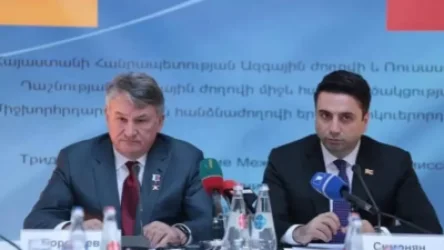
We Expect Effective Steps from Russia First to Prevent Humanitarian Disaster in Artsakh: Alen Simonian to Yuri Vorobyov
Azerbaijan Begins Spreading New Disinformation: Margaryan Writes to UN Secretary-General
Փաշինյանը հեռախոսազրույց է ունեցել Եվրոխորհրդի նախագահ Շառլ Միշելի հետ
Ավելին Politics բաժնից
Ադրբեջանի տարածքային ամբողջականությունը ճանաչել ենք․ Փաշինյան
ԿԳՄՍ նախարարը՝ մինչև 16 տարեկան երեխաների մուտքը սոցիալական ցանցեր սահմանափակելու մասին
Հունաստանի կոպիտ արձագանքը՝ Թուրքիայի ընդունած նոր օրենքին