Armenians and Vegetable Consumption: Muradyan Releases Figures
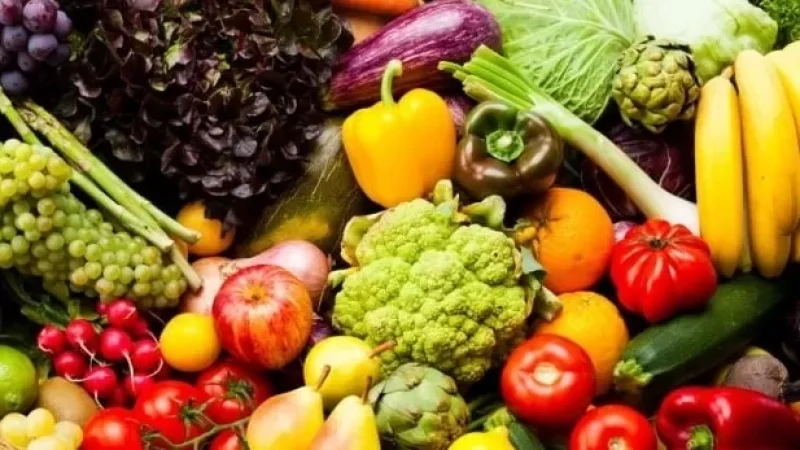
Yerevan State Medical University rector Armen Muradyan posted on his Facebook page: "9% of the population in Armenia does not consume fruits and vegetables at all during the day, while 41% consume 1-2 servings instead of the recommended 5. The normal and healthy functioning of the human body, as well as correct physical and mental development, is only possible under conditions of food sufficiency and safety, which largely depends on the correct selection and intake of food. It is known that both insufficient and excessive amounts of food can be harmful and lead to various diseases.
An unhealthy diet is considered one of the main risk factors for non-communicable diseases such as obesity, cardiovascular diseases, malignant neoplasms, and diabetes. In recent years, the rise in the production of processed foods, urbanization, and lifestyle changes have led to changes in people's dietary structure, expressed in increased consumption of high-calorie foods, trans fats, rapidly digestible carbohydrates, and foods high in salt. At the same time, the consumption of fruits and vegetables remains at an inadequate level. Research has indicated that the consumption of fruits and vegetables in Armenia is predominantly highly seasonal. Furthermore, 9% of the population does not consume any fruits or vegetables throughout the day, and 41% consume only 1-2 servings instead of the recommended 5.
Data from studies conducted in Armenia show that the majority of the population primarily uses vegetable oil when preparing food (65.6% of households), while 27.6% use butter or melted fat. However, in rural areas, the amount of butter and melted fat used was twice as high, and the consumption of lard, beef, or sheep fats was about 5 times higher. An unhealthy diet is linked to the problem of excess weight. According to the international study 'Health Behavior in School-Aged Children' conducted in Armenia, 13% of those aged 11-15 and 17 had excess weight, including about 2% being obese. Moreover, findings from the Demographic and Health Survey in Armenia show a rising trend in the prevalence of overweight among children under 5 years old. The results of the mentioned research also indicate widespread micronutrient deficiencies among pregnant women.
The caloric content of food should be balanced with the energy expenditure of the body. To avoid excess weight, the amount of fats should not exceed 30% of calories consumed, saturated fats should be less than 10%, and trans fats should be less than 1% of calories. A significant component of a healthy diet is also the reduction of rapidly digestible carbohydrates to 10% of total calories and the reduction of dietary salt to 5 grams per day (equivalent to 2 grams of sodium) and so on.
Governments play a crucial role in creating a healthy food environment, which will enable the population to maintain healthy eating behaviors. In this regard, it is important to ensure the simultaneous provision of national policies and investment programs, to boost consumer demand for healthy foods, to raise awareness about healthy diets, and to provide advisory assistance on dietary issues to the population through primary health care channels."
Նմանատիպ հոդվածներ




Ավելին Society բաժնից

Նոր ռազմավարությամբ կվերափոխվեն դատաիրավական և հակակոռուպցիոն ոլորտները

Բաքվից Հայաստան է ուղարկվել 490 տոննա ռուսական ցորեն

«Արծիվ գործընկեր-2026»․ Հայաստանում կմեկնարկի միջազգային խաղաղապահ զորավարժությունը