I Am Ready to Take Responsibility in the Future: Ruben Vardanian's Interview with RTVI
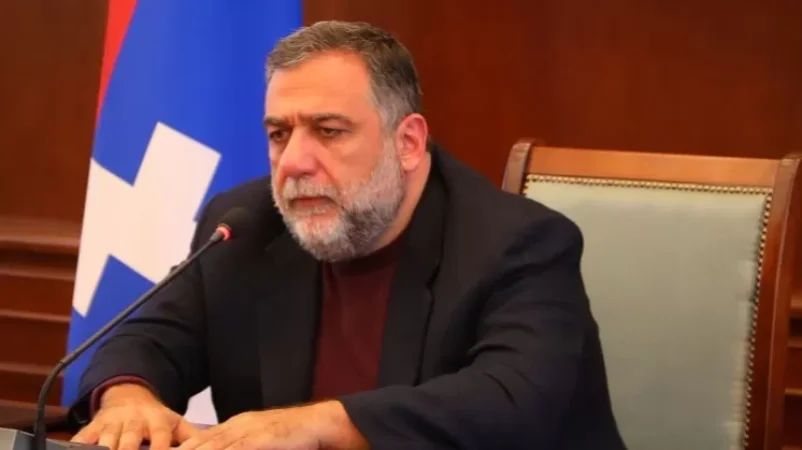
The former State Minister of Artsakh, Ruben Vardanian, has given an interview to RTVI. Below is the transcript of the interview:
- Mr. Vardanian, what were the reasons for your dismissal?
- This question is more directed at President Araik Harutyunyan than at me.
- What do the general red lines you talked about with the president represent?
- The president stated that anything undermining Artsakh's independence and autonomy is unacceptable for him and for the entire people. In this sense, our red lines coincide. This is important in that it became clearer in recent months that there are indeed things that are completely unacceptable for the entire Artsakh Armenian community, not just for Ruben Vardanian.
- After your dismissal, what role do you see yourself in now?
- I announced my relocation to Artsakh even before assuming a public office. We have established the territorial agency "We Are Our Mountains," which is aimed at uniting efforts around the implementation of numerous programs across various sectors. We also have the "Artsakh Development and Security Front" movement, which brings together thousands of people from youth to the older generation, all working on various projects. Therefore, the scope of activity is enormous.
- How do you see the future of the region in the coming years?
- This February marked the 35th anniversary of the struggle for independence in Nagorno-Karabakh. The course of those 35 years has been very diverse and complex. But the most important thing has not changed. On February 20, 1988, the people of Artsakh voted in favor of secession from the Azerbaijan SSR, and that stance has not changed. They are fighting for their independence, for the right to live according to their laws and traditions on their land. That journey is very long, it may continue for decades, but the main goal remains unchanged and will not change. As long as Artsakh has not become a recognized state independent of Azerbaijan, I believe the struggle will not cease.
- Do you find it possible to return to political activity, or is that already a past stage?
- When a state is under blockade, when there is no electricity, gas, basic medicines, and other necessities, it is no longer about politics; it is about saving the homeland. And these are not lofty words; you simply try every day with your actions to help people—children, the elderly. In this sense, I have not perceived my position as political. I viewed my work as a duty of a soldier and a citizen who helps his homeland. Thus, I do not have the feeling that I entered politics. I agreed to go where it was needed, where it was hard, and I tried to help as best I could. Therefore, I have a slightly different perception of my experience over the last 112 days. I consider it not political but public activity, as a person who took on responsibility and made decisions in an extremely difficult situation. I took on great responsibility. I am not afraid of it and am ready to take on responsibility in the future; that is the case. And I have become convinced that even in the most difficult of situations, the people see who is ready to take responsibility, who approaches it correctly, and who is not ready. I think the best assessment of my activity is the people's attitude towards me.
Նմանատիպ հոդվածներ
Spokesperson for Artsakh President Discusses Meeting Between Artsakh and Azerbaijan Representatives
Araik Harutyunyan Explains Why He Dismissed Ruben Vardanyan from Ministerial Position
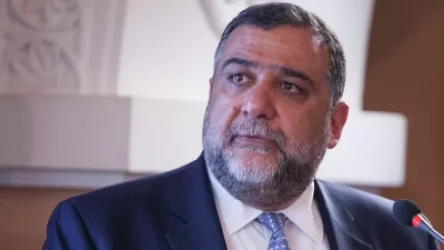
Ruben Vardanyan Removed from the Position of State Minister
No Checkpoints Planned in the Lachin Corridor, Lavrov States
Ավելին Politics բաժնից
Պուտինը կոտրել է լռությունը․ դժվարությունները ժամանակավոր են
Մելոնին դատապարտել է իր մասնակցությամբ ԱԲ-ով ստեղծված սկանդալային տեսանյութը .RaiNews
Պուտինի և Թրամփի մեջբերումները իմ սրտին մոտ եմ պահում. Լավրով