“There were soldiers who were recognizable, but my son was ashes”: Mother of the Fallen
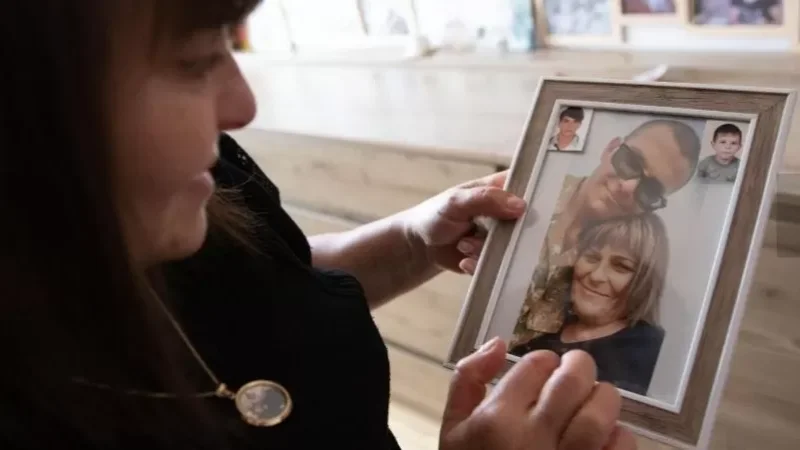
Henrik Eloyan's room was adorned with winter poppies with pink edges. His photos and belongings are scattered throughout the house, and his mother knows each story in detail with dates and specifics. On the wall of the parents' room hangs a large wooden frame made up of small portraits from Henrik's childhood to his time in service. In those pictures, Henrik's blue eyes are exactly the same as his mother's: sky-blue and transparent.
“I always prayed that my son would reach me, even if he came back incomplete,” says his mother, Hamest Vardanyan.
Henrik Eloyan began his service in the summer of 2019 in the 3rd battalion of the Jrarakan military unit. Before being drafted, he studied at DOSAAF to serve as a driver, but he was rejected due to visual impairments.
“In September, the year he started his service, he broke his shoulder. After the surgery, since he would have to serve with limitations, he was assigned as the platoon’s liaison because his battalion needed one. The soldiers tell that during the war, he dragged the communication device with him everywhere; when they said, ‘Leave that, let’s go, they will reach soon,’ he would reply, ‘This is our connection, how can I leave it?’” his mother recounts.
Henrik was in Jrarakan from the start of the war until October 7. On that day, he was injured by shrapnel from a shell in a location called “Chrikner” and transferred first to Stepanakert, then to Goris, and finally to Sisian hospital.
“They didn’t tell me that Henrik had been injured, but I sensed something was wrong, inquired about where he was, and immediately went to find him. It was the first time I saw Henrik in that condition; he was standing in the hospital yard, wounded in the leg and torso, dusty with torn clothes, without a bandage. I had brought new clothes, and he said, ‘You keep the new ones and this old one; it’s a memory,’” his mother recalls.
Henrik was transferred from Sisian to Yerevan and stayed at home for a few days before he was scheduled for surgery. According to his mother, a few days before the surgery, Henrik returned to Sisian to obtain necessary documents, but the next day, on October 26, still with an unhealed wound, he was taken to Shusha fortress, and the following day to the Red Market – Shekher intersection.
From October 22 to 27, intense battles were ongoing in the Red Market - Shekher area, with the enemy attacking Shekher village from various directions. The defense of the village was undertaken by the drop forces of the Drmboni battalion and local militia. On October 27, they retreated from the village, and the enemy captured Shekher.
Just above the village, at the Red Market - Shekher intersection, remained the army of the Hadrut division (35-40 men), which included soldiers from the 3rd battalion of Jrarakan. On October 28, the enemy conducted intensive shelling of the area, resulting in numerous casualties, including Henrik Eloyan.
Henrik had been standing next to a truck when it was hit. He was tossed onto a mound by the force of the blast and died.
From October 28, when communication with Henrik was lost, the family tried in various ways to get news from him. “On November 1, my brother-in-law came from Hadrut, and I asked him to bring at least a piece of news about Hendrik. He said he had inquired and that they had taken him to different places. Then he called Henrik's platoon commander, who had been injured earlier, and he said they didn't know if it was Henrik who had been near the truck that was exploded,” Hamest recounts.
The next day, his father and sister went to the Ministry of Defense. Lianna recalls that there was an employee who said her brother was an officer and that he was in those areas, promising to inform them if he learned anything. The following day, the employee called Henrik’s father to say that he had promised to call no matter what happened. “Your son has been killed,” Lianna heard while standing next to her father.
“Since that day, our search began. I have been to Stepanakert 2-3 times, visited all the morgues in Armenia, almost always alone; I didn't want to burden anyone, and during that time, I don’t even remember how many kids I saw, some of them recognizable, but my son was ashes. Now, all Henrik's forensic documents and pictures are kept in a safe, where no one can see them; the key is in my pocket,” Hamest says.
On December 31, 2020, two months after Henrik's death, his mother received a call, asking her to provide a DNA sample for the second time at Heratsi Hospital. “I was in a store when they called. I understood immediately that they had found my son; I screamed, ‘They have found my child!’ Everyone in the store thought he was alive,” Hamest Vardanyan remembers.
On January 4, 2021, Henrik Eloyan’s remains were handed over to the family from the Heratsi morgue, and the next day he was buried.
Mrs. Hamest approaches the bottle of cognac, limping; she broke her foot a few months ago, explaining that she fell while lost in thoughts of Henrik. She shows the bottle, recalling the promise to open it when Henrik came home. At her initiative, a book was published, presenting biographical details of the soldiers who fell on the same day as Henrik. “I have written in the book about those I knew. During the journey of searching for Henrik, I learned about many others, met their parents, and I wanted everyone to be included,” Hamest Vardanyan states.
Նմանատիպ հոդվածներ
Ավելին Society բաժնից
Քաղաքացին պետք է առնվազն 6 ամիս բնակված լինի Հայաստանում. Կոնջորյանը մանրամասնել է՝ ինչ է նախատեսվում
Փամբակ գետն ընկած քույրերի որոնումները վերսկսել են. ինչ է հայտնի
Սիփան Փաշինյանը՝ Տավուշի մարզպե՞տ․ «Հրապարակ»