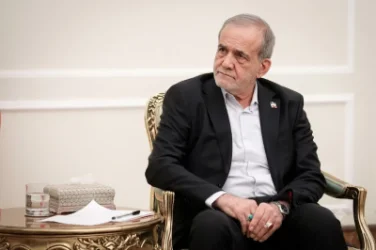
Nikol Pashinyan Meets with Croatian Prime Minister and Latvian President: Updates

Prime Minister Nikol Pashinyan continues to hold bilateral meetings with foreign partners during the Munich Security Conference. On February 18, Nikol Pashinyan first met with the President of Latvia, Egils Levits. The two discussed Armenian-Latvian relations, as well as various issues of mutual interest.
Prime Minister Pashinyan addressed the institutional reforms taking place in Armenia and emphasized the importance of the European Union's ongoing support in effectively implementing these reforms. He also mentioned that the development and strengthening of democracy hold strategic significance for the Armenian government.
Pashinyan and Levits exchanged views on the processes occurring in the South Caucasus region, particularly regarding the Nagorno-Karabakh issue. Both sides highlighted the importance of the European Union's civilian mission in Armenia, expressing hope that it would contribute to stability and peace.
Moreover, Prime Minister Nikol Pashinyan met with Croatian Prime Minister Andrej Plenković. Pashinyan noted that the recent visit of Croatia's Foreign Minister to Armenia marks a historic significance in bilateral relations. The Prime Minister expressed hope that today's meeting would give a new impulse for the further development and strengthening of Armenian-Croatian relations.
The Croatian Prime Minister mentioned that his government is also interested in expanding cooperation with Armenia in various fields. The two then discussed the existing situation in the South Caucasus and recent developments surrounding Nagorno-Karabakh.
Prime Minister Pashinyan stated that the illegal blockade of the Lachin corridor by Azerbaijan has created a humanitarian crisis in Nagorno-Karabakh, as Azerbaijan has also blocked electricity supply for over a month, leading to serious gas supply issues. According to Pashinyan, all these factors contribute not only to a humanitarian crisis but also to an environmental one.
Pashinyan officially invited his Croatian counterpart to visit Armenia, and the invitation was gladly accepted.
Նմանատիպ հոդվածներ
‘Fighting for you was foolish’: Azerbaijanis are outraged as the Varanda-Shushi highway will be toll
Discussed Topics at the Pashinyan-Aliyev-Blinken Meeting Revealed
Armenia and Azerbaijan Have a Historic Opportunity to End the Conflict: Blinken
Russia Cannot and Should Not Win the War Against Ukraine, Macron
Ավելին Politics բաժնից
Հայաստանը մինչև 2030-ը հույս ունի բացել սահմանները Թուրքիայի և Ադրբեջանի հետ. Կոստանյան
Ռուբիոն քննադատել է ԱՄՆ-ի կողմից Իրանի նկատմամբ կիրառվող արգելքը
Մանե Թանդիլյանն անդրադարձել է «Տելեկոմ Արմենիա»-«Ազերտելեկոմ» համագործակցությանը