Exploitation of Grief of Soldiers Who Died in Fire to Spread Misinformation is Unacceptable: Prosecutor's Office
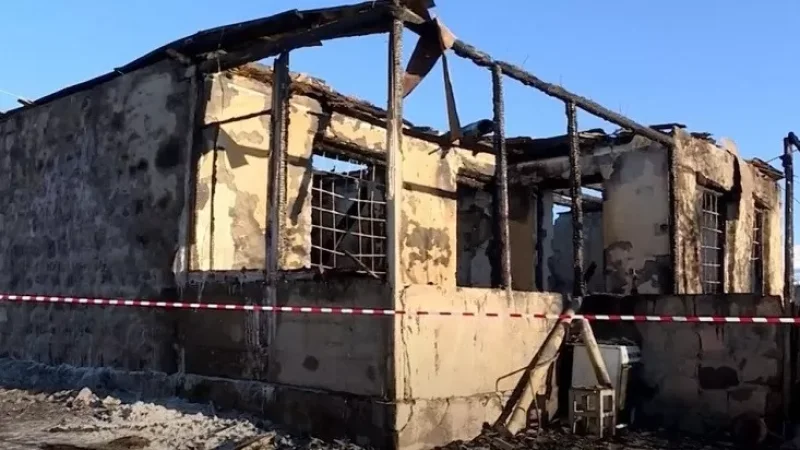
Exploitation of the feelings of the relatives of soldiers who died in a fire is unacceptable. This was stated in a statement by the Investigative Committee.
According to the announcement, it is noted that: “In recent days, the lawyer representing the parents of the soldiers who died in the fire in the barracks designated for the personnel of the engineering battalion of military unit N located in Azat village has made public statements that bear no relation to the factual data obtained within the framework of the initiated criminal proceedings. These statements aim to undermine the confidence of the victims in the ongoing investigation, creating an illusion of reality regarding unfounded, and in some cases absurd, assumptions and rumors spreading among the public.”
Specifically, this refers to claims that the fire was allegedly connected with an intentional commission of another crime, that soldiers had died before the fire, and assertions made based on a so-called “private investigation” regarding only the soldiers’ beds being burned in the barracks, and that the investigative actions at the crime scene were carried out “sloppily,” among other similar claims.
It is noteworthy that the lawyer makes such claims not only without any knowledge of the materials of the case but also based solely on amateur conclusions, even though numerous expert examinations appointed in the case have not yet been completed.
Meanwhile, the obtained factual data further reinforces the circumstances and hypothesis presented by the investigating authority, including preliminary data refuting the claim that the bodies of the soldiers who died in the fire were discovered on their beds.
Moreover, considering the priority of public interest in being informed regarding this specific case, it should be noted that Captain E.H., an officer of the engineering service of the military unit, has testified in the capacity of a suspect, essentially confirming the hypothesis presented by the investigating authority. This includes the use of sticking gasoline, bringing gasoline in a 5-liter container to the barracks, igniting the stove with it, the course of fire spread, attempts he made to extinguish it, and other actions taken.
Extensive evidential and procedural actions within the criminal process, as well as operational-investigative measures, continue with great intensity. Numerous expert examinations, including fire technical, explosion technical, material scientific, forensic, architectural-technical, and comprehensive commodity examinations have been appointed, the conclusions of which have not yet been received.
Currently, the process of recognizing the parents and relatives of the deceased soldiers as victims and conducting relevant investigative actions with them is underway. In this context, they have the full opportunity to present the information and data they possess regarding the incident.
The Investigative Committee assures that all such data with certainty and a factual basis will be subjected to verification within the framework of the proceedings.
Therefore, we consider it unacceptable to take advantage of the constraints and limitations of the investigative body regarding the publication of preliminary data in the current phase of the investigation, to spread misinformation without any basis, artificially inflaming public sentiments, and exploiting the grief and emotional state of the relatives of the deceased soldiers.
Նմանատիպ հոդվածներ
Young Woman Dies at 31 Weeks Pregnant, Says Sona Mnatsakanyan's Father: 'Can You Explain This Courage?'
Three People to Repair? Users React to Decision to Renovate Victory Bridge Sidewalks and First Lanes in Nine Months
Azerbaijan Again Blocks Gas Supply to Artsakh
Snow in Spitak, There Are Closed and Difficult Roads
Ավելին Society բաժնից

Եվրահանձնաժողովը Google-ին տուգանել է 890 միլիոն եվրոյով

Մելիքգյուղում եղբայրները գրտնակի հարվածով սպանել են իրենց մորը. ՆԳՆ

Կառավարությունը փոփոխում է մանկատան շրջանավարտների բնակարանային աջակցության ծրագիրը