Young Woman Dies at 31 Weeks Pregnant, Says Sona Mnatsakanyan's Father: 'Can You Explain This Courage?'
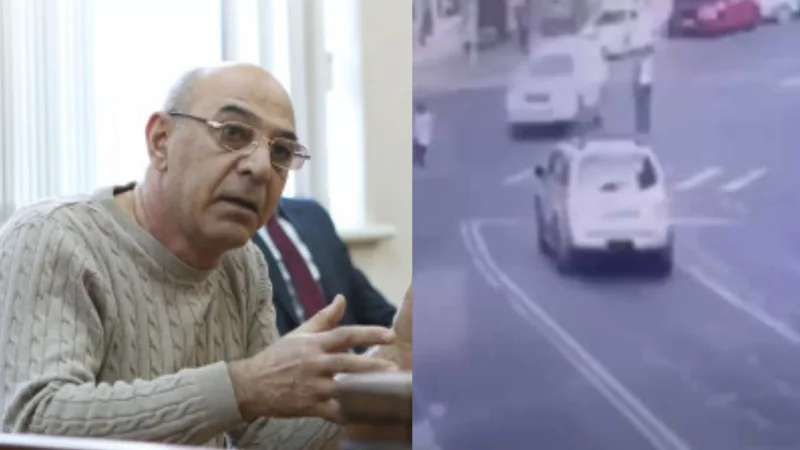
Aram Navasardyan’s brother, who is accused of hitting a pregnant woman with a government convoy vehicle, claims that he could not stop the car in the middle of the road but rather allowed the convoy to pass.
This statement was made during a court session today presided over by Judge Karen Farkhoyan regarding the case of Sona Mnatsakanyan, a pregnant woman who was struck by the convoy leading to her death.
According to a Factinfo reporter, the accused's brother, who is also a police officer, testified that he was working in the Armash village area on that day because opposition representatives, including MPs, were walking down from the village of Tigranashen to Armash, and there were concerns about possible disturbances from the citizens. He organized measures to prevent such disturbances.
He detailed that he was on duty when his brother called to inform him of the incident. The witness did not specify the exact time, indicating that he had provided details during the preliminary investigation but couldn’t confirm them now as the information on his phone was not retained at that time. After learning about the incident, he reported it to the head of the police department in Artashat and then proceeded to Yerevan by car.
“I told him I would come to the scene, but he said no, he was already at the scene, and ‘I’m going up to Nairi Medical Center, they are bringing the baby there,’” the witness recounted, mentioning that he offered his brother to call a doctor he knows, but the accused replied that he had already done so.
When asked by Aslanyan about his brother's actions after the incident, the witness replied, “I know that he took the car up where it was possible to stop, as he also gave way to the convoy behind him; he could not have stopped in the middle of the road. He stopped and moved only after everyone had left, and then the ambulance came and moved to the hospital behind the ambulance. Given the tense situation and knowing the times well, he made the decision to go down, change out of uniform, and go to the scene.”
Aslanyan noted the inconsistencies in the witness's testimonies against the evidence available in the case, stating that the video footage shows the vehicle stopping and then moving, while no ambulance had yet passed by at that moment, contrary to what the witness claimed.
Judge Karen Farkhoyan inquired whether any compensation had been offered to the victim's side, to which the accused's brother responded that they had approached several times, but the victim's side had refused to discuss anything.
“I was present at both the wake and the burial for a short time. After that, I approached, but the doctor, Mnatsakanyan, did not want to talk,” he stated, adding that the accused did not attend the ceremonies.
Sona Mnatsakanyan's father, as the legal successor of the victim, issued a statement: “I just don’t understand. I went home and I cannot forgive myself. Do you remember what the inspector said? The people were tense, they wanted to approach me, took no risks and thus acted 'courageously.' Is there no morality among these people? They come and go with such confidence; can someone explain to me this self-confidence, this act of 'courage?' A young woman has died at 31 weeks pregnant.”
For more details, visit the website.
Նմանատիպ հոդվածներ
Three People to Repair? Users React to Decision to Renovate Victory Bridge Sidewalks and First Lanes in Nine Months

Azerbaijan Again Blocks Gas Supply to Artsakh

Snow in Spitak, There Are Closed and Difficult Roads
Exploitation of Grief of Soldiers Who Died in Fire to Spread Misinformation is Unacceptable: Prosecutor's Office
Ավելին Society բաժնից

Այսօր երեկոյան երկնքում ուշագրավ երևույթ կլինի

ՊՆ-ն չի կարող բնակարանից վտարել արցախցի զինծառայողին. փաստաբան
Հայաստանը կարող է բախվել միգրացիոն լուրջ ճգնաժամի. ԱՊՀ-ից զգուշացնում են